
Soft, Fluffy Chapatis Every Time: Simple Dough Secrets You Need to Know

Chapatis are a daily staple in most Indian homes, yet getting them perfectly soft and fluffy every single time can feel like a challenge. Sometimes they turn dry, hard, or even stick to the rolling board, making the whole process frustrating. The truth is, the secret doesn’t lie in cooking, it starts much earlier, with how you prepare the dough. A few small changes can make a big difference.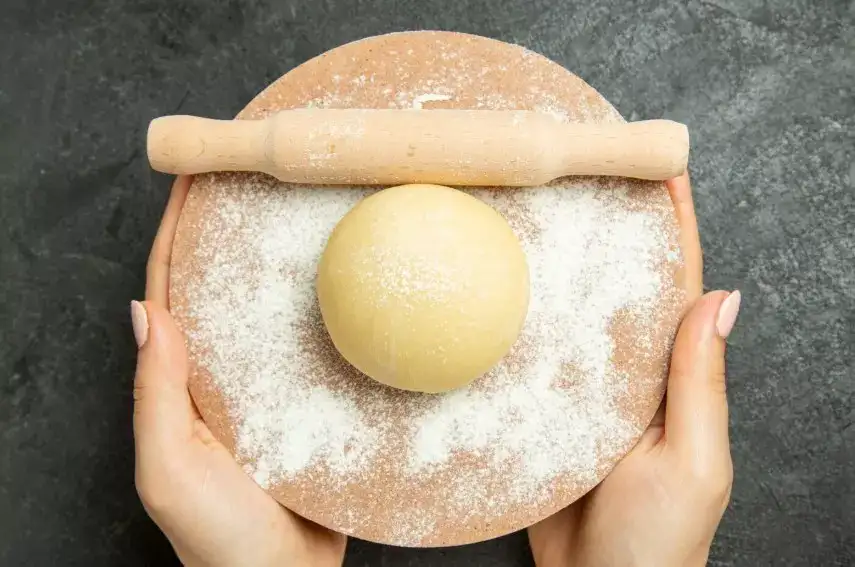
Kneading Is the Real Game-Changer
If your chapatis aren’t soft, the kneading process is usually where things go wrong. A good dough should feel smooth, soft, and slightly elastic, not stiff or crumbly. Take your time while kneading and press the dough well using your palms. The more evenly you knead, the better the texture of your rotis will be. Rushing this step often leads to tough chapatis.
Perfect the Water-to-Flour Balance
Getting the right consistency is all about balance. A general guideline is a 2:1 ratio of flour to water. For instance, 2 cups of wheat flour will need just under 1 cup of water. However, flour quality can vary. If it’s coarse, it will absorb more water, so add it gradually instead of all at once. The goal is a soft dough that doesn’t stick too much but isn’t dry either.
Use Lukewarm Water for Better Texture
One simple trick that many people overlook is the temperature of the water. Using lukewarm water instead of regular water helps the flour bind better. It also improves the dough’s softness, making your chapatis stay tender for a longer time, even after they cool down.
Try Milk for Extra Softness and Taste
If you want your chapatis to be extra soft and slightly richer in taste, try kneading the dough with milk instead of water. Milk gives the rotis a softer texture and a subtle creamy flavour. It also helps them retain moisture, so they don’t dry out quickly. This is especially useful if you’re packing them for lunch.
Resting the Dough Is a Must
One of the most common mistakes is skipping the resting time. After kneading, cover the dough with a cloth or lid and let it rest for 15-20 minutes. This allows the gluten to relax and the dough to become more pliable. As a result, rolling becomes easier, and the chapatis turn out softer and fluffier when cooked.
A Few Extra Tips for Perfect Chapatis
Always roll your chapatis evenly, not too thin, not too thick. Cook them on a properly heated tawa so they puff up nicely. Also, avoid overcooking, as that can make them hard. Once done, you can lightly apply ghee to keep them soft for longer.
Perfect chapatis aren’t about complicated techniques, they’re all about getting the basics right. With the right dough consistency, a little patience, and these easy tips, you can enjoy soft, fluffy rotis every single day without the struggle.
Kneading Is the Real Game-Changer
If your chapatis aren’t soft, the kneading process is usually where things go wrong. A good dough should feel smooth, soft, and slightly elastic, not stiff or crumbly. Take your time while kneading and press the dough well using your palms. The more evenly you knead, the better the texture of your rotis will be. Rushing this step often leads to tough chapatis. Perfect the Water-to-Flour Balance
Getting the right consistency is all about balance. A general guideline is a 2:1 ratio of flour to water. For instance, 2 cups of wheat flour will need just under 1 cup of water. However, flour quality can vary. If it’s coarse, it will absorb more water, so add it gradually instead of all at once. The goal is a soft dough that doesn’t stick too much but isn’t dry either.Use Lukewarm Water for Better Texture
One simple trick that many people overlook is the temperature of the water. Using lukewarm water instead of regular water helps the flour bind better. It also improves the dough’s softness, making your chapatis stay tender for a longer time, even after they cool down. Try Milk for Extra Softness and Taste
If you want your chapatis to be extra soft and slightly richer in taste, try kneading the dough with milk instead of water. Milk gives the rotis a softer texture and a subtle creamy flavour. It also helps them retain moisture, so they don’t dry out quickly. This is especially useful if you’re packing them for lunch.Resting the Dough Is a Must
One of the most common mistakes is skipping the resting time. After kneading, cover the dough with a cloth or lid and let it rest for 15-20 minutes. This allows the gluten to relax and the dough to become more pliable. As a result, rolling becomes easier, and the chapatis turn out softer and fluffier when cooked. A Few Extra Tips for Perfect Chapatis
Always roll your chapatis evenly, not too thin, not too thick. Cook them on a properly heated tawa so they puff up nicely. Also, avoid overcooking, as that can make them hard. Once done, you can lightly apply ghee to keep them soft for longer. Perfect chapatis aren’t about complicated techniques, they’re all about getting the basics right. With the right dough consistency, a little patience, and these easy tips, you can enjoy soft, fluffy rotis every single day without the struggle.
Next Story