
The Real Meaning Behind Vishnu's Avatars That Most People Miss


There are stories in Hindu tradition that feel larger than mythology, stories that seem to carry a pattern so precise and so layered that they begin to feel less like imagination and more like encoded understanding, and among the most powerful of these is the idea of avatars, the divine descents of Lord Vishnu, who is believed to appear again and again whenever balance collapses and chaos begins to rise. What makes this idea so compelling is not just that Vishnu takes different forms, but that every form seems to carry a deeper meaning, a purpose that goes far beyond defeating evil and restoring order. Because when you look closely, the avatars do not just tell stories. They reveal a pattern. And that pattern is not only cosmic. It is psychological.
The Idea of an Avatar Was Never Just About Appearance
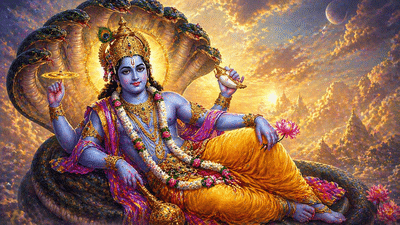
In Hindu philosophy, an avatar is not simply a transformation or a disguise. It is a “descent,” a deliberate manifestation of the divine into the human or natural world, created for a specific purpose at a specific time. Avatar literally means “to descend,” and in the case of Vishnu, these descents happen whenever dharma declines and imbalance begins to dominate existence.
But this is where most people stop. They see the stories, the battles, the victories. What they miss is the structure. Because the avatars are not random.
The Hidden Pattern Most People Never Notice
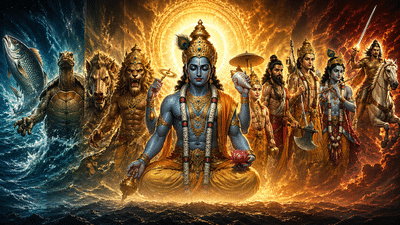
The sequence of Vishnu’s primary incarnations, known as the Dashavatara, moves from aquatic life to fully developed human consciousness, beginning with a fish and ending with a future warrior yet to appear. From Matsya the fish to Kurma the tortoise, from Varaha the boar to Narasimha the half-human form, and eventually to Rama, Krishna, and beyond, the progression appears to move from instinct to awareness, from survival to strategy, from raw force to refined intelligence.
Some interpretations even suggest that this sequence mirrors the evolution of life and consciousness itself, moving from primitive existence toward higher awareness, though such interpretations remain philosophical rather than universally accepted. And this is where the meaning becomes deeper. Because if the avatars are a progression, then they are not just about the world. They are about us.
Each Avatar Reflects a State of the Human Mind
What if the avatars are not just external events, but internal stages?
Matsya represents survival, the instinct to protect life and knowledge when everything feels like it is collapsing. Kurma reflects stability, the ability to hold steady under pressure when the world is shifting. Varaha represents the force that pulls us out of darkness when we feel lost. Narasimha is something else entirely. It is raw, uncontrollable emotion, the kind of rage that emerges not from ego, but from the need to protect what is sacred. It is the moment when restraint breaks because injustice becomes unbearable.
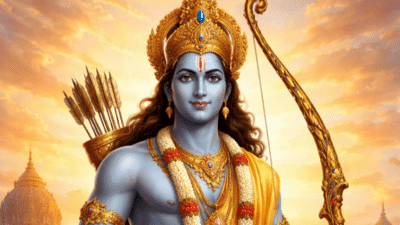
Then comes Vamana, small in form but immense in intelligence, showing that power does not always come from size or strength, but from awareness. Parashurama represents anger channelled into action, the destructive potential of imbalance. Rama represents discipline, order, and the ideal form of duty. Krishna moves beyond all of this into complexity, strategy, and the understanding that life is not always black and white. And then there is Buddha, often included as an avatar, representing stillness, compassion, and awakening, a shift away from external conflict toward internal clarity. Finally, Kalki stands not as a past figure, but as a future possibility, a force of reset, a reminder that cycles do not end, they transform.
The Most Powerful Truth Hidden in Plain Sight
If you step back and look at this progression, a striking pattern begins to emerge.
The earlier avatars deal with survival. The middle avatars deal with power and control. The later avatars deal with awareness, morality, and complexity. This is not just a story of gods descending to earth. It is a story of consciousness evolving. It suggests that human beings are not fixed, but constantly moving through different states, sometimes acting from instinct, sometimes from anger, sometimes from discipline, and sometimes from wisdom. And just like the avatars, each state has its role. Each state has its moment.
Why Vishnu Never Appears the Same Way Twice
One of the most fascinating aspects of Vishnu’s avatars is that no two forms are identical, not just physically, but philosophically. Rama follows dharma with absolute discipline, even when it causes personal suffering. Krishna bends rules when necessary, revealing that dharma is not always rigid, but sometimes situational. This is not inconsistency. It is evolution. It suggests that truth itself is not always fixed, but must adapt based on context, awareness, and necessity. And that is perhaps one of the most difficult ideas to accept. Because it means there is no single way to live correctly.
The Real Meaning Most People Miss
The avatars of Vishnu are often seen as divine interventions that restore balance in the world, protecting the good and removing the destructive forces that threaten order. But the deeper interpretation suggests something far more personal. They are reflections of the human journey.
They show how we begin with instinct, struggle with power, confront our own limitations, and eventually move toward awareness and understanding. They show that destruction and preservation are not opposites, but part of the same process. And perhaps most importantly, they suggest that divinity does not remain distant. It evolves, adapts, and appears in forms that match the needs of the moment.
Conclusion: Not Just Myth, But a Mirror
So what is the real meaning behind Vishnu’s avatars that most people miss?
It is that they are not just stories about the past. They are a mirror of the present. They show that within every human being exists the same journey, the same struggle between chaos and order, instinct and awareness, power and wisdom. And just like Vishnu, we do not remain in one state forever. We move. We change. We evolve. Because in the end, the avatars are not just divine descents. They are a reminder that transformation is the true nature of existence.
Unlock insightful tips and inspiration on personal growth, productivity, and well-being. Stay motivated and updated with the latest at My Life XP.
The Idea of an Avatar Was Never Just About Appearance
In Hindu philosophy, an avatar is not simply a transformation or a disguise. It is a “descent,” a deliberate manifestation of the divine into the human or natural world, created for a specific purpose at a specific time. Avatar literally means “to descend,” and in the case of Vishnu, these descents happen whenever dharma declines and imbalance begins to dominate existence.
But this is where most people stop. They see the stories, the battles, the victories. What they miss is the structure. Because the avatars are not random.
The Hidden Pattern Most People Never Notice
The sequence of Vishnu’s primary incarnations, known as the Dashavatara, moves from aquatic life to fully developed human consciousness, beginning with a fish and ending with a future warrior yet to appear. From Matsya the fish to Kurma the tortoise, from Varaha the boar to Narasimha the half-human form, and eventually to Rama, Krishna, and beyond, the progression appears to move from instinct to awareness, from survival to strategy, from raw force to refined intelligence.
Some interpretations even suggest that this sequence mirrors the evolution of life and consciousness itself, moving from primitive existence toward higher awareness, though such interpretations remain philosophical rather than universally accepted. And this is where the meaning becomes deeper. Because if the avatars are a progression, then they are not just about the world. They are about us.
Each Avatar Reflects a State of the Human Mind
What if the avatars are not just external events, but internal stages?
Matsya represents survival, the instinct to protect life and knowledge when everything feels like it is collapsing. Kurma reflects stability, the ability to hold steady under pressure when the world is shifting. Varaha represents the force that pulls us out of darkness when we feel lost. Narasimha is something else entirely. It is raw, uncontrollable emotion, the kind of rage that emerges not from ego, but from the need to protect what is sacred. It is the moment when restraint breaks because injustice becomes unbearable.
Then comes Vamana, small in form but immense in intelligence, showing that power does not always come from size or strength, but from awareness. Parashurama represents anger channelled into action, the destructive potential of imbalance. Rama represents discipline, order, and the ideal form of duty. Krishna moves beyond all of this into complexity, strategy, and the understanding that life is not always black and white. And then there is Buddha, often included as an avatar, representing stillness, compassion, and awakening, a shift away from external conflict toward internal clarity. Finally, Kalki stands not as a past figure, but as a future possibility, a force of reset, a reminder that cycles do not end, they transform.
The Most Powerful Truth Hidden in Plain Sight
If you step back and look at this progression, a striking pattern begins to emerge.
The earlier avatars deal with survival. The middle avatars deal with power and control. The later avatars deal with awareness, morality, and complexity. This is not just a story of gods descending to earth. It is a story of consciousness evolving. It suggests that human beings are not fixed, but constantly moving through different states, sometimes acting from instinct, sometimes from anger, sometimes from discipline, and sometimes from wisdom. And just like the avatars, each state has its role. Each state has its moment.
Why Vishnu Never Appears the Same Way Twice
One of the most fascinating aspects of Vishnu’s avatars is that no two forms are identical, not just physically, but philosophically. Rama follows dharma with absolute discipline, even when it causes personal suffering. Krishna bends rules when necessary, revealing that dharma is not always rigid, but sometimes situational. This is not inconsistency. It is evolution. It suggests that truth itself is not always fixed, but must adapt based on context, awareness, and necessity. And that is perhaps one of the most difficult ideas to accept. Because it means there is no single way to live correctly.
The Real Meaning Most People Miss
The avatars of Vishnu are often seen as divine interventions that restore balance in the world, protecting the good and removing the destructive forces that threaten order. But the deeper interpretation suggests something far more personal. They are reflections of the human journey.
They show how we begin with instinct, struggle with power, confront our own limitations, and eventually move toward awareness and understanding. They show that destruction and preservation are not opposites, but part of the same process. And perhaps most importantly, they suggest that divinity does not remain distant. It evolves, adapts, and appears in forms that match the needs of the moment.
Conclusion: Not Just Myth, But a Mirror
So what is the real meaning behind Vishnu’s avatars that most people miss?
It is that they are not just stories about the past. They are a mirror of the present. They show that within every human being exists the same journey, the same struggle between chaos and order, instinct and awareness, power and wisdom. And just like Vishnu, we do not remain in one state forever. We move. We change. We evolve. Because in the end, the avatars are not just divine descents. They are a reminder that transformation is the true nature of existence.
Unlock insightful tips and inspiration on personal growth, productivity, and well-being. Stay motivated and updated with the latest at My Life XP.
Next Story