
Why People Prefer Texting Over Talking: Understanding the Shift from Calls to Messages

Have you ever sat in a room full of people and realized that the only sound was the rhythmic tapping of thumbs on glass? It is a strange phenomenon when you stop to think about it. We are more connected than any generation in history, yet we are increasingly terrified of our phones actually ringing. The shift from talking to texting wasn't just a change in technology; it was a fundamental shift in how we manage our social energy and our personal boundaries.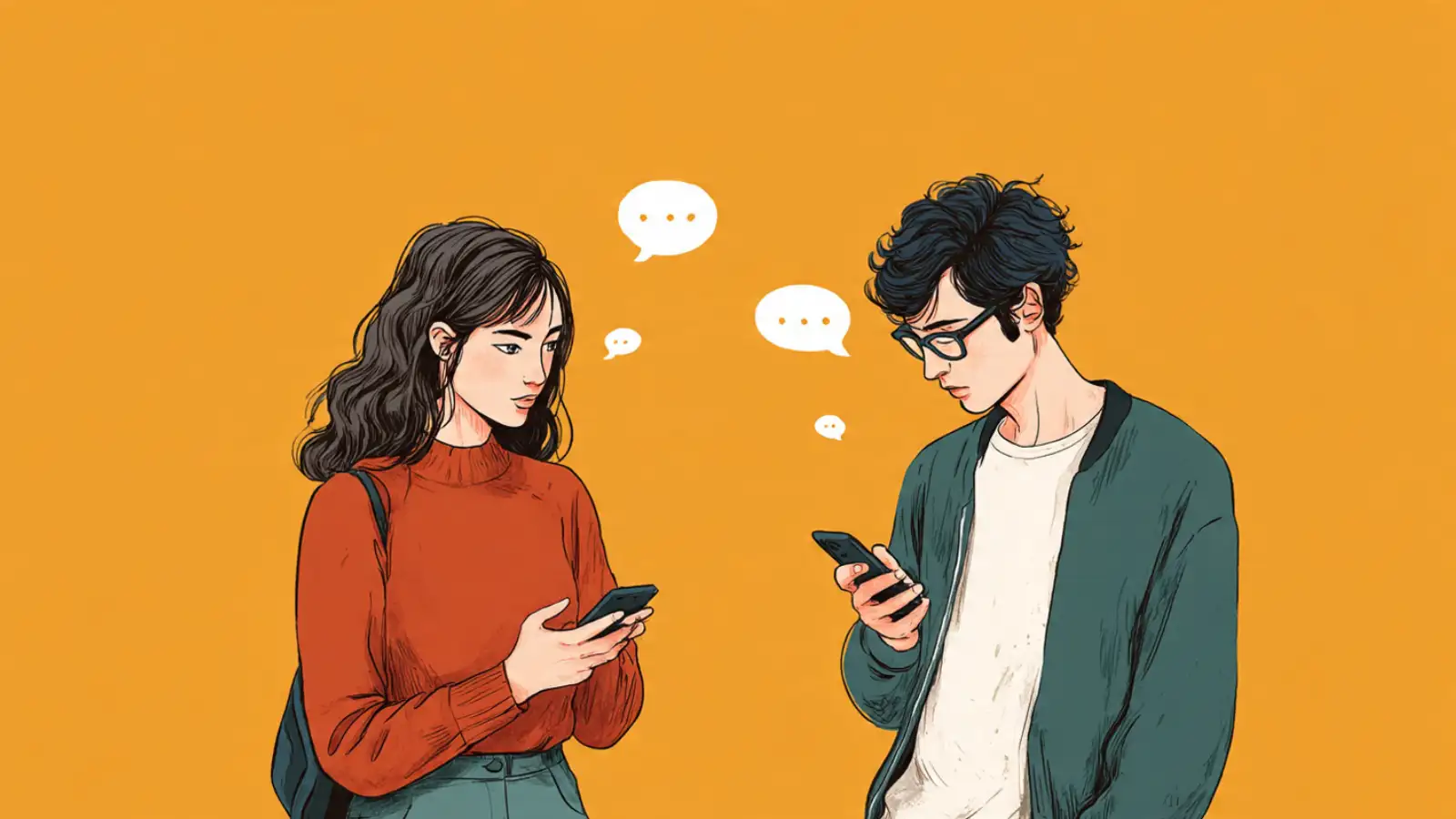
For many of us, the preference for texting isn't about being antisocial. In fact, it is often the opposite. We want to stay connected, but we want to do it on terms that don't leave us feeling drained. Texting offers a buffer that a live conversation simply cannot provide. It allows us to be present in our digital lives without being completely consumed by them.
This control over our self-presentation is incredibly alluring. In a fast paced world, the "pause" provided by a text message is a luxury. It gives us time to gather our thoughts and respond with intention. This reduces the anxiety of being put on the spot, which is a feeling that often comes with a ringing phone or a face to face encounter.
If you tried to have a phone call in those same moments, it would be disruptive and awkward. Texting allows us to maintain a continuous thread of conversation throughout the day without requiring us to stop everything else we are doing. It is the ultimate tool for a society that values efficiency and constant movement.
By stripping away the non-verbal demands of communication, texting makes staying in touch feel less like a chore. It allows us to reach out even when we don't have the energy for a full blown interaction. For someone who feels as jumpy as a squirrel in a park, the silence of a text thread is a much more comfortable place to exist than the loud demands of a vibrating phone.
For many of us, the preference for texting isn't about being antisocial. In fact, it is often the opposite. We want to stay connected, but we want to do it on terms that don't leave us feeling drained. Texting offers a buffer that a live conversation simply cannot provide. It allows us to be present in our digital lives without being completely consumed by them.
The Power of the Pause
One of the biggest reasons we lean toward texting is the ability to edit. When you are speaking in real life, your thoughts are delivered raw and unfiltered. You might stumble over words or say something you immediately regret. Texting acts like a safety net. You can draft a message, look at it, realize you sound a bit like a grumpy bear waking up from hibernation, and rewrite it to be kinder.This control over our self-presentation is incredibly alluring. In a fast paced world, the "pause" provided by a text message is a luxury. It gives us time to gather our thoughts and respond with intention. This reduces the anxiety of being put on the spot, which is a feeling that often comes with a ringing phone or a face to face encounter.
Multi Tasking and the Modern Schedule
Life has become a complex juggling act. We are constantly moving between work, chores, and personal hobbies. Texting fits into the gaps of a busy life in a way that a phone call never could. You can send a quick update while waiting for your coffee or check in with a friend while standing in line at the grocery store.If you tried to have a phone call in those same moments, it would be disruptive and awkward. Texting allows us to maintain a continuous thread of conversation throughout the day without requiring us to stop everything else we are doing. It is the ultimate tool for a society that values efficiency and constant movement.
The Low Pressure Environment
Speaking on the phone or in person requires a high level of emotional synchronization. You have to match the other person's tone, pick up on their verbal cues, and respond in real time. It is a high stakes performance. Texting lowers the bar for entry. You don't have to worry about your voice sounding tired or your face looking exhausted.By stripping away the non-verbal demands of communication, texting makes staying in touch feel less like a chore. It allows us to reach out even when we don't have the energy for a full blown interaction. For someone who feels as jumpy as a squirrel in a park, the silence of a text thread is a much more comfortable place to exist than the loud demands of a vibrating phone.
Conclusion
The preference for texting over talking isn't a sign that we are losing our humanity. It is simply an adaptation to a world that feels increasingly loud and demanding. By choosing to text, we are protecting our time, our energy, and our mental peace. We are finding ways to keep the fire of friendship burning without letting it burn us out.Next Story