
What Really Happens When You Overeat Pumpkin Seeds: Bloating, Gas and More

Pumpkin seeds are crunchy, tasty and packed with nutrients like fiber, protein, magnesium, zinc and healthy fats that make them a popular healthy snack. However, these nutrient-rich pumpkin seeds can cause unpleasant side effects when eaten in large amounts at once. Understanding what happens when you overeating pumpkin seeds can help you enjoy their benefits without discomfort.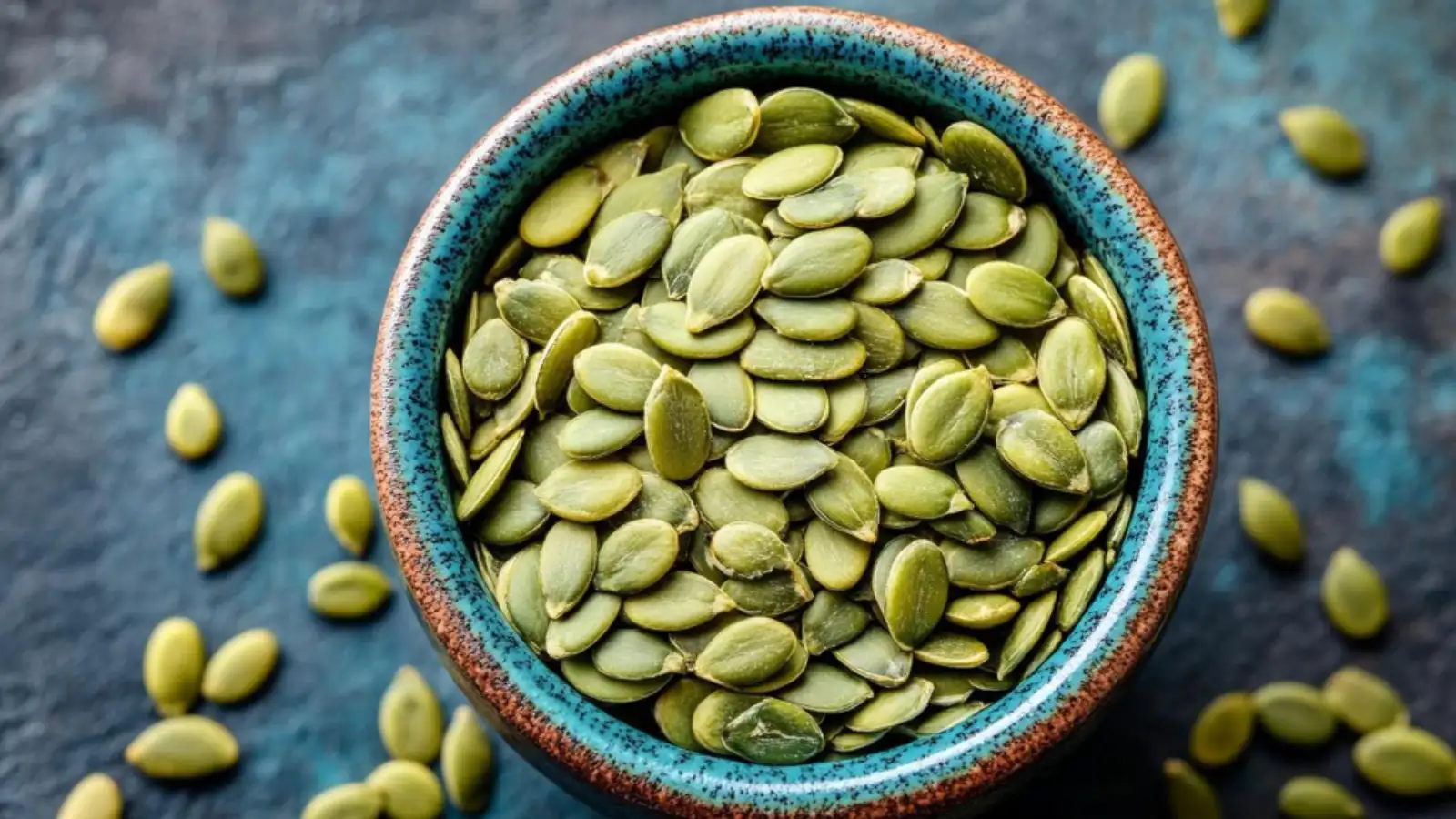
Experts note that moderation is key because overeating them can lead to digestive issues, calorie overload and even nutrient imbalances.
Fiber feeds gut bacteria and increases fermentation, which produces gas as a by-product, leading to discomfort. These effects are particularly common if your system is not used to a high-fiber diet or if you eat pumpkin seeds with their tough shells intact, which can be harder to break down.
Without enough water, the insoluble fiber may harden stools and lead to constipation. On the flip side, too much soluble fiber can move material through your gut too quickly, causing loose stools or diarrhea in some people.
Ayurveda practitioners also point out that pumpkin seeds are “warm in nature,” which may increase acidity or indigestion, especially in people with sensitive stomachs.
This hidden calorie intake can contribute to weight gain over time, especially if frequent snacking pushes you past your daily energy needs.
Keeping salt intake in check and choosing unsalted pumpkin seeds can help avoid these effects while still enjoying the snack’s nutrients.
This underscores the idea that more of a good thing is not always better, and portion control helps keep nutrient balance in check.
Drinking enough water when eating high-fiber foods like pumpkin seeds also supports smoother digestion and helps prevent discomfort.
If your stomach is particularly sensitive, choosing unshelled seeds, lightly roasting them or soaking them beforehand may make them easier to digest.
Experts note that moderation is key because overeating them can lead to digestive issues, calorie overload and even nutrient imbalances.
Bloating, Gas and Digestive Discomfort
Eating too many pumpkin seeds often overloads your digestive system with fiber, which is great in small amounts but can be troublesome in excess. Too much fiber can cause gas, bloating and a feeling of fullness or pressure in your abdomen.Fiber feeds gut bacteria and increases fermentation, which produces gas as a by-product, leading to discomfort. These effects are particularly common if your system is not used to a high-fiber diet or if you eat pumpkin seeds with their tough shells intact, which can be harder to break down.
Constipation or Loose Stools From Too Much Fiber
Pumpkin seeds contain both soluble and insoluble fiber, which affect your bowel movements in different ways. When you eat them in moderation, both types of fiber can help keep digestion regular. But overeating pumpkin seeds can disrupt this balance.Without enough water, the insoluble fiber may harden stools and lead to constipation. On the flip side, too much soluble fiber can move material through your gut too quickly, causing loose stools or diarrhea in some people.
Stomach Cramps and Heaviness
Pumpkin seeds have a hard outer layer and contain fats that take longer to break down in the digestive tract. Eating a large quantity can leave your stomach feeling heavy, cramping or uncomfortable.Ayurveda practitioners also point out that pumpkin seeds are “warm in nature,” which may increase acidity or indigestion, especially in people with sensitive stomachs.
Calories Add Up Quickly
While pumpkin seeds are healthy, they are also calorie-dense. A full cup of roasted pumpkin seeds contains hundreds of calories, which can add up fast if you overeat without realizing it.This hidden calorie intake can contribute to weight gain over time, especially if frequent snacking pushes you past your daily energy needs.
Salted Seeds and High Sodium Intake
Many packaged pumpkin seeds are heavily salted. High sodium intake from salted seeds can lead to water retention, puffiness and increased thirst. Too much sodium may also temporarily elevate blood pressure for some people.Keeping salt intake in check and choosing unsalted pumpkin seeds can help avoid these effects while still enjoying the snack’s nutrients.
Mineral Imbalances From Overdoing It
Pumpkin seeds are rich in minerals like zinc and magnesium, which are important for health in the right amounts. However, chronic overconsumption of zinc may interfere with the absorption of other minerals like copper, potentially leading to a deficiency over time.This underscores the idea that more of a good thing is not always better, and portion control helps keep nutrient balance in check.
How Much Pumpkin Seeds Are Safe Daily
Nutrition experts suggest sticking to about a quarter cup (around 30 grams) of pumpkin seeds per day. This portion provides a healthy mix of protein, fiber and essential minerals without overwhelming your digestive system.Drinking enough water when eating high-fiber foods like pumpkin seeds also supports smoother digestion and helps prevent discomfort.
If your stomach is particularly sensitive, choosing unshelled seeds, lightly roasting them or soaking them beforehand may make them easier to digest.
Enjoy Pumpkin Seeds the Right Way
Pumpkin seeds can be a great addition to a balanced diet when eaten in sensible amounts. They offer healthy fats, fiber and minerals that support heart health and digestion. Just be mindful of portion size, hydration and preparation to avoid the side effects linked with eating too many pumpkin seeds at once.Next Story