
The Truth About The Three-Second Rule: Food Safety Myth Busted

The so-called " three-second rule " — the idea that food dropped on the floor is safe to eat if picked up within three seconds — is a widespread but incorrect belief. In reality, harmful bacteria can transfer to food immediately upon contact with the floor, no matter how quickly you retrieve it.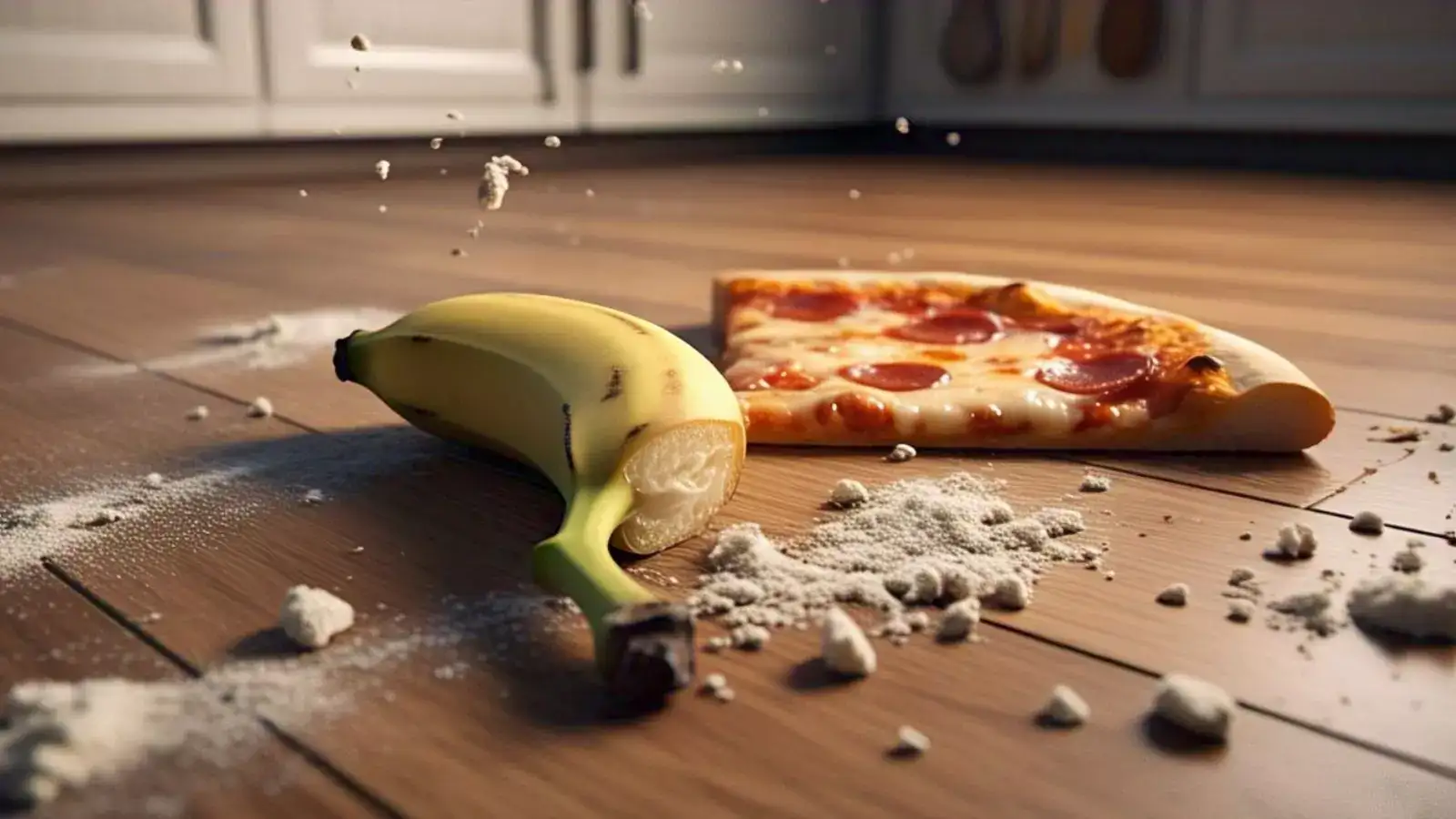
Why Is the Three-Second Rule So Popular?
This myth likely persists because people want to avoid wasting food. It can be hard to throw away food that appears clean after a quick pick-up. Over time, this idea has become a part of everyday culture, despite no scientific evidence supporting it.
What Does Science Say About Bacteria Transfer ?
Research shows that bacteria can jump onto food instantly once it touches a surface. Factors like the cleanliness of the floor and the moisture content of the food influence how much bacteria is transferred. Moist foods such as fruit or pasta absorb bacteria more readily than dry foods. Harmful bacteria like E. coli and Salmonella are often found on floors and can cause serious health problems if ingested.
The Impact of Floor Cleanliness
Even if a floor looks spotless, it can still harbour bacteria. Therefore, grabbing food off the floor quickly does not guarantee safety. The best way to prevent illness is simply to avoid eating food that has touched the floor.
The Real Risk to Health
Many are unaware that harmful pathogens can infect food the instant it hits an unclean surface. This risk is particularly dangerous for children, the elderly, and those with weakened immune systems. While the three-second rule might sound harmless, it can result in foodborne illnesses if caution is ignored.
Why the Three-Second Rule Is a Myth
In summary, the three-second rule is a myth with no scientific basis. Bacteria can transfer to dropped food instantly, regardless of how quickly it’s picked up. To stay safe and avoid contamination, it’s best to discard any food that falls on the floor.
Why Is the Three-Second Rule So Popular?
This myth likely persists because people want to avoid wasting food. It can be hard to throw away food that appears clean after a quick pick-up. Over time, this idea has become a part of everyday culture, despite no scientific evidence supporting it.
What Does Science Say About Bacteria Transfer ?
Research shows that bacteria can jump onto food instantly once it touches a surface. Factors like the cleanliness of the floor and the moisture content of the food influence how much bacteria is transferred. Moist foods such as fruit or pasta absorb bacteria more readily than dry foods. Harmful bacteria like E. coli and Salmonella are often found on floors and can cause serious health problems if ingested.
You may also like
- Airport Authority of India signs MoU with Bharat taxi for enhanced last-mile connectivity at select airports
- No F-22s at the Super Bowl: Why Raptors were dropped from the flyover?
- Haryana DGP expresses grief over Surajkund fair swing collapse; on-duty inspector dies while rescuing victims
- Indore News: Sudden Braking Sends Man Falling From Moving City Bus
- Afghanistan captain Rashid Khan harbours dream of playing in Kabul
The Impact of Floor Cleanliness
Even if a floor looks spotless, it can still harbour bacteria. Therefore, grabbing food off the floor quickly does not guarantee safety. The best way to prevent illness is simply to avoid eating food that has touched the floor.
The Real Risk to Health
Many are unaware that harmful pathogens can infect food the instant it hits an unclean surface. This risk is particularly dangerous for children, the elderly, and those with weakened immune systems. While the three-second rule might sound harmless, it can result in foodborne illnesses if caution is ignored.
Why the Three-Second Rule Is a Myth
In summary, the three-second rule is a myth with no scientific basis. Bacteria can transfer to dropped food instantly, regardless of how quickly it’s picked up. To stay safe and avoid contamination, it’s best to discard any food that falls on the floor.






More from our partners


Loving Newspoint? Download the app now
