
The Ultimate Connoisseur’s Guide: Exploring the Wonderful World of Coffee and Its Rich Heritage

For millions of people across the globe, the day does not truly begin until the aromatic steam of a fresh brew hits the senses. Coffee is far more than a simple stimulant; it is a complex, multi-layered experience that bridges cultures and histories. Whether it is a quick espresso shared at a standing bar in Italy or a meticulous pour-over in a quiet London café, the ritual of coffee provides a moment of mindfulness in our frantic modern lives. Understanding the journey of the humble bean—from a cherry on a tree to the dark liquid in your mug—reveals a world of craftsmanship, chemistry, and passion.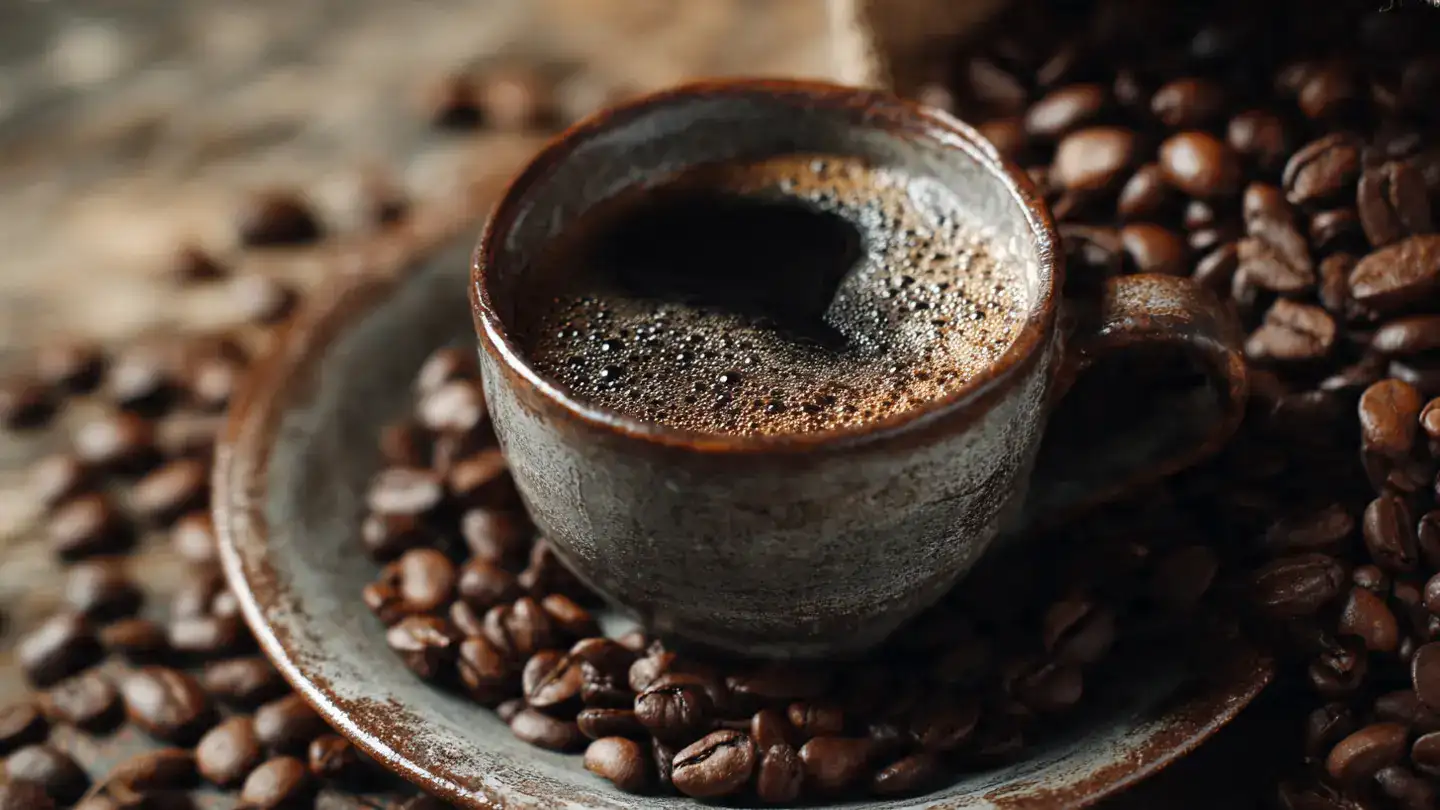
Farmers meticulously hand-pick the coffee cherries when they reach a deep, ruby red ripeness. Once harvested, the seeds—which we know as beans—are processed to remove the fruit. This stage is crucial because the processing method, whether "washed" or "natural," drastically alters the final taste. A washed bean often tastes cleaner and more acidic, whereas a natural process bean can inherit wild, fruity, and wine-like characteristics from the drying fruit pulp.
Medium and dark roasts, conversely, lean into the flavours created by the roasting process itself. You will notice notes of chocolate, toasted nuts, and caramel. While dark roasts are often associated with a "stronger" taste, they actually contain slightly less caffeine than lighter roasts. Finding your preference in this spectrum is the first step in truly exploring the wonderful world of coffee and developing a sophisticated palate for your morning ritual.
On the other end of the scale, paper-filter methods like the V60 or Chemex produce a bright, tea-like clarity. These methods are perfect for highlighting the delicate acidity of high-altitude Ethiopian or Kenyan beans. Then, of course, there is the espresso—a feat of engineering that uses high pressure to create a concentrated shot topped with a silky crema. Each method requires a specific grind size, from coarse sea salt for the press to fine flour for the espresso machine.
In these specialty shops, baristas are viewed as technicians and artists. They carefully measure water temperature, agitation, and extraction time to ensure every cup is balanced. This attention to detail has transformed the act of grabbing a drink into an educational experience. Consumers are now more curious than ever about where their coffee comes from, often looking for "Single Origin" labels that can be traced back to a specific farm or washing station.
Ultimately, coffee is a celebration of diversity. Every cup offers a chance to experience a different corner of the map, from the earthy tones of Sumatra to the bright, berry-like notes of Colombia. By slowing down and appreciating the nuances of your brew, you turn a mundane habit into a daily exploration of one of nature’s most fascinating gifts. Whether you take it black or with a splash of milk, there is always something new to discover in this ever-evolving world of flavour.
Image Courtesy: Meta AI
The Journey from Seed to Cup
The story of coffee starts in the "Bean Belt," the equatorial region between the Tropics of Cancer and Capricorn. Here, the unique combination of volcanic soil, high altitude, and tropical climate creates the perfect environment for coffee trees to thrive. There are two primary species that dominate the market: Arabica and Robusta. Arabica is prized for its nuanced, acidic, and sweet flavour profiles, while Robusta offers a harsher, more bitter punch with significantly higher caffeine content.Farmers meticulously hand-pick the coffee cherries when they reach a deep, ruby red ripeness. Once harvested, the seeds—which we know as beans—are processed to remove the fruit. This stage is crucial because the processing method, whether "washed" or "natural," drastically alters the final taste. A washed bean often tastes cleaner and more acidic, whereas a natural process bean can inherit wild, fruity, and wine-like characteristics from the drying fruit pulp.
Mastering the Art of the Roast
Roasting is where the magic truly happens, transforming the green, grassy seeds into the fragrant brown beans we recognise. During this process, the "Maillard reaction" occurs, creating hundreds of aromatic compounds. A light roast tends to preserve the unique characteristics of the origin, highlighting floral and citrus notes. This is often the preferred choice for those seeking artisan coffee beans that tell a story of their specific terroir.Medium and dark roasts, conversely, lean into the flavours created by the roasting process itself. You will notice notes of chocolate, toasted nuts, and caramel. While dark roasts are often associated with a "stronger" taste, they actually contain slightly less caffeine than lighter roasts. Finding your preference in this spectrum is the first step in truly exploring the wonderful world of coffee and developing a sophisticated palate for your morning ritual.
Exploring Diverse Coffee Brewing Methods
The way you extract the flavour from your grounds is just as important as the beans themselves. Different coffee brewing methods can produce wildly different results from the same bag of coffee. The French Press, for instance, uses an immersion technique that retains the natural oils of the bean, resulting in a heavy, full-bodied mouthfeel. It is the quintessential method for those who enjoy a rustic and bold cup.On the other end of the scale, paper-filter methods like the V60 or Chemex produce a bright, tea-like clarity. These methods are perfect for highlighting the delicate acidity of high-altitude Ethiopian or Kenyan beans. Then, of course, there is the espresso—a feat of engineering that uses high pressure to create a concentrated shot topped with a silky crema. Each method requires a specific grind size, from coarse sea salt for the press to fine flour for the espresso machine.
The Rise of Specialty Coffee Culture
In recent decades, we have moved into what experts call the "Third Wave" of coffee. This movement treats coffee like fine wine or craft beer, focusing on transparency and quality. Specialty coffee culture prioritises direct trade relationships, ensuring that farmers are paid fairly for their exceptional crops. This sustainability-focused approach not only improves the lives of producers but also ensures the longevity of the industry in the face of climate change.In these specialty shops, baristas are viewed as technicians and artists. They carefully measure water temperature, agitation, and extraction time to ensure every cup is balanced. This attention to detail has transformed the act of grabbing a drink into an educational experience. Consumers are now more curious than ever about where their coffee comes from, often looking for "Single Origin" labels that can be traced back to a specific farm or washing station.
Health, Vitality, and the Social Connection
Beyond the exquisite flavours, coffee offers a range of caffeine health benefits when consumed in moderation. It is one of the largest sources of antioxidants in the Western diet, linked to improved cognitive function and a lower risk of several metabolic conditions. For many, it provides the mental clarity needed to navigate a demanding workday or the social "glue" that brings friends together over a shared table.Ultimately, coffee is a celebration of diversity. Every cup offers a chance to experience a different corner of the map, from the earthy tones of Sumatra to the bright, berry-like notes of Colombia. By slowing down and appreciating the nuances of your brew, you turn a mundane habit into a daily exploration of one of nature’s most fascinating gifts. Whether you take it black or with a splash of milk, there is always something new to discover in this ever-evolving world of flavour.
Image Courtesy: Meta AI
Next Story