
These Egg-Laying Animals Are Not Birds and Might Surprise You

When you think of animals that lay eggs, birds are probably the first to come to mind. But nature is far more diverse than that. Egg-laying is one of the oldest and most widespread ways of reproduction, and it is used by many animals across land, water, and even within the group we least expect, mammals.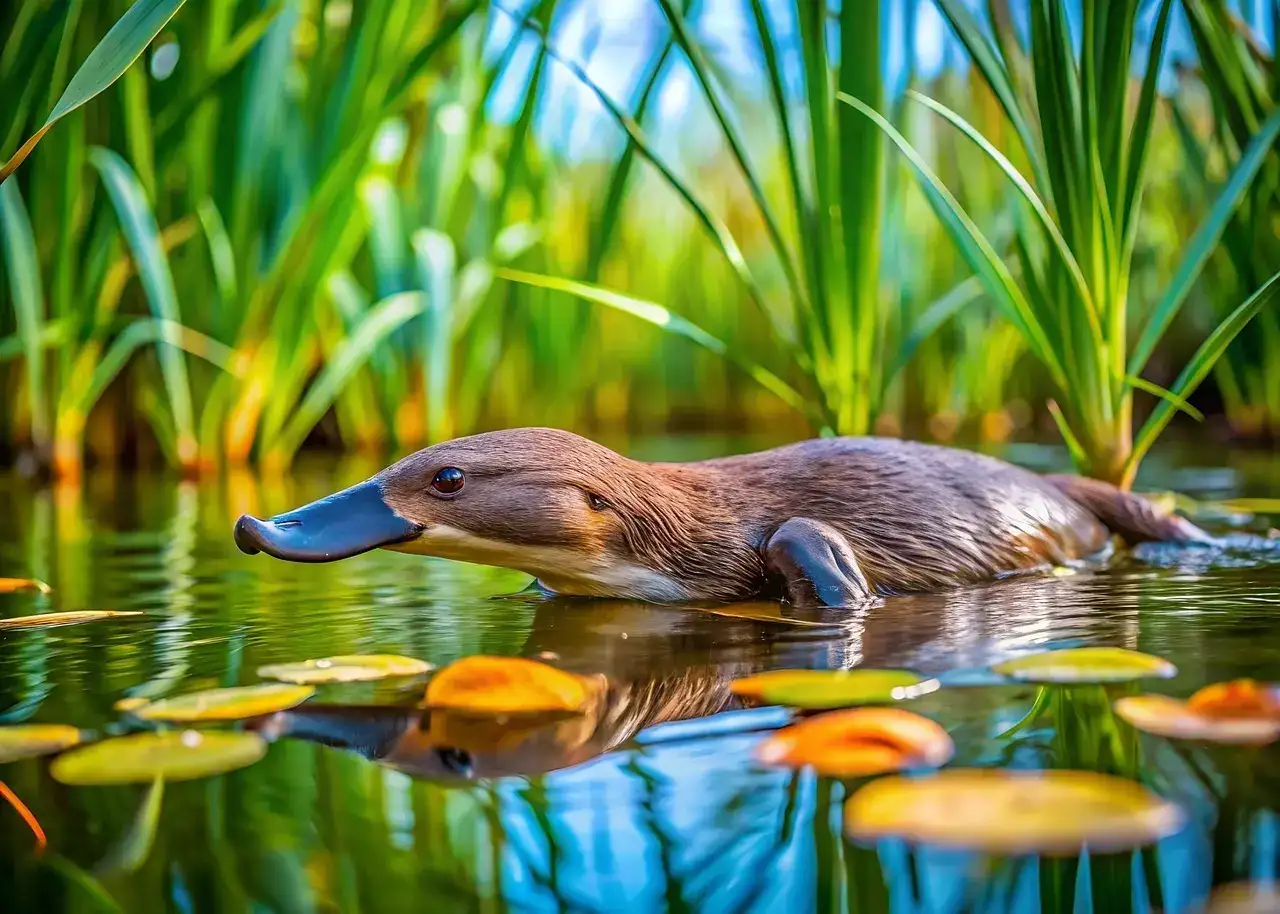
From reptiles and amphibians to sea creatures and rare mammals, here are some fascinating egg-laying animals that are definitely not birds and might surprise you.
The Rare Egg-Laying Mammals
Platypus
The platypus is often described as one of the strangest animals on Earth. Native to Australia, it has a duck-like bill, webbed feet, and a flat tail. Despite being a mammal, it lays eggs instead of giving birth to live young.
The female platypus lays a small number of eggs and keeps them warm by curling her body around them. After hatching, the babies feed on milk, but in an unusual way. The mother does not have nipples. Instead, milk is released through pores in her skin, and the young lap it up.
Echidna
The echidna is another egg-laying mammal and belongs to the same group as the platypus, known as monotremes. Covered in sharp spines, it resembles a cross between a hedgehog and an anteater.
Unlike most animals, the echidna lays a single egg and keeps it in a temporary pouch. Once the egg hatches, the baby, called a puggle, stays in the pouch for protection and nourishment. This rare reproductive method makes echidnas truly unique.
Reptiles That Lay Eggs
Sea Turtle
Sea turtles are famous for their nesting journeys. Female turtles travel long distances across oceans to return to the very beaches where they were born. There, they dig nests in the sand and lay dozens, sometimes hundreds, of eggs.
After covering the nest, they leave the eggs to develop on their own. When the eggs hatch, the tiny turtles make a dangerous journey to the sea, guided only by instinct and natural light.
Snake
Many snake species reproduce by laying eggs, though some give birth to live young. Egg-laying snakes often hide their eggs in warm, safe places such as soil, leaves, or rotting wood.
In certain species, the mother may guard the eggs, while in others, the eggs are left alone to develop using heat from the environment. This process shows how reptiles rely heavily on natural conditions for survival.
Crocodile
Crocodiles are not only powerful predators but also surprisingly attentive parents. They build nests using mud, vegetation, or sand and lay multiple eggs at once.
One fascinating aspect is that the temperature of the nest can determine whether the hatchlings will be male or female. After the eggs hatch, the mother often helps carry the babies to the water, offering protection during their most vulnerable stage.
Amphibians and Their Unique Life Cycle
Frog
Frogs lay eggs in water, often in clusters that look like jelly. These eggs hatch into tadpoles, which are very different from adult frogs. Tadpoles live entirely in water and breathe through gills.
Over time, they undergo metamorphosis, developing legs, lungs, and eventually transforming into adult frogs. This dramatic change in body form is one of the most fascinating processes in the animal kingdom.
Egg-Laying Creatures of the Ocean
Octopus
Octopuses are highly intelligent marine animals, and their approach to reproduction is equally remarkable. A female octopus can lay thousands of eggs at once and carefully attaches them to a safe surface.
She guards them constantly, cleaning and protecting them from predators. In many cases, the mother stops eating during this period and dedicates all her energy to caring for the eggs until they hatch. This level of sacrifice is rare in the animal world.
Why Do So Many Animals Lay Eggs?
Egg-laying is an ancient reproductive strategy that offers several advantages. It allows animals to produce multiple offspring at once and provides a protective environment for developing embryos.
Different species have adapted this method in unique ways. Some guard their eggs closely, while others rely on natural conditions like heat, water, or sunlight to support development.
In many reptiles, for example, the surrounding temperature plays a crucial role, not just in development but even in determining the sex of the offspring.
Egg-laying animals exist in almost every corner of the planet. While birds are the most familiar example, they are only a small part of a much larger group. From rare mammals like the platypus and echidna to reptiles, amphibians, and sea creatures, the diversity of egg-laying species is truly remarkable.
Nature is full of surprises, and egg-laying animals are a perfect example of that diversity. The next time you think of eggs, remember they are not just linked to birds. Many fascinating creatures rely on this method to reproduce, each with its own unique twist.
Understanding these animals not only broadens our knowledge but also highlights how adaptable and creative life on Earth can be.
From reptiles and amphibians to sea creatures and rare mammals, here are some fascinating egg-laying animals that are definitely not birds and might surprise you.
The Rare Egg-Laying Mammals
Platypus
The platypus is often described as one of the strangest animals on Earth. Native to Australia, it has a duck-like bill, webbed feet, and a flat tail. Despite being a mammal, it lays eggs instead of giving birth to live young.
The female platypus lays a small number of eggs and keeps them warm by curling her body around them. After hatching, the babies feed on milk, but in an unusual way. The mother does not have nipples. Instead, milk is released through pores in her skin, and the young lap it up.
Echidna
The echidna is another egg-laying mammal and belongs to the same group as the platypus, known as monotremes. Covered in sharp spines, it resembles a cross between a hedgehog and an anteater.
Unlike most animals, the echidna lays a single egg and keeps it in a temporary pouch. Once the egg hatches, the baby, called a puggle, stays in the pouch for protection and nourishment. This rare reproductive method makes echidnas truly unique.
Reptiles That Lay Eggs
Sea Turtle
Sea turtles are famous for their nesting journeys. Female turtles travel long distances across oceans to return to the very beaches where they were born. There, they dig nests in the sand and lay dozens, sometimes hundreds, of eggs.
After covering the nest, they leave the eggs to develop on their own. When the eggs hatch, the tiny turtles make a dangerous journey to the sea, guided only by instinct and natural light.
Snake
Many snake species reproduce by laying eggs, though some give birth to live young. Egg-laying snakes often hide their eggs in warm, safe places such as soil, leaves, or rotting wood.
In certain species, the mother may guard the eggs, while in others, the eggs are left alone to develop using heat from the environment. This process shows how reptiles rely heavily on natural conditions for survival.
Crocodile
Crocodiles are not only powerful predators but also surprisingly attentive parents. They build nests using mud, vegetation, or sand and lay multiple eggs at once.
One fascinating aspect is that the temperature of the nest can determine whether the hatchlings will be male or female. After the eggs hatch, the mother often helps carry the babies to the water, offering protection during their most vulnerable stage.
Amphibians and Their Unique Life Cycle
Frog
Frogs lay eggs in water, often in clusters that look like jelly. These eggs hatch into tadpoles, which are very different from adult frogs. Tadpoles live entirely in water and breathe through gills.
Over time, they undergo metamorphosis, developing legs, lungs, and eventually transforming into adult frogs. This dramatic change in body form is one of the most fascinating processes in the animal kingdom.
You may also like
- Want to get more bees to your garden? Here's how you can do it
- 5 Essential Ingredients to Boost Your Winter Health
- The Significance of Nose Rings in Hindu Culture
- Effective Foods to Gain Weight Quickly
- “Ye pura toilet kar ke watt laga di hai”; disturbing cab video leaves Internet divided and it's a reminder that travel etiquette matters
Egg-Laying Creatures of the Ocean
Octopus
Octopuses are highly intelligent marine animals, and their approach to reproduction is equally remarkable. A female octopus can lay thousands of eggs at once and carefully attaches them to a safe surface.
She guards them constantly, cleaning and protecting them from predators. In many cases, the mother stops eating during this period and dedicates all her energy to caring for the eggs until they hatch. This level of sacrifice is rare in the animal world.
Why Do So Many Animals Lay Eggs?
Egg-laying is an ancient reproductive strategy that offers several advantages. It allows animals to produce multiple offspring at once and provides a protective environment for developing embryos. Different species have adapted this method in unique ways. Some guard their eggs closely, while others rely on natural conditions like heat, water, or sunlight to support development.
In many reptiles, for example, the surrounding temperature plays a crucial role, not just in development but even in determining the sex of the offspring.
Egg-laying animals exist in almost every corner of the planet. While birds are the most familiar example, they are only a small part of a much larger group. From rare mammals like the platypus and echidna to reptiles, amphibians, and sea creatures, the diversity of egg-laying species is truly remarkable.
Nature is full of surprises, and egg-laying animals are a perfect example of that diversity. The next time you think of eggs, remember they are not just linked to birds. Many fascinating creatures rely on this method to reproduce, each with its own unique twist.
Understanding these animals not only broadens our knowledge but also highlights how adaptable and creative life on Earth can be.






More from our partners


Loving Newspoint? Download the app now
