
Must-Know Things Before Keeping a Parrot as a Pet at Home

Parrots are among the most intelligent and colorful birds you can welcome into your home. Their playful personalities, ability to mimic sounds, and strong bond with owners make them fascinating companions. But parrots are not low-maintenance pets. They require time, attention, and a long-term commitment.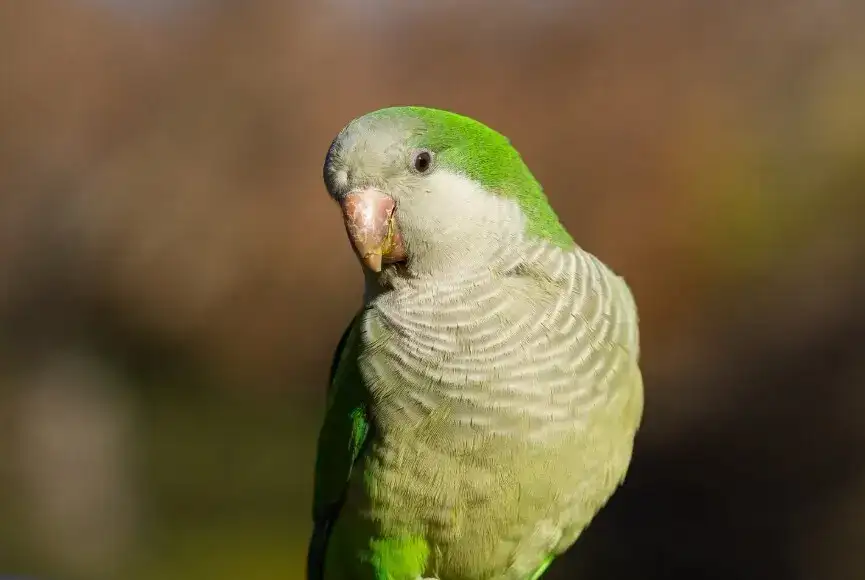
Before bringing one home, here are the most important things every future parrot owner should know.
1. Parrots Can Live for Decades
One of the biggest surprises for new owners is how long parrots live. Depending on the species, they can live anywhere from 15 to over 60 years.
2. They Need Daily Social Interaction
Parrots are highly social birds. In the wild, they live in flocks and constantly interact with other birds. When kept as pets, they depend on their human family for companionship.
Without regular interaction, parrots can become lonely, stressed, and depressed. This may lead to screaming, biting, or feather plucking.
Spend at least a few hours each day talking to, playing with, and training your parrot.
3. Parrots Are Very Intelligent
Parrots are incredibly smart and need mental stimulation to stay happy.
They enjoy:
4. They Can Be Loud
Parrots are naturally vocal animals. Even smaller species can chirp frequently, while larger parrots may produce very loud calls.
Noise levels can be challenging for:
5. A Proper Cage Is Essential
Your parrot's cage should be spacious enough for it to spread its wings and move freely.
The cage should include:
6. Diet Is More Than Just Seeds
A seed-only diet is not healthy for parrots. They need a balanced diet consisting of:
7. They Need Time Outside the Cage
Parrots need daily exercise and freedom to stretch their wings.
Allow supervised out-of-cage time in a bird-safe room where windows are closed and hazards are removed.
This helps keep them physically fit and mentally stimulated.
8. Veterinary Care Is Specialized
Parrots should be seen by an avian veterinarian, not just a regular pet doctor.
9. Your Home Must Be Bird-Safe
Many everyday household items are dangerous to parrots.
Common hazards include:
10. Parrots Can Be Messy
Parrots scatter food, drop feathers, and leave droppings throughout the day.
Be prepared for:
11. Training and Patience Are Important
Parrots need gentle, consistent training to learn good behavior.
Positive reinforcement can help with:
12. Choosing the Right Species Matters
Different parrots have different personalities and care needs.
Parrots are loving, intelligent, and entertaining pets, but they demand much more care than many people expect. They need proper nutrition, daily interaction, mental stimulation, and a safe environment.
If you are ready to invest time, patience, and love, a parrot can become a loyal companion and cherished member of your family for many years.
Before bringing one home, here are the most important things every future parrot owner should know.
1. Parrots Can Live for Decades
One of the biggest surprises for new owners is how long parrots live. Depending on the species, they can live anywhere from 15 to over 60 years. - Budgies: 10-15 years
- Cockatiels: 15-20 years
- African Greys: 40-60 years
- Macaws: 50 years or more
2. They Need Daily Social Interaction
Parrots are highly social birds. In the wild, they live in flocks and constantly interact with other birds. When kept as pets, they depend on their human family for companionship. Without regular interaction, parrots can become lonely, stressed, and depressed. This may lead to screaming, biting, or feather plucking.
Spend at least a few hours each day talking to, playing with, and training your parrot.
3. Parrots Are Very Intelligent
Parrots are incredibly smart and need mental stimulation to stay happy. They enjoy:
- Puzzle toys
- Training sessions
- Learning words and tricks
- Exploring new objects
4. They Can Be Loud
Parrots are naturally vocal animals. Even smaller species can chirp frequently, while larger parrots may produce very loud calls. Noise levels can be challenging for:
- Apartment living
- Homes with babies
- People sensitive to sound
5. A Proper Cage Is Essential
Your parrot's cage should be spacious enough for it to spread its wings and move freely. The cage should include:
- Natural wood perches
- Food and water bowls
- Toys
- Safe areas for climbing
6. Diet Is More Than Just Seeds
A seed-only diet is not healthy for parrots. They need a balanced diet consisting of: - High-quality pellets
- Fresh fruits
- Vegetables
- Limited seeds and nuts
- Chocolate
- Avocado
- Caffeine
- Alcohol
- Onions and garlic
7. They Need Time Outside the Cage
Parrots need daily exercise and freedom to stretch their wings. Allow supervised out-of-cage time in a bird-safe room where windows are closed and hazards are removed.
This helps keep them physically fit and mentally stimulated.
8. Veterinary Care Is Specialized
Parrots should be seen by an avian veterinarian, not just a regular pet doctor. - Routine checkups help detect:
- Nutritional deficiencies
- Respiratory infections
- Parasites
- Behavioral issues
9. Your Home Must Be Bird-Safe
Many everyday household items are dangerous to parrots. Common hazards include:
- Non-stick cookware fumes
- Scented candles
- Air fresheners
- Toxic houseplants
- Open windows
- Ceiling fans
10. Parrots Can Be Messy
Parrots scatter food, drop feathers, and leave droppings throughout the day. Be prepared for:
- Daily cleaning
- Vacuuming
- Washing cage accessories
11. Training and Patience Are Important
Parrots need gentle, consistent training to learn good behavior. Positive reinforcement can help with:
- Step-up commands
- Recall training
- Reducing biting
- Building trust
12. Choosing the Right Species Matters
Different parrots have different personalities and care needs. - Budgies are great for beginners.
- Cockatiels are affectionate and gentle.
- Conures are playful and energetic.
- African Greys are highly intelligent.
- Macaws need extensive space and experience.
Parrots are loving, intelligent, and entertaining pets, but they demand much more care than many people expect. They need proper nutrition, daily interaction, mental stimulation, and a safe environment.
If you are ready to invest time, patience, and love, a parrot can become a loyal companion and cherished member of your family for many years.
Next Story