
Top 2026 Astronomical Events: A Year to Watch the Skies

If you love looking up, 2026 is going to be an unforgettable year. The night sky is set to deliver a rich lineup of astronomical events, from dazzling meteor showers to rare planetary alignments and lunar spectacles. Whether you're a dedicated stargazer or just someone who enjoys a beautiful night sky, there will be plenty to watch and talk about.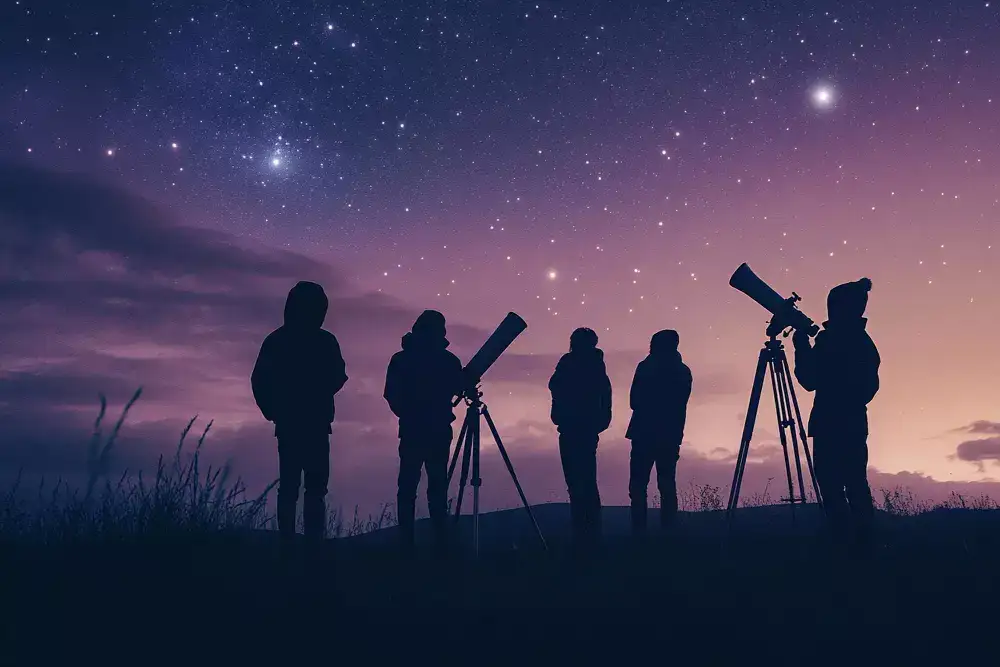
But before we jump into the year’s highlights, there’s another reason 2026 is special for space enthusiasts.
A Milestone for Lunar and Meteor Science
2026 marks the 20th anniversary of NASA’s Marshall Space Flight Center Observatory. The observatory has a fascinating history. It began in 1958 as an engine test site, then evolved into a solar observatory in 1968 to study the Sun. In 2006, it transitioned again into a lunar and meteor observatory, which is what it’s known for today.
Now, the observatory plays a vital role in:
monitoring the Moon for meteor impacts
tracking comets
studying eclipses
measuring meteoroid activity using advanced telescopes and cameras
In other words, it’s one of the key facilities helping us understand the dynamic sky above us.
Mercury, Venus, Neptune, Saturn, Uranus, and Jupiter.
This “planet parade” is rare and spectacular. Four of these planets can be seen with the naked eye, but Uranus and Neptune will require binoculars or a telescope. Mercury can also be tricky to spot because it sits low near the horizon, but the view is worth the effort.
A lunar eclipse happens when Earth lines up directly between the Moon and the Sun, casting a shadow on the Moon. During totality, the Moon often appears red or copper-colored, which is why it’s sometimes called a “Blood Moon.”
It’s important to note that the Moon won’t actually turn blue. The name simply refers to the unusual timing. Still, this event makes 2026 special because it means we’ll have 13 full moons in the year instead of the usual 12.
This is one of the easiest and most beautiful celestial events to witness because no telescope or binoculars are needed. Just look up after sunset and enjoy the bright pair shining together.
This year, the Perseids coincide with a New Moon, which means the sky will be darker and the meteor streaks more visible. If the weather cooperates, this could be one of the best viewing experiences of 2026.
To catch the best view, step outside just after midnight and look up. The Geminids can produce a high number of meteors per hour, making them one of the most reliable showers of the year.
So on December 24, expect a spectacularly bright Moon perfect for a late-night walk, a holiday photo, or just some quiet skywatching.
But before we jump into the year’s highlights, there’s another reason 2026 is special for space enthusiasts.
A Milestone for Lunar and Meteor Science
2026 marks the 20th anniversary of NASA’s Marshall Space Flight Center Observatory. The observatory has a fascinating history. It began in 1958 as an engine test site, then evolved into a solar observatory in 1968 to study the Sun. In 2006, it transitioned again into a lunar and meteor observatory, which is what it’s known for today.
Now, the observatory plays a vital role in:
monitoring the Moon for meteor impacts
tracking comets
studying eclipses
measuring meteoroid activity using advanced telescopes and cameras
In other words, it’s one of the key facilities helping us understand the dynamic sky above us.
The Best Astronomical Events of 2026
Feb 28 - Planetary Parade
One of the most exciting events of the year happens in late February. On the evening of February 28, six planets will appear in the sky after sunset:Mercury, Venus, Neptune, Saturn, Uranus, and Jupiter.
This “planet parade” is rare and spectacular. Four of these planets can be seen with the naked eye, but Uranus and Neptune will require binoculars or a telescope. Mercury can also be tricky to spot because it sits low near the horizon, but the view is worth the effort.
Mar 3 - Total Lunar Eclipse
A total lunar eclipse will occur on March 3, visible across North America—especially for those on the West Coast. The best part? It happens just before sunrise, making it a perfect early-morning skywatching event.A lunar eclipse happens when Earth lines up directly between the Moon and the Sun, casting a shadow on the Moon. During totality, the Moon often appears red or copper-colored, which is why it’s sometimes called a “Blood Moon.”
May 31 - Full Blue Moon
The phrase “once in a blue moon” comes from a rare event having two full moons in a single month. This year, that happens on May 31, giving us a Blue Moon.It’s important to note that the Moon won’t actually turn blue. The name simply refers to the unusual timing. Still, this event makes 2026 special because it means we’ll have 13 full moons in the year instead of the usual 12.
June 8–9 - Venus and Jupiter Conjunction
In early June, the sky will put on a truly stunning show. Venus and Jupiter, the two brightest planets visible from Earth, will appear incredibly close about the width of a finger at arm’s length.This is one of the easiest and most beautiful celestial events to witness because no telescope or binoculars are needed. Just look up after sunset and enjoy the bright pair shining together.
Aug 12-13 - Perseids Meteor Shower
If you’re a meteor shower fan, August is your month. The Perseids are widely considered the best annual meteor shower, known for producing bright and frequent streaks across the sky.This year, the Perseids coincide with a New Moon, which means the sky will be darker and the meteor streaks more visible. If the weather cooperates, this could be one of the best viewing experiences of 2026.
Dec 13-14 - Geminids Meteor Shower
December brings another major meteor shower: the Geminids. These meteors are famous for being bright and colorful, often appearing green as they burn up in Earth’s atmosphere.You may also like
- Shubhangi Atre on the Interplay of Luck, Mindset, and Personal Growth
- The Essential Benefits and Risks of Vitamin E Capsules
- Times of India, JK Paper AutHer Awards 2026 Shortlist announced
- Credit Card Rule Changes from April 2026: Axis Bank, YES Bank and SBI Card Users Should Check These New Updates
- Income Tax Email Triggers Panic: Taxpayers Receive Incorrect Transaction Details, Department Issues Clarification
To catch the best view, step outside just after midnight and look up. The Geminids can produce a high number of meteors per hour, making them one of the most reliable showers of the year.
Dec 24 - Supermoon
The year ends with a festive celestial treat: a Supermoon on Christmas Eve. A supermoon occurs when the full Moon is closest to Earth in its orbit, making it appear larger and brighter than usual.So on December 24, expect a spectacularly bright Moon perfect for a late-night walk, a holiday photo, or just some quiet skywatching.
Other 2026 Sky Events Worth Watching
Here’s a full list of other notable celestial events happening throughout the year:
- Jan 2–3: Quadrantids Meteor Shower
- Jan 3: Supermoon
- Jan 10: Jupiter at Opposition
- Feb 17: Annular Solar Eclipse (visible in Antarctica)
- Mar 20: March Equinox
- Apr 21–22: Lyrids Meteor Shower
- May 5–6: Eta Aquariids Meteor Shower
- Jun 21: June Solstice
- Jul 30–31: Southern Delta Aquariids & Alpha Capricornids Meteor Showers
- Aug 12: Total Solar Eclipse (visible in Greenland, Iceland, Spain)
- Sep 23: September Equinox
- Sep 25: Neptune at Opposition
- Oct 4: Saturn at Opposition
- Oct 7: Draconids Meteor Shower
- Oct 21–22: Orionids Meteor Shower
- Nov 4–5: Taurids Meteor Shower
- Nov 17: Leonids Meteor Shower
- Nov 24: Supermoon
- Nov 25: Uranus at Opposition
- Dec 21: December Solstice
- Dec 21–22: Ursids Meteor Shower
Get Ready to Look Up
2026 is truly a year for sky lovers. With so many events lined up, it’s a perfect time to start tracking the skies, planning night trips, or simply enjoying the beauty of the universe from your backyard.





More from our partners


Loving Newspoint? Download the app now
