
Global Water Crisis: Countries Most at Risk of Running Out of Water

We often take for granted the simple act of turning on a tap and watching clean, cold water pour out. For many of us, water feels like an infinite resource, something that will always be there when we need to brush our teeth, boil some pasta, or take a long shower. But the reality is starting to look very different on a global scale. We are living in a time where " water stress " is no longer just a buzzword for environmentalists; it is a daily reality for billions of people.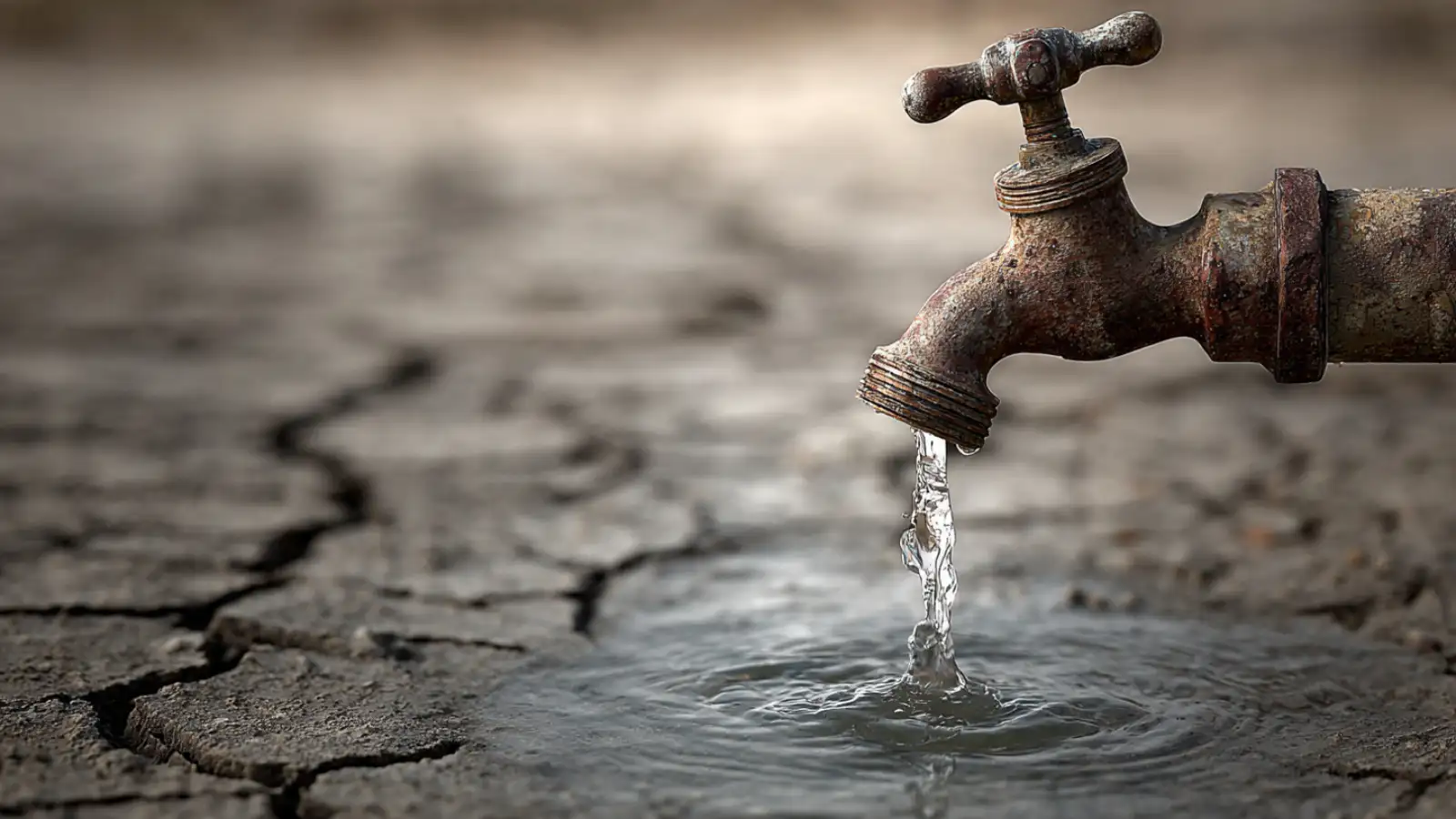
Understanding why certain parts of the world are hitting the bottom of the barrel is crucial. It is not just about having a dry lawn or a shorter shower. Water is the backbone of everything from the food we eat to the electricity that powers our homes. When the water stops flowing, the ripple effects touch every part of a society, from the economy to public health.
However, the pressure has reached a boiling point. Some nations in these regions are now using significantly more water than their natural ecosystems can replenish. This means they are digging deep into "fossil water" or ancient underground aquifers that took thousands of years to fill and won't be coming back once they are empty. It is like spending your life savings to pay for your monthly groceries; eventually, the bank account hits zero.
In many developing nations, the infrastructure simply cannot keep up with the pace of people moving into cities. When a city designed for a few hundred thousand people suddenly has to support millions, the local water table takes a massive hit. This often leads to a situation where the wealthy can afford to buy water from private tankers, while the rest of the population is left waiting for a tap that may only run for an hour a week. This social divide makes water scarcity not just an environmental issue, but a profound human rights challenge.
In many high-risk countries, traditional farming methods are still the norm. These methods often involve flooding fields or using outdated irrigation systems where a huge chunk of the water evaporates before it even touches a plant’s roots. This inefficiency is one of the main reasons why countries with huge agricultural sectors are seeing their groundwater levels plummet. Moving toward more precise, "smart" farming is a goal for many, but the cost of that technology can be a huge barrier for the nations that need it most.
Some places are seeing their rainy seasons shrink, while others are being hit by massive floods that wash away the topsoil but don't actually soak into the ground to refill aquifers. The rising global temperature also means that snowpacks and glaciers—which act like giant water towers for many countries—are melting faster than they can be replaced. This creates a terrifying "peak water" scenario where there is a surplus for a few years as the ice melts, followed by a permanent, bone-dry shortage once the ice is gone.
This has led to a rise in what experts call "hydro-politics." In many regions, the threat of conflict over water rights is more immediate than the threat of traditional warfare. Managing these shared resources requires an incredible level of international cooperation, but when everyone is thirsty, being a good neighbor becomes a lot harder.
The key to surviving the coming decades will be a total shift in how we value water. We have to stop thinking of it as a free, infinite gift and start treating it like the precious, finite resource it is. This means fixing leaky pipes that lose millions of gallons a day, investing in crops that can survive with less moisture, and making sure that water management is at the top of every government's priority list.
Understanding why certain parts of the world are hitting the bottom of the barrel is crucial. It is not just about having a dry lawn or a shorter shower. Water is the backbone of everything from the food we eat to the electricity that powers our homes. When the water stops flowing, the ripple effects touch every part of a society, from the economy to public health.
The Heavy Hitters: Regions Under Extreme Pressure
When we look at the map of the world today, the areas glowing bright red for water risk are concentrated in specific geographic belts. The Middle East and North Africa consistently top the charts for a very simple, natural reason: they are incredibly arid. These regions have always had to be clever with their water because nature simply does not provide much of it.However, the pressure has reached a boiling point. Some nations in these regions are now using significantly more water than their natural ecosystems can replenish. This means they are digging deep into "fossil water" or ancient underground aquifers that took thousands of years to fill and won't be coming back once they are empty. It is like spending your life savings to pay for your monthly groceries; eventually, the bank account hits zero.
The Role of Rapid Growth and Urbanization
It is easy to blame the weather for water shortages, but humans play a massive role in how quickly these resources disappear. One of the biggest drivers of water scarcity is the sheer speed at which our global population is growing. More people means more mouths to feed, which leads to a massive surge in agricultural demand.You may also like
- What Indian dads can learn from Abhishek Bachchan
- “Please don't tell my mother…” 23-year-old lands in ICU after selling his kidney for a reason that has put humanity to shame
- World's oldest tortoise is 194 years old—here's where to see it
- HRA Exemption Rules: Now, a 50% HRA claim will be available in these 4 new cities as well, directly boosting your 'in-hand' salary..
- Extramarital Dating: 148% women are doing extramarital dating, know how modern marriage is in danger?
In many developing nations, the infrastructure simply cannot keep up with the pace of people moving into cities. When a city designed for a few hundred thousand people suddenly has to support millions, the local water table takes a massive hit. This often leads to a situation where the wealthy can afford to buy water from private tankers, while the rest of the population is left waiting for a tap that may only run for an hour a week. This social divide makes water scarcity not just an environmental issue, but a profound human rights challenge.
Why Agriculture is the Biggest Water Consumer
If you want to find where the water is going, look at the dinner plate. Globally, agriculture is responsible for the vast majority of freshwater withdrawals. This is a bit of a catch-22. We need more food to support a growing world, but the way we grow that food is often incredibly thirsty.In many high-risk countries, traditional farming methods are still the norm. These methods often involve flooding fields or using outdated irrigation systems where a huge chunk of the water evaporates before it even touches a plant’s roots. This inefficiency is one of the main reasons why countries with huge agricultural sectors are seeing their groundwater levels plummet. Moving toward more precise, "smart" farming is a goal for many, but the cost of that technology can be a huge barrier for the nations that need it most.
The Climate Change Multiplier
We cannot talk about water without talking about the changing climate. Think of climate change as a "threat multiplier." It takes an existing problem, like a dry season, and turns it into a multi-year catastrophe. In many parts of the world, rainfall patterns that have been predictable for centuries are now completely erratic.Some places are seeing their rainy seasons shrink, while others are being hit by massive floods that wash away the topsoil but don't actually soak into the ground to refill aquifers. The rising global temperature also means that snowpacks and glaciers—which act like giant water towers for many countries—are melting faster than they can be replaced. This creates a terrifying "peak water" scenario where there is a surplus for a few years as the ice melts, followed by a permanent, bone-dry shortage once the ice is gone.
Economic and Political Friction
When a resource becomes as scarce and valuable as water, it inevitably leads to tension. Many of the world’s great rivers flow through multiple countries. When a country upstream decides to build a massive dam to generate power or secure its own water supply, the countries downstream are left with the leftovers.This has led to a rise in what experts call "hydro-politics." In many regions, the threat of conflict over water rights is more immediate than the threat of traditional warfare. Managing these shared resources requires an incredible level of international cooperation, but when everyone is thirsty, being a good neighbor becomes a lot harder.
Is There a Way Forward?
While the situation looks grim for the countries most at risk, it is not entirely hopeless. We are seeing incredible innovations in water management. Some of the driest countries on Earth have become world leaders in desalination—turning seawater into drinking water—and wastewater recycling.The key to surviving the coming decades will be a total shift in how we value water. We have to stop thinking of it as a free, infinite gift and start treating it like the precious, finite resource it is. This means fixing leaky pipes that lose millions of gallons a day, investing in crops that can survive with less moisture, and making sure that water management is at the top of every government's priority list.






More from our partners


Loving Newspoint? Download the app now
