
Top Kitchen Waste You Should Use in Your Garden for Healthier Plants

Your kitchen bin could be a hidden treasure for your garden. Many everyday food scraps are packed with nutrients that can enrich soil, improve plant growth, and reduce waste at the same time. Instead of throwing everything away, you can reuse certain kitchen waste to give your plants a natural boost.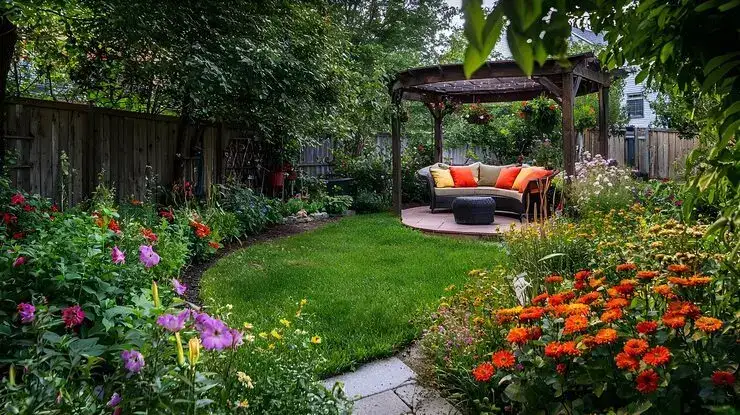
Here are some of the best kitchen leftovers you should start adding to your garden.
Vegetable and Fruit Peels
Peels from potatoes, carrots, cucumbers, apples, and bananas are rich in nutrients. When composted, they break down into organic matter that improves soil texture and fertility. Banana peels, in particular, are high in potassium, which supports flowering and fruiting plants.
Eggshells
Eggshells are an excellent source of calcium. Crushed shells can be mixed into the soil to strengthen plant cell walls and prevent issues like blossom end rot in tomatoes. They also help improve soil structure and may deter certain pests.
Used Tea Leaves and Tea Bags
Used tea leaves add organic matter to the soil and improve drainage. They also contain small amounts of nitrogen, which supports leafy growth. If you use tea bags, make sure they are made of biodegradable material before adding them to compost.
Coffee Grounds
Coffee grounds are rich in nitrogen and can enhance soil fertility. They are especially beneficial for acid loving plants like roses and blueberries. Mix them with soil or compost rather than adding thick layers directly on top.
Onion and Garlic Skins
These papery layers are often discarded, but they contain nutrients and antioxidants. Add them to compost to enrich the soil over time.
Citrus Peels
Citrus peels can be composted in small amounts. They help add organic matter and can also deter certain insects when placed near plants. Chop them into small pieces to help them decompose faster.
How to Use Kitchen Waste Safely
While kitchen waste is beneficial, it should be used wisely. Avoid adding oily, salty, or heavily processed foods to your garden. Composting is the safest method, as it allows scraps to break down properly before mixing them into soil. This prevents bad odors and pest problems.
A Greener Garden Starts at Home
Reusing kitchen waste is a simple step toward sustainable gardening. It reduces household waste and provides your plants with natural nourishment. With a little effort, your leftovers can turn into rich compost that keeps your garden healthier and more productive all year round.
Here are some of the best kitchen leftovers you should start adding to your garden.
Vegetable and Fruit Peels
Peels from potatoes, carrots, cucumbers, apples, and bananas are rich in nutrients. When composted, they break down into organic matter that improves soil texture and fertility. Banana peels, in particular, are high in potassium, which supports flowering and fruiting plants. Eggshells
Eggshells are an excellent source of calcium. Crushed shells can be mixed into the soil to strengthen plant cell walls and prevent issues like blossom end rot in tomatoes. They also help improve soil structure and may deter certain pests.Used Tea Leaves and Tea Bags
Used tea leaves add organic matter to the soil and improve drainage. They also contain small amounts of nitrogen, which supports leafy growth. If you use tea bags, make sure they are made of biodegradable material before adding them to compost. Coffee Grounds
Coffee grounds are rich in nitrogen and can enhance soil fertility. They are especially beneficial for acid loving plants like roses and blueberries. Mix them with soil or compost rather than adding thick layers directly on top.Rice Water
The water left after washing or boiling rice contains starch and small amounts of nutrients. Once cooled, it can be used to water plants. It may encourage the growth of beneficial soil bacteria.Onion and Garlic Skins
These papery layers are often discarded, but they contain nutrients and antioxidants. Add them to compost to enrich the soil over time. Citrus Peels
Citrus peels can be composted in small amounts. They help add organic matter and can also deter certain insects when placed near plants. Chop them into small pieces to help them decompose faster. How to Use Kitchen Waste Safely
While kitchen waste is beneficial, it should be used wisely. Avoid adding oily, salty, or heavily processed foods to your garden. Composting is the safest method, as it allows scraps to break down properly before mixing them into soil. This prevents bad odors and pest problems.A Greener Garden Starts at Home
Reusing kitchen waste is a simple step toward sustainable gardening. It reduces household waste and provides your plants with natural nourishment. With a little effort, your leftovers can turn into rich compost that keeps your garden healthier and more productive all year round. Next Story