
Traditional Poori Bhaji That’s Always A Hit For Family Breakfasts And Festive Mornings

Some dishes do not need reinvention because their charm lies in the memory they carry. Traditional poori bhaji is one of those rare meals that instantly turns an ordinary morning into something special. Whether served on relaxed Sundays, festive breakfasts, family get-togethers or unexpected guest visits, this classic pairing rarely fails to delight.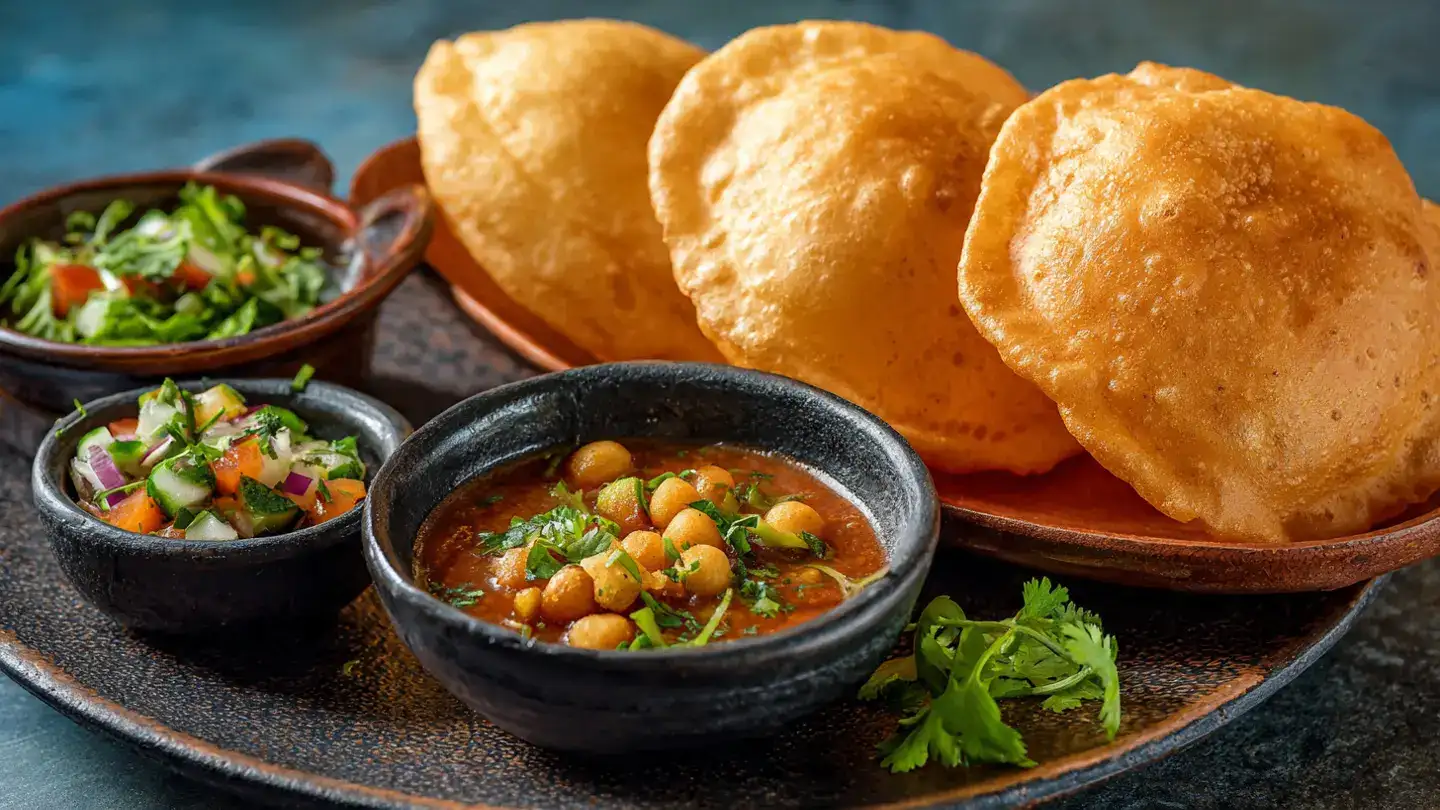
The magic lies in contrast. The poori arrives golden, airy and lightly crisp, while the bhaji offers soft potatoes coated in a fragrant masala that feels both comforting and deeply satisfying. Together, they create a plate that is simple in ingredients yet rich in emotion, flavour and nostalgia.
Across Indian homes, this combination has remained a staple not because it is trendy, but because it consistently delivers warmth, fullness and familiarity. It is the kind of meal people crave not only for taste but for the feeling it creates around the table.
Unlike complicated festive dishes, it uses everyday pantry staples — wheat flour, potatoes, turmeric, green chillies, curry leaves and simple tempering ingredients. Yet when these humble elements come together, the result feels celebratory.
This is why the dish works equally well as an Indian breakfast recipe , a travel meal, a lunchbox favourite or a quick crowd-pleaser when guests arrive without notice.
Its flavour is balanced enough for children, satisfying enough for adults and familiar enough to please older family members who associate it with home-style cooking.
Fresh pooris puff up beautifully when fried at the right temperature, creating a light shell that tears open with a delicate crispness. The bhaji, by contrast, is soft, silky and slightly mashed, allowing it to cling perfectly to each piece of poori.
This crisp-soft pairing creates the kind of bite that feels complete every single time.
The potatoes absorb mustard seeds, hing, turmeric and curry leaves, while the poori adds richness and warmth. It is this contrast that makes the dish so deeply craveable.
Some homes prefer a North Indian style classic poori aloo with tomatoes, ginger and coriander. Others make a lighter yellow bhaji with mustard seeds, onions and curry leaves, popular in many western and southern Indian kitchens.
Some families keep the potatoes chunky, while others mash them slightly for a softer finish.
This flexibility is one reason homemade poori bhaji continues to stay relevant. It allows every household to preserve its own culinary identity while staying true to the spirit of the dish.
It can be prepared quickly on festival mornings, birthday breakfasts or special school-day treats. The aroma of frying pooris alone creates excitement in the kitchen, often drawing everyone to the dining table before the meal is even plated.
As a festive Indian meal , it carries emotional value because it often marks occasions that families remember for years.
The food becomes linked to moments rather than just appetite.
Today, many households serve it with pickle, boondi raita, chole, suji halwa or even a lighter cucumber salad for balance. Some use multigrain flour, while others make smaller pooris for brunch spreads.
Even in fast-moving urban lifestyles, it remains one of the easiest comfort food breakfast options that still feels indulgent and homemade.
Its continued popularity proves that some dishes stay timeless because they offer more than flavour. They deliver familiarity in a rapidly changing food culture.
Few meals have the same ability to gather children, parents and grandparents with equal enthusiasm. There is always something joyful about watching pooris puff in hot oil, serving them immediately and hearing everyone ask for just one more.
The dish feels generous, warm and celebratory without trying too hard.
That is why traditional poori bhaji remains a hit across generations. It is not only about the taste of crisp bread and spiced potatoes. It is about the ritual, the shared anticipation and the comfort of a meal that has earned its place in family memory.
Some foods trend for a season. Poori bhaji stays because it belongs to the emotional fabric of Indian home cooking, and that timeless familiarity is exactly what keeps it loved year after year.
Image Courtesy: Meta AI
The magic lies in contrast. The poori arrives golden, airy and lightly crisp, while the bhaji offers soft potatoes coated in a fragrant masala that feels both comforting and deeply satisfying. Together, they create a plate that is simple in ingredients yet rich in emotion, flavour and nostalgia.
Across Indian homes, this combination has remained a staple not because it is trendy, but because it consistently delivers warmth, fullness and familiarity. It is the kind of meal people crave not only for taste but for the feeling it creates around the table.
The Timeless Appeal Of Traditional Poori Bhaji
The beauty of traditional poori bhaji lies in its universal comfort.Unlike complicated festive dishes, it uses everyday pantry staples — wheat flour, potatoes, turmeric, green chillies, curry leaves and simple tempering ingredients. Yet when these humble elements come together, the result feels celebratory.
This is why the dish works equally well as an Indian breakfast recipe , a travel meal, a lunchbox favourite or a quick crowd-pleaser when guests arrive without notice.
Its flavour is balanced enough for children, satisfying enough for adults and familiar enough to please older family members who associate it with home-style cooking.
Why The Texture Combination Always Wins
A big reason traditional poori bhaji remains so loved is the textural experience.Fresh pooris puff up beautifully when fried at the right temperature, creating a light shell that tears open with a delicate crispness. The bhaji, by contrast, is soft, silky and slightly mashed, allowing it to cling perfectly to each piece of poori.
This crisp-soft pairing creates the kind of bite that feels complete every single time.
The potatoes absorb mustard seeds, hing, turmeric and curry leaves, while the poori adds richness and warmth. It is this contrast that makes the dish so deeply craveable.
The Bhaji Is Where Every Home Adds Its Personality
While the meal is classic, the bhaji often reflects family tradition.Some homes prefer a North Indian style classic poori aloo with tomatoes, ginger and coriander. Others make a lighter yellow bhaji with mustard seeds, onions and curry leaves, popular in many western and southern Indian kitchens.
Some families keep the potatoes chunky, while others mash them slightly for a softer finish.
This flexibility is one reason homemade poori bhaji continues to stay relevant. It allows every household to preserve its own culinary identity while staying true to the spirit of the dish.
A Festive Meal Without The Fuss
Many dishes associated with celebration demand long preparation. Poori bhaji offers the same festive feeling with far less complexity.It can be prepared quickly on festival mornings, birthday breakfasts or special school-day treats. The aroma of frying pooris alone creates excitement in the kitchen, often drawing everyone to the dining table before the meal is even plated.
As a festive Indian meal , it carries emotional value because it often marks occasions that families remember for years.
The food becomes linked to moments rather than just appetite.
You may also like
- Thymus Gland Health: This tiny organ prolongs your lifespan; this revelation will blow your mind.
- Effective Remedies to Lighten Dark Underarms and Thighs
- Otto Wagner: The Visionary Architect Who Redefined Urban Design
- New player in the Biryani world and it's not from Hyderabad
- Excessive hair loss may suddenly occur, this disease may be hidden in the body.
Why It Still Works In Modern Kitchens
Despite changing food trends, poori bhaji remains relevant because it adapts effortlessly.Today, many households serve it with pickle, boondi raita, chole, suji halwa or even a lighter cucumber salad for balance. Some use multigrain flour, while others make smaller pooris for brunch spreads.
Even in fast-moving urban lifestyles, it remains one of the easiest comfort food breakfast options that still feels indulgent and homemade.
Its continued popularity proves that some dishes stay timeless because they offer more than flavour. They deliver familiarity in a rapidly changing food culture.
The Meal That Brings Everyone To The Table
Perhaps the biggest reason traditional poori bhaji never misses is the togetherness it creates.Few meals have the same ability to gather children, parents and grandparents with equal enthusiasm. There is always something joyful about watching pooris puff in hot oil, serving them immediately and hearing everyone ask for just one more.
The dish feels generous, warm and celebratory without trying too hard.
That is why traditional poori bhaji remains a hit across generations. It is not only about the taste of crisp bread and spiced potatoes. It is about the ritual, the shared anticipation and the comfort of a meal that has earned its place in family memory.
Some foods trend for a season. Poori bhaji stays because it belongs to the emotional fabric of Indian home cooking, and that timeless familiarity is exactly what keeps it loved year after year.
Image Courtesy: Meta AI






More from our partners


Loving Newspoint? Download the app now
