
Traditional vs Modern Holi Celebrations: How the Festival of Colors Has Evolved Over the Years

Holi is one of India’s most vibrant and beloved festivals, known around the world as the festival of colours . For generations, Holi has stood for joy, unity, and the triumph of good over evil. At its heart, this festival celebrates the arrival of spring, friendship, and a fresh start. Over time, the way people celebrate Holi has changed. What began as a set of traditional rituals has grown into a mix of old customs and modern celebrations updated for today’s world.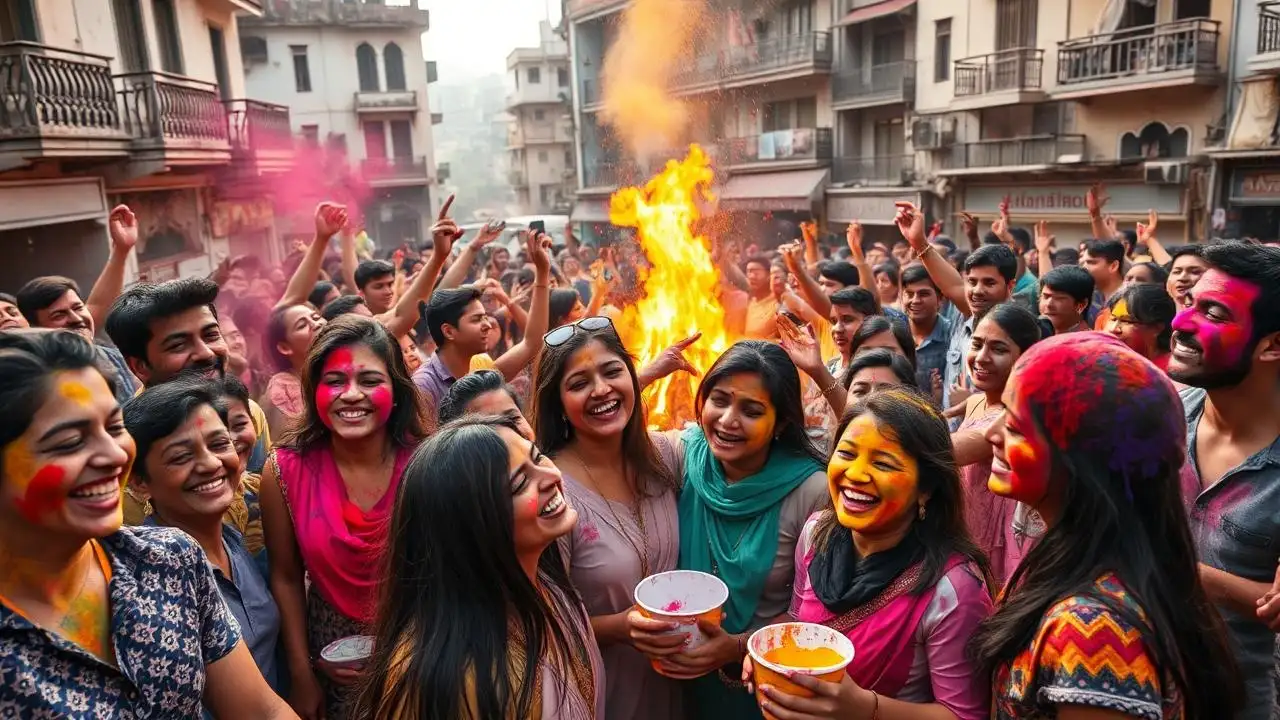
The festival usually begins with Holika Dahan, a ceremonial bonfire. This ritual symbolises the burning of negativity and the victory of goodness. After the bonfire night, people celebrate Rangwali Holi or Dhuleti, where they play with colours and water, smearing each other with vibrant hues and laughter.
Traditionally, Holi was also a time for families to clean and decorate their homes, prepare special foods like gujiya and thandai, and wear new clothes for the celebration. The festival brought entire communities together to share sweets, music, and affection.
Another big change in modern Holi celebrations is the focus on sustainability and care for the environment. More and more people are choosing natural, biodegradable colours and finding ways to minimise water use during the festival. This eco-friendly shift reflects growing awareness about environmental issues and a desire to preserve the spirit of Holi in a responsible way.
Today, Holi is also celebrated far beyond India’s borders. Communities around the world now embrace the colourful festival’s spirit and cultural significance, spreading its message of joy and unity to global audiences.
At the same time, some communities in urban housing societies are leading the way in eco-conscious Holi initiatives. Places like Pune have started using organic colours and conserving water during celebrations. These efforts blend the old and the new, keeping Holi joyful but mindful.
Traditional Holi celebrations
In traditional Holi, every part of the festival has meaning and cultural significance. Rooted in Hindu mythology and legend, Holi honours stories like the victory of Prahlad over his evil aunt Holika, and the divine love between Radha and Krishna.The festival usually begins with Holika Dahan, a ceremonial bonfire. This ritual symbolises the burning of negativity and the victory of goodness. After the bonfire night, people celebrate Rangwali Holi or Dhuleti, where they play with colours and water, smearing each other with vibrant hues and laughter.
Traditionally, Holi was also a time for families to clean and decorate their homes, prepare special foods like gujiya and thandai, and wear new clothes for the celebration. The festival brought entire communities together to share sweets, music, and affection.
Modern Holi celebrations
In recent years, the way people celebrate Holi has evolved to include newer trends while still honouring its cultural roots. One noticeable change is how modern Holi events now often feature live DJs, rain dance parties, and processions filled with music and excitement. These contemporary celebrations are especially popular with younger generations and have become more commercial in many places.Another big change in modern Holi celebrations is the focus on sustainability and care for the environment. More and more people are choosing natural, biodegradable colours and finding ways to minimise water use during the festival. This eco-friendly shift reflects growing awareness about environmental issues and a desire to preserve the spirit of Holi in a responsible way.
Today, Holi is also celebrated far beyond India’s borders. Communities around the world now embrace the colourful festival’s spirit and cultural significance, spreading its message of joy and unity to global audiences.
How Holi has changed in urban areas
Cities have been major centres for the evolution of Holi celebrations. In many urban places, traditional practices have shifted significantly toward modern Holi experiences. For instance, cities like Guwahati now see less emphasis on old rituals and more emphasis on dance-filled celebrations with music and entertainment.At the same time, some communities in urban housing societies are leading the way in eco-conscious Holi initiatives. Places like Pune have started using organic colours and conserving water during celebrations. These efforts blend the old and the new, keeping Holi joyful but mindful.
Next Story