
Train Your Cat to Love Their Scratching Post and Save Your Furniture

Cats instinctively scratch to mark territory, stretch muscles, and keep claws healthy. While natural, this behaviour can become frustrating when furniture or carpets are the target. Using a scratching post is the ideal solution, but many cat owners struggle to encourage their pets to adopt it. With patience, consistency, and a few clever strategies, cats of all ages can learn to use a scratching post effectively, benefiting both their wellbeing and your home.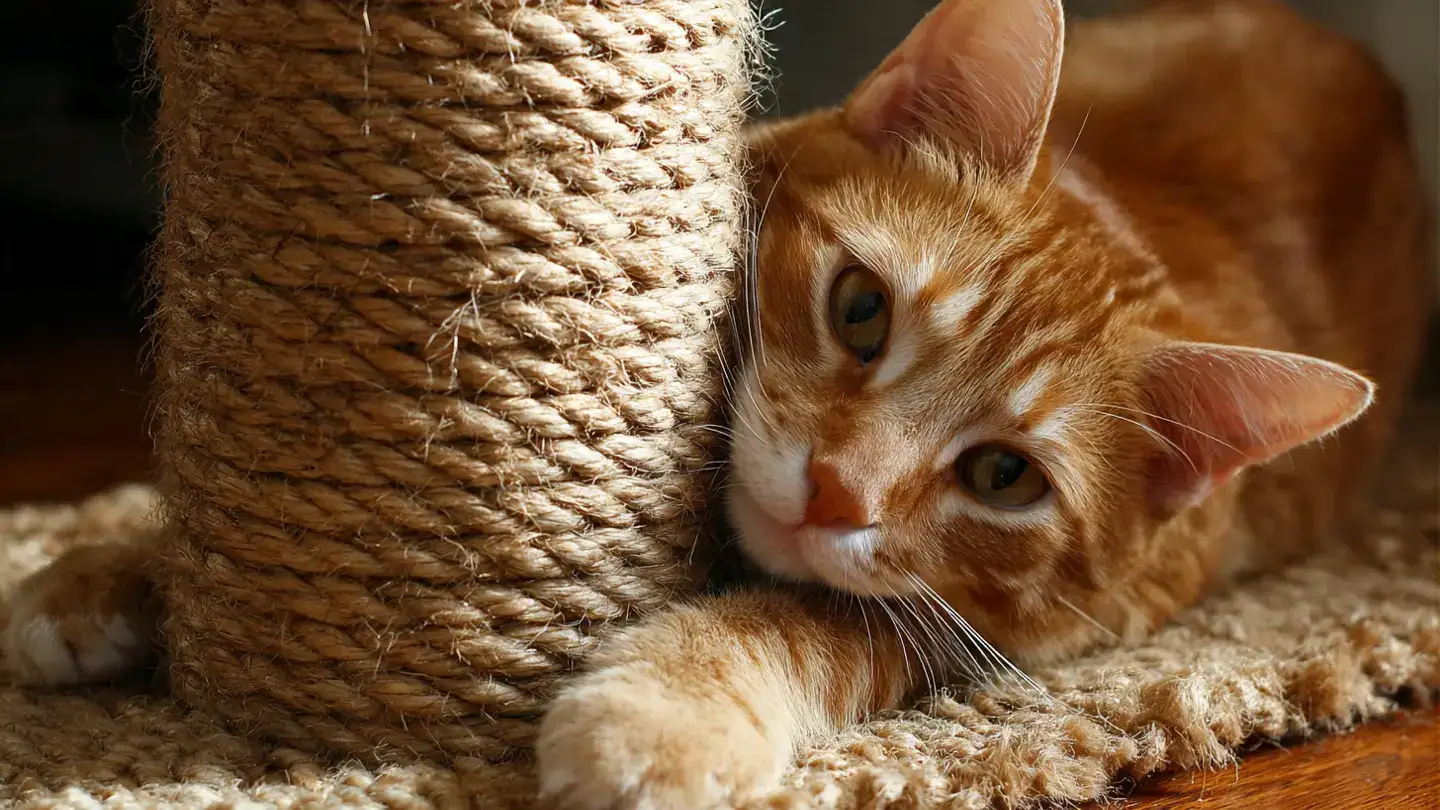
Image Courtesy: Meta AI
Choose the Right Scratching Post
The first step is selecting a post that suits your cat’s preferences. Vertical posts are often preferred by cats who like to stretch fully, while horizontal or angled posts cater to cats that prefer scratching flat surfaces. Ensure the post is stable and tall enough for your cat to stretch comfortably. Materials like sisal or carpet work best, as they mimic natural surfaces and provide satisfying resistance for scratching.Position the Post Strategically
Placement is crucial for success. Cats tend to scratch in areas where they spend the most time or near entrances and favourite resting spots. Position the scratching post close to these areas initially, then gradually move it to a more permanent location once your cat is accustomed. Avoid placing the post in a noisy or high-traffic area, as cats may feel uneasy using it.You may also like
- Summer Curtains: Beat the heat! These stylish curtains will keep your home super cool
- Rajat Sharma's Daughter's Wedding: A Fusion of Cultures and Celebrity
- Reasons our toddler cried this week: This viral social media post is every parent's reality
- 1,700 Rat Fever cases in Coastal Karnataka over 3 years!
- Move over rings, 2026 is all about wrist fashion trend: 5 rules for perfect bracelet stacking, according to jewellery designers
Encourage Positive Associations
Cats respond well to incentives. Sprinkle catnip on the post or attach toys to make it more appealing. Praise and gentle petting when your cat uses the post reinforces the behaviour. Avoid negative reinforcement, such as scolding or spraying water, as this can create fear and hinder learning. Reward-based encouragement ensures the cat views the post as a positive, enjoyable space.Demonstrate and Guide
Sometimes, cats need hands-on guidance. Gently place their paws on the post or mimic scratching motions with their claws to illustrate the intended behaviour. Repeat this several times daily for short intervals rather than long sessions. Over time, the cat will associate the scratching post with its natural scratching instincts.Protect Furniture While Training
During training, cover areas your cat previously scratched with protective materials or double-sided tape to discourage unwanted scratching. Redirect your cat to the post consistently whenever they attempt to scratch elsewhere. Consistency is key; intermittent reinforcement may confuse the cat and slow progress.Maintain the Post and Monitor Progress
Regularly check the scratching post for wear and tear, replacing or cleaning it as needed. A well-maintained post continues to attract the cat, while a damaged or dirty one may lose appeal. Monitor your cat’s behaviour, rewarding frequent use and gradually reducing direct encouragement as the habit becomes established.Be Patient and Adapt
Every cat has a unique personality and pace of learning. Some cats may take only a few days to adopt a post, while others need weeks of patient guidance. Adapting your approach to your cat’s preferences and maintaining a calm, encouraging environment increases the likelihood of success. With time and consistency, using a scratching post can become a natural, enjoyable part of your cat’s daily routine.Image Courtesy: Meta AI






More from our partners


Loving Newspoint? Download the app now
