
Why Phone Calls Cause Anxiety: A Simple Look at Ringtone Phobia

We have all been there. Your phone starts vibrating on the table, a name flashes on the screen, and you simply stare at it until the ringing stops. You aren't busy. You aren't mad at the person calling. Yet, the idea of picking up feels like a monumental task. This collective habit of avoiding calls has become a hallmark of modern life, turning a once essential tool into a source of mild dread.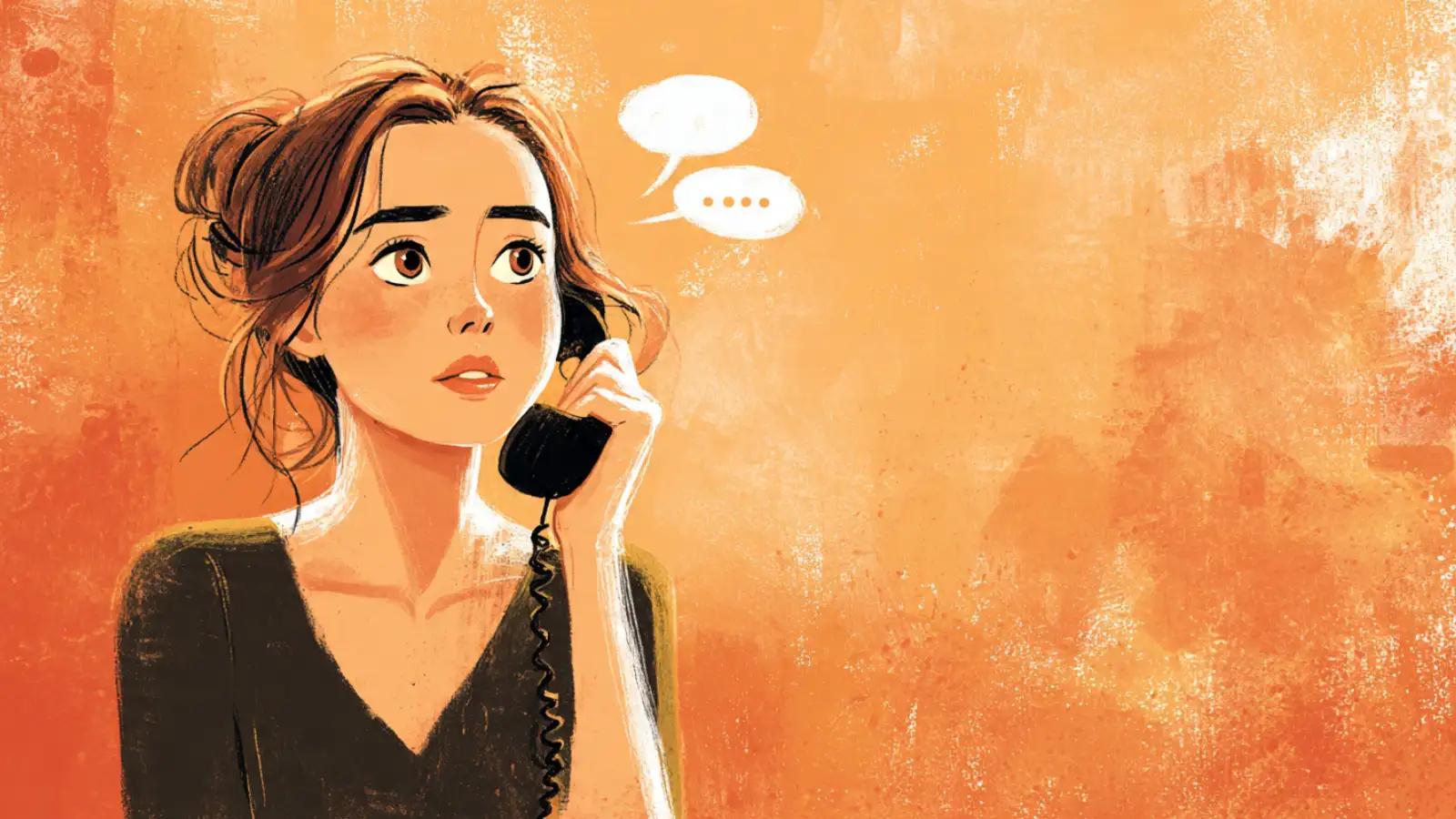
It seems counterintuitive. A phone call that takes two minutes could replace a texting chain that lasts two hours. Logic suggests we should pick up. But human behavior isn't always driven by logic. It is driven by how we feel in the moment, and for many, a phone call feels like an uninvited guest knocking on the front door.
Unlike a text, which sits quietly in your notifications like a sleeping cat, a phone call screams for a response. It forces you to drop your current train of thought and pivot your brain to a different frequency. For many of us, that mental gear shift is exhausting. We avoid the call not because we dislike the person, but because we aren't ready to surrender our current state of mind.
This uncertainty breeds a mild form of anxiety. We worry about how long the call will last or if there will be awkward silences. We fear the commitment of a conversation that has no clear exit strategy. By avoiding the call and sending a text later, we regain control over the narrative and the timeline.
On days when we feel more like a slow moving sloth than a social butterfly, the phone call feels like a marathon we didn't train for. Avoiding the call is a form of self preservation. It is a way of saying that we want to connect, but we need to save our limited energy for the things that truly require our physical voice.
It seems counterintuitive. A phone call that takes two minutes could replace a texting chain that lasts two hours. Logic suggests we should pick up. But human behavior isn't always driven by logic. It is driven by how we feel in the moment, and for many, a phone call feels like an uninvited guest knocking on the front door.
The Intrusiveness of Synchronous Communication
A phone call is a demand for your immediate and undivided attention. When someone calls you, they are essentially saying that their need to talk is more important than whatever you are doing at that moment. In an era where we value our autonomy and our personal space, this can feel like an intrusion.You may also like
- Shoppers love £5 'chub rub' shorts from Stacey Solomon's go-to Amazon brand
- Has Your Aadhaar Not Been Updated in 10 Years? Get It Done for Free by June 14, or You'll Have to Pay!
- Whether it's a Hotel Bill or a New Car: These 17 Tasks Will Remain Incomplete Without a PAN Card
- Indian Man Says 1 Day In Australia Equals 1 Month In India, Life Abroad Comes At A Price
- How Much Monthly Pension Will You Receive After Retirement? Here's How to Calculate Your Pension Yourself
Unlike a text, which sits quietly in your notifications like a sleeping cat, a phone call screams for a response. It forces you to drop your current train of thought and pivot your brain to a different frequency. For many of us, that mental gear shift is exhausting. We avoid the call not because we dislike the person, but because we aren't ready to surrender our current state of mind.
The Fear of the Unknown
When you see a text message, you know exactly what the topic is before you respond. You have the context. A phone call is a mystery box. Is it an emergency? Is it a long story? Is it someone asking for a favor you don't want to do? The lack of an "agenda" for a phone call creates a sense of uncertainty.This uncertainty breeds a mild form of anxiety. We worry about how long the call will last or if there will be awkward silences. We fear the commitment of a conversation that has no clear exit strategy. By avoiding the call and sending a text later, we regain control over the narrative and the timeline.
Conserving Social Energy
We only have a certain amount of social "battery" to spend each day. Talking requires significantly more energy than typing. You have to manage your tone, react to the other person's emotions, and keep the flow going. It is an active process.On days when we feel more like a slow moving sloth than a social butterfly, the phone call feels like a marathon we didn't train for. Avoiding the call is a form of self preservation. It is a way of saying that we want to connect, but we need to save our limited energy for the things that truly require our physical voice.
Conclusion
Avoiding phone calls isn't about being rude or lazy. It is a reflection of how our boundaries have changed in the digital age. We value our mental bandwidth and prefer to engage with others when we feel we can give them our best selves. So, the next time you let it go to voicemail, don't feel guilty. You are just managing your ecosystem in a way that keeps you sane.





More from our partners


Loving Newspoint? Download the app now
