
The Rise of Silent Scrolling Culture and What It Means for Online Behavior

Have you ever opened your phone, started scrolling, and suddenly realized you have been consuming content for quite some time without reacting to anything at all? No likes, no comments, no shares, just endless scrolling. It feels normal now, almost automatic. This quiet habit has slowly become a defining part of how people interact with the internet today.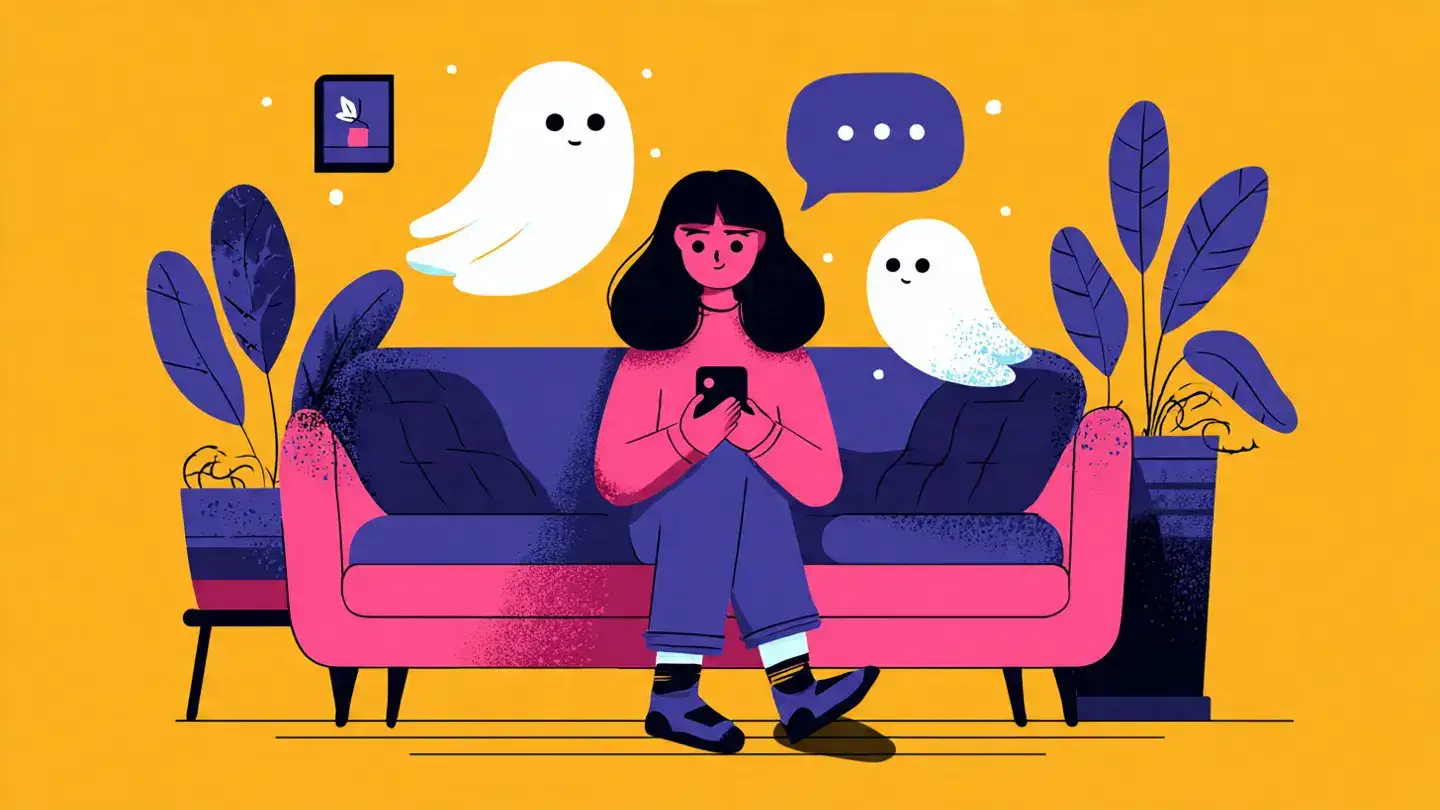
This is what many now call “silent scrolling” culture. It may seem harmless on the surface, but it reflects a deeper shift in how we engage with content, express ourselves, and even process information. In a world that once encouraged constant interaction and visible participation, this silent consumption is quietly taking over.
Understanding this trend matters because it is changing not just how platforms work, but how people connect, think, and even feel online.
In earlier days of social media, engagement was everything. Likes, comments, and shares were seen as the main indicators of interest. Now, a large portion of users prefer to stay in the background. They observe but do not participate openly.
This shift is not about losing interest. In fact, people are consuming more content than ever. The difference lies in how they choose to respond, or rather, not respond.
It becomes a low-effort activity. You simply absorb what you see and move on. There is no need to form an opinion or express it publicly.
Because of this, many people prefer to stay quiet. They would rather consume content privately than risk being judged or misunderstood.
The focus shifts from engagement to speed. The goal becomes to see more in less time. This naturally reduces meaningful interaction and encourages passive consumption.
This subtle shift has made silent scrolling feel normal and even expected.
This creates a disconnect between what people see and what they choose to express. Content may be widely consumed but appear less popular due to fewer interactions.
This changes the nature of online communities. Instead of lively discussions, platforms often feel like one-way streams of content.
The emphasis is now on watch time, retention, and emotional impact rather than just likes and comments.
Over time, this can create a sense of restlessness. People may feel like they have spent time online but gained little from it.
This can reduce the sense of community that social media once provided. Interaction becomes minimal, and relationships feel less personal.
Over time, this can create a habit of holding back opinions, even beyond digital spaces.
When people scroll quickly through large amounts of content, their ability to focus on a single piece of information decreases. The mind gets used to constant movement and variety.
This makes it harder to stay engaged with longer or more detailed content. As a result, short and fast-paced content becomes more appealing, reinforcing the cycle of silent scrolling.
For many, it provides a way to unwind without social pressure. It allows people to stay informed and entertained without the need to actively participate.
There are moments when simply observing feels more comfortable than engaging. In those situations, silent scrolling can be a form of personal space in a highly connected world.
The key lies in balance. When it becomes the default way of interacting with everything online, it starts to limit meaningful engagement.
This is what many now call “silent scrolling” culture. It may seem harmless on the surface, but it reflects a deeper shift in how we engage with content, express ourselves, and even process information. In a world that once encouraged constant interaction and visible participation, this silent consumption is quietly taking over.
Understanding this trend matters because it is changing not just how platforms work, but how people connect, think, and even feel online.
What Is Silent Scrolling Culture?
Silent scrolling refers to the habit of consuming digital content without actively engaging with it. People watch videos, read posts, and swipe through feeds without leaving any visible trace of their presence.In earlier days of social media, engagement was everything. Likes, comments, and shares were seen as the main indicators of interest. Now, a large portion of users prefer to stay in the background. They observe but do not participate openly.
This shift is not about losing interest. In fact, people are consuming more content than ever. The difference lies in how they choose to respond, or rather, not respond.
Why People Are Choosing to Stay Silent
1. The Need for Effortless Consumption
Life has become fast and demanding. Many people turn to social media for quick mental breaks. Silent scrolling allows them to relax without the pressure to think, react, or engage.It becomes a low-effort activity. You simply absorb what you see and move on. There is no need to form an opinion or express it publicly.
2. Fear of Judgment
Online spaces can feel overwhelming. Sharing an opinion or reacting to content often invites scrutiny. Even a simple comment can lead to unwanted attention or disagreement.Because of this, many people prefer to stay quiet. They would rather consume content privately than risk being judged or misunderstood.
3. Content Overload
There is an endless stream of content available at all times. With so much to see, people rarely feel the need to stop and interact.The focus shifts from engagement to speed. The goal becomes to see more in less time. This naturally reduces meaningful interaction and encourages passive consumption.
4. Changing Social Media Behavior
Digital habits are evolving. Earlier, social media felt like a place to express yourself openly. Now, it often feels more like a space to observe trends, gather information, or simply pass time.This subtle shift has made silent scrolling feel normal and even expected.
How Silent Scrolling Is Changing Online Engagement
Decline in Visible Interaction
One of the biggest impacts of silent scrolling is the drop in visible engagement. Posts may reach a large audience, but reactions do not always reflect that reach.This creates a disconnect between what people see and what they choose to express. Content may be widely consumed but appear less popular due to fewer interactions.
Rise of Passive Consumption
Passive consumption has become a dominant behavior. People are constantly absorbing information without actively participating in conversations.This changes the nature of online communities. Instead of lively discussions, platforms often feel like one-way streams of content.
Shift in Content Strategy
Creators and brands are also adapting to this trend. Since engagement is less visible, they focus more on creating content that holds attention rather than encouraging interaction.The emphasis is now on watch time, retention, and emotional impact rather than just likes and comments.
The Psychological Side of Silent Scrolling
Mental Fatigue and Overstimulation
Constant scrolling can lead to mental fatigue. Even though it feels relaxing, the brain is processing a large amount of information in a short time.Over time, this can create a sense of restlessness. People may feel like they have spent time online but gained little from it.
Emotional Detachment
When users consume content silently, they often remain emotionally detached. They see, process, and move on without forming deeper connections.This can reduce the sense of community that social media once provided. Interaction becomes minimal, and relationships feel less personal.
Reduced Self-Expression
Silent scrolling also affects how people express themselves. Many users choose not to share their thoughts or reactions, which limits personal expression.Over time, this can create a habit of holding back opinions, even beyond digital spaces.
Silent Scrolling and Attention Span
Another important aspect of this culture is its effect on attention span.When people scroll quickly through large amounts of content, their ability to focus on a single piece of information decreases. The mind gets used to constant movement and variety.
This makes it harder to stay engaged with longer or more detailed content. As a result, short and fast-paced content becomes more appealing, reinforcing the cycle of silent scrolling.
You may also like
- Why More Couples Are Saying Yes to Marriage but No to Kids
- The Health Benefits of Garlic and How to Consume It Properly
- Man runs into hailstorm to rescue calf, video draws widespread attention
- Transform Your Life with Turmeric Water: Benefits You Can't Ignore
- Non-Stick Pans: That tiny scratch on your pan is dangerous. Find out why.
Is Silent Scrolling Always a Bad Thing?
It is easy to assume that silent scrolling is entirely negative, but that is not always the case.For many, it provides a way to unwind without social pressure. It allows people to stay informed and entertained without the need to actively participate.
There are moments when simply observing feels more comfortable than engaging. In those situations, silent scrolling can be a form of personal space in a highly connected world.
The key lies in balance. When it becomes the default way of interacting with everything online, it starts to limit meaningful engagement.
Finding a Healthier Digital Balance
Becoming More Mindful
Being aware of scrolling habits is the first step. Noticing how much time is spent and how it feels afterward can help in making better choices.Intentional Engagement
Instead of reacting to everything, people can choose moments that truly matter to them. Thoughtful interaction can bring back a sense of connection.Taking Breaks
Stepping away from constant scrolling can help reset attention and reduce mental fatigue. Even short breaks can make a difference.





More from our partners


Loving Newspoint? Download the app now
