
Unlock Your Parrot’s Voice: A Practical Guide To Teaching Your Bird To Talk With Patience And Care

Teaching a bird to talk is one of the most rewarding experiences for bird owners. While not every species can mimic human speech, many parrots and companion birds are capable of learning words and phrases with the right approach. Success depends on patience, consistency and understanding natural bird behaviour. Rather than forcing repetition, effective talking parrot training focuses on trust and positive interaction. When done correctly, the process strengthens your bond and keeps your pet mentally stimulated. With structure and realistic expectations, you can guide your feathered companion towards clear and confident vocal communication.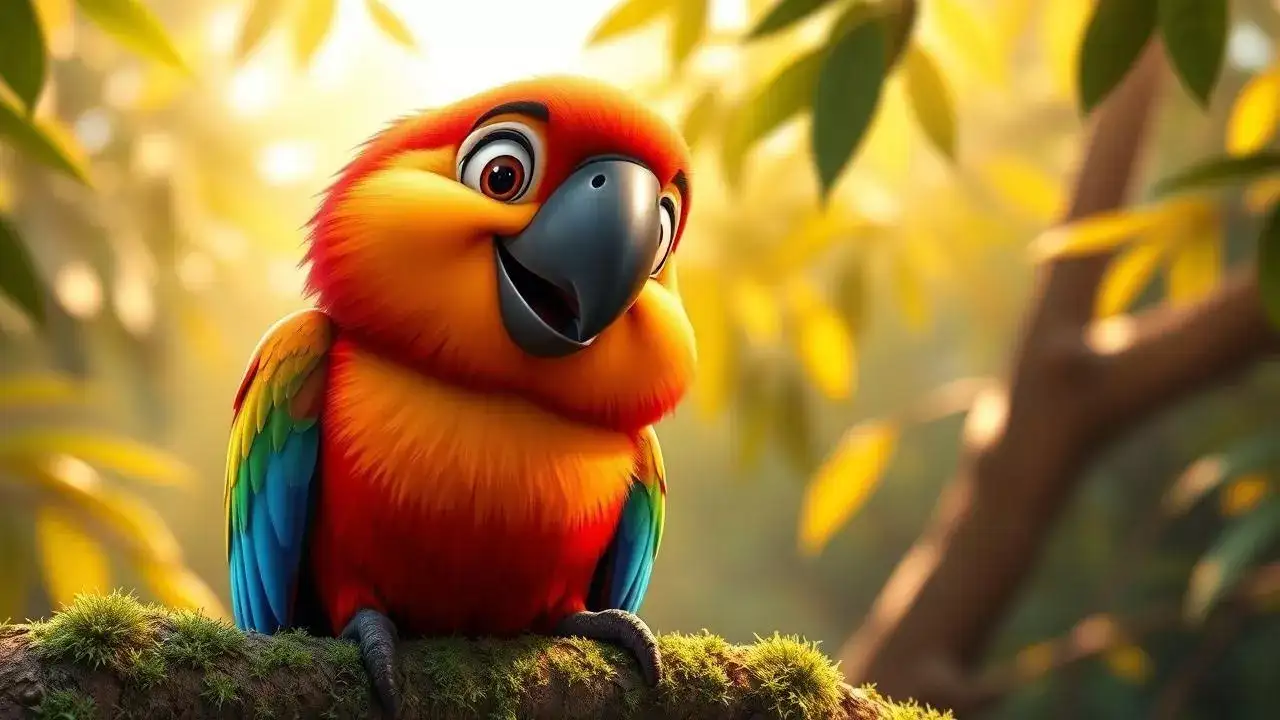
Even within the same species, some birds are naturally more vocal than others. Age can also influence learning. Younger birds often adapt more quickly to new sounds, though older birds can still learn with patience.
It is essential to recognise that talking is a form of mimicry rather than true language comprehension. Birds repeat sounds they hear frequently, especially when those sounds are linked with attention or positive reinforcement.
Speak gently and consistently during daily routines such as feeding or cage cleaning. Make eye contact and maintain a relaxed tone. When your bird associates your voice with safety and comfort, it becomes more receptive to imitation.
Avoid loud or chaotic environments during early training sessions. A quiet space helps your bird focus on specific words and reduces distractions.
Consistency strengthens learning. If you greet your bird with “hello” each time you enter the room, the association between your arrival and the word becomes stronger. Birds are more likely to repeat words that trigger a reaction or attention.
Keep training sessions short, ideally five to ten minutes, repeated several times a day. Overly long sessions may cause boredom or frustration.
Avoid punishment or negative reactions. Birds respond poorly to scolding and may become withdrawn. Encouragement builds confidence and motivates further attempts.
Some owners use recorded phrases, but live interaction is generally more effective. Birds often mimic voices they feel emotionally connected to, so direct communication carries greater impact.
Repeat the same words during consistent activities. For example, say “good night” before covering the cage. Over time, your bird may begin to repeat the phrase in anticipation.
Limiting the number of new words introduced at once prevents confusion. Focus on one or two words until your bird begins to imitate them clearly before expanding vocabulary.
Interactive toys, mirrors and safe climbing structures provide mental stimulation, supporting overall pet bird care . A stimulated bird is more alert and responsive during training sessions.
Engaging your bird in conversation rather than simply repeating words can also encourage mimicry. Ask simple questions and respond enthusiastically to chirps or sounds, even if they are not yet recognisable words.
It is important not to compare your bird with others. Celebrate small improvements, such as clearer sounds or consistent syllables. Progress may be gradual but meaningful.
Remember that talking ability does not define a healthy or happy bird. Many birds form strong bonds and display engaging personalities without ever speaking. The goal is enrichment and connection rather than performance.
Environmental stressors such as extreme temperature changes or excessive noise can affect vocal behaviour. Maintaining stable surroundings enhances comfort and focus.
Incorporating structured talking parrot training into daily interaction strengthens your bond and enriches your bird’s life. With patience, repetition and positive reinforcement, teaching a parrot words becomes an enjoyable shared experience. By respecting natural behaviour and maintaining consistent routines, you create the ideal conditions for your feathered companion to find its voice and perhaps surprise you with its first clear word.
Understand Which Birds Are Likely To Talk
Before beginning bird behaviour training , it is important to understand that not all birds will speak. Parrots are among the most skilled mimics. Species such as African greys, budgerigars, cockatiels and Amazon parrots are known for their vocal abilities. However, individual personality plays a significant role.Even within the same species, some birds are naturally more vocal than others. Age can also influence learning. Younger birds often adapt more quickly to new sounds, though older birds can still learn with patience.
It is essential to recognise that talking is a form of mimicry rather than true language comprehension. Birds repeat sounds they hear frequently, especially when those sounds are linked with attention or positive reinforcement.
Build Trust Before Teaching Words
Trust forms the foundation of how to teach your bird to talk . A stressed or fearful bird is unlikely to focus on learning. Spend time interacting calmly with your pet before beginning formal training.Speak gently and consistently during daily routines such as feeding or cage cleaning. Make eye contact and maintain a relaxed tone. When your bird associates your voice with safety and comfort, it becomes more receptive to imitation.
Avoid loud or chaotic environments during early training sessions. A quiet space helps your bird focus on specific words and reduces distractions.
Start With Simple And Meaningful Words
When teaching a parrot's words, begin with short, clear phrases such as “hello”, “good morning” or your bird’s name. Repetition is key. Say the chosen word clearly and enthusiastically several times in a row, especially during moments of excitement or routine.Consistency strengthens learning. If you greet your bird with “hello” each time you enter the room, the association between your arrival and the word becomes stronger. Birds are more likely to repeat words that trigger a reaction or attention.
Keep training sessions short, ideally five to ten minutes, repeated several times a day. Overly long sessions may cause boredom or frustration.
Use Positive Reinforcement Techniques
Positive reinforcement is central to effective parrot training tips . Reward attempts at vocalisation, even if the sound is not perfect. Offer praise, a favourite treat or gentle attention when your bird makes progress.Avoid punishment or negative reactions. Birds respond poorly to scolding and may become withdrawn. Encouragement builds confidence and motivates further attempts.
Some owners use recorded phrases, but live interaction is generally more effective. Birds often mimic voices they feel emotionally connected to, so direct communication carries greater impact.
Maintain A Consistent Routine
Routine plays a vital role in bird behaviour training. Birds thrive on predictability. Set aside specific times each day for talking parrot training. Morning and evening are often ideal, as birds tend to be most alert during these periods.Repeat the same words during consistent activities. For example, say “good night” before covering the cage. Over time, your bird may begin to repeat the phrase in anticipation.
Limiting the number of new words introduced at once prevents confusion. Focus on one or two words until your bird begins to imitate them clearly before expanding vocabulary.
Encourage Social Interaction And Mental Stimulation
Talking is closely linked to social engagement. Birds that feel isolated may vocalise less. Position the cage in an area where your bird can observe daily household activity without being overwhelmed.Interactive toys, mirrors and safe climbing structures provide mental stimulation, supporting overall pet bird care . A stimulated bird is more alert and responsive during training sessions.
Engaging your bird in conversation rather than simply repeating words can also encourage mimicry. Ask simple questions and respond enthusiastically to chirps or sounds, even if they are not yet recognisable words.
Be Patient And Manage Expectations
Understanding how to teach your bird to talk requires patience. Some birds may begin mimicking within weeks, while others may take months. There is no guaranteed timeline.It is important not to compare your bird with others. Celebrate small improvements, such as clearer sounds or consistent syllables. Progress may be gradual but meaningful.
Remember that talking ability does not define a healthy or happy bird. Many birds form strong bonds and display engaging personalities without ever speaking. The goal is enrichment and connection rather than performance.
Monitor Health And Environment
A healthy bird is more likely to learn effectively. Ensure your pet receives a balanced diet, clean water and a hygienic cage environment. Regular veterinary check ups support overall wellbeing.Environmental stressors such as extreme temperature changes or excessive noise can affect vocal behaviour. Maintaining stable surroundings enhances comfort and focus.
Incorporating structured talking parrot training into daily interaction strengthens your bond and enriches your bird’s life. With patience, repetition and positive reinforcement, teaching a parrot words becomes an enjoyable shared experience. By respecting natural behaviour and maintaining consistent routines, you create the ideal conditions for your feathered companion to find its voice and perhaps surprise you with its first clear word.
Next Story