Is Your Vegetarian Diet Truly Healthy? Dr. Mickey Mehta Explains the Sattvic Difference

In a world where plant-based living is more popular than ever, many of us assume that cutting out meat automatically makes our diet "pure" or "clean." However, holistic health guru Dr. Mickey Mehta is here to set the record straight. While we often use the terms interchangeably, being a vegetarian and following a sattvic diet are actually two very different things. In his latest myth-busting session, Dr. Mehta explains that just because a meal doesn't contain animal products, it doesn't mean it’s doing wonders for your consciousness or your health.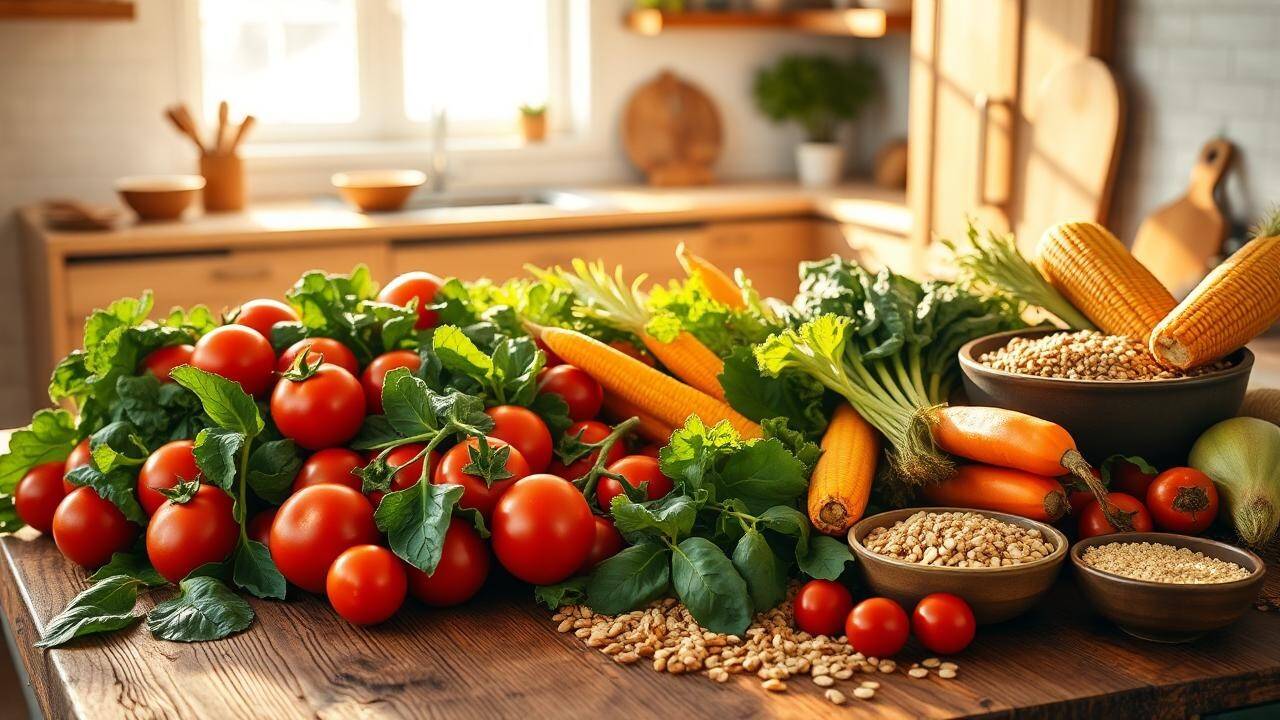
The Hidden Truth Behind the Vegetarian Label
When we think of a vegetarian diet , we usually focus on what is missing from the plate—specifically meat, fish, and poultry. But Dr. Mickey Mehta points out that you can be a vegetarian and still eat a diet loaded with junk. If your daily meals consist of greasy fast food, sugary treats, and heavy sodas, you are still technically a vegetarian, but you are far from achieving a sattvic state. A vegetarian diet is simply a category of food, whereas a sattvic diet is a philosophy of life that prioritizes vitality, clarity, and peace.
What Actually Makes a Meal Sattvic?
According to Dr. Mickey Mehta, the core of sattvic living is about energy and purity. A sattvic diet consists of foods that are fresh, light, and easy to digest. These are the "living foods" that nourish not just the body, but also the mind. Dr. Mehta explains that for food to be truly sattvic, it should be cooked with love and eaten soon after preparation. This is why a simple bowl of dal chawal is often considered the gold standard of sattvic nutrition. It is wholesome, balanced, and brings a sense of calm to the system, unlike many modern vegetarian options.
One of the biggest common myths Dr. Mickey Mehta busts is the idea that "meat-free" fast food is healthy. Take a vegetarian pizza, for example. Even though it has no meat, the refined flour (maida), heavy processing, and high salt content move it away from being sattvic. Dr. Mehta emphasizes that a vegetarian diet can often be "tamasic" (heavy and dulling) or "rajasic" (over-stimulating and agitating). "Vegetarian doesn't mean sattvic," he explains, highlighting that if a food makes you feel sluggish or irritable, it lacks the sattvic quality of harmony.
Consciousness and the Way We Eat
Dr. Mickey Mehta’s philosophy goes deeper than just the ingredients on the plate. He suggests that a sattvic diet is inextricably linked to our consciousness. While a basic vegetarian diet might be chosen for ethical or environmental reasons, sattvic eating is about choosing foods that enhance our "prana" or life force. By opting for fresh fruits, vegetables, whole grains, and nuts, we align ourselves with a more mindful way of living. As Dr. Mehta puts it, choosing a sattvic path means choosing a lifestyle that promotes "clarity, tranquility, and spiritual growth."
So, how do you bridge the gap between a standard vegetarian diet and a truly sattvic one? Dr. Mickey Mehta suggests starting with the basics. Focus on seasonal produce, minimize frozen or canned goods, and try to eat meals that are freshly cooked. Remember, being a vegetarian is the first step for many, but the ultimate goal is to reach a sattvic state where your food serves as medicine for the soul. By listening to Dr. Mehta’s wisdom and avoiding these common myths, you can transform your kitchen into a space of healing and high energy.
The Hidden Truth Behind the Vegetarian Label
When we think of a vegetarian diet , we usually focus on what is missing from the plate—specifically meat, fish, and poultry. But Dr. Mickey Mehta points out that you can be a vegetarian and still eat a diet loaded with junk. If your daily meals consist of greasy fast food, sugary treats, and heavy sodas, you are still technically a vegetarian, but you are far from achieving a sattvic state. A vegetarian diet is simply a category of food, whereas a sattvic diet is a philosophy of life that prioritizes vitality, clarity, and peace.What Actually Makes a Meal Sattvic?
According to Dr. Mickey Mehta, the core of sattvic living is about energy and purity. A sattvic diet consists of foods that are fresh, light, and easy to digest. These are the "living foods" that nourish not just the body, but also the mind. Dr. Mehta explains that for food to be truly sattvic, it should be cooked with love and eaten soon after preparation. This is why a simple bowl of dal chawal is often considered the gold standard of sattvic nutrition. It is wholesome, balanced, and brings a sense of calm to the system, unlike many modern vegetarian options.You may also like
 Drought continues to impact millions in Somalia: UN
- "Rahul Gandhi is anti-India leader": MoS Shobha Karandlaje slams Lok Sabha LoP over his remarks in Germany
- India proud to stand by Sri Lanka during Cyclone Ditwah: EAM Jaishankar
 Congress President Mallikarjun Kharge pays tribute on PV Narsimha Rao's death anniversary
- Stranger Things Season 5 Volume 2: Episodes runtime, plot, cast, OTT release date and time in India
Why Your Veggie Pizza Isn’t Sattvic
One of the biggest common myths Dr. Mickey Mehta busts is the idea that "meat-free" fast food is healthy. Take a vegetarian pizza, for example. Even though it has no meat, the refined flour (maida), heavy processing, and high salt content move it away from being sattvic. Dr. Mehta emphasizes that a vegetarian diet can often be "tamasic" (heavy and dulling) or "rajasic" (over-stimulating and agitating). "Vegetarian doesn't mean sattvic," he explains, highlighting that if a food makes you feel sluggish or irritable, it lacks the sattvic quality of harmony.
Consciousness and the Way We Eat
Dr. Mickey Mehta’s philosophy goes deeper than just the ingredients on the plate. He suggests that a sattvic diet is inextricably linked to our consciousness. While a basic vegetarian diet might be chosen for ethical or environmental reasons, sattvic eating is about choosing foods that enhance our "prana" or life force. By opting for fresh fruits, vegetables, whole grains, and nuts, we align ourselves with a more mindful way of living. As Dr. Mehta puts it, choosing a sattvic path means choosing a lifestyle that promotes "clarity, tranquility, and spiritual growth."
Practical Tips for a Sattvic Lifestyle
So, how do you bridge the gap between a standard vegetarian diet and a truly sattvic one? Dr. Mickey Mehta suggests starting with the basics. Focus on seasonal produce, minimize frozen or canned goods, and try to eat meals that are freshly cooked. Remember, being a vegetarian is the first step for many, but the ultimate goal is to reach a sattvic state where your food serves as medicine for the soul. By listening to Dr. Mehta’s wisdom and avoiding these common myths, you can transform your kitchen into a space of healing and high energy.






More from our partners


Loving Newspoint? Download the app now
