
How Much Protein Do You Need Every Day? A Complete Guide to Daily Requirements

Have you ever wondered if you are getting enough protein in your diet? It is a question that pops up a lot, especially with the rise of high protein diets and fitness trends. While protein is famous for building muscle, its role in your body goes way beyond the gym. From repairing tissues to keeping your immune system strong, protein is the building block of life. But how much protein do you need every day to stay healthy? Let us dive into the details and find the right balance for your lifestyle.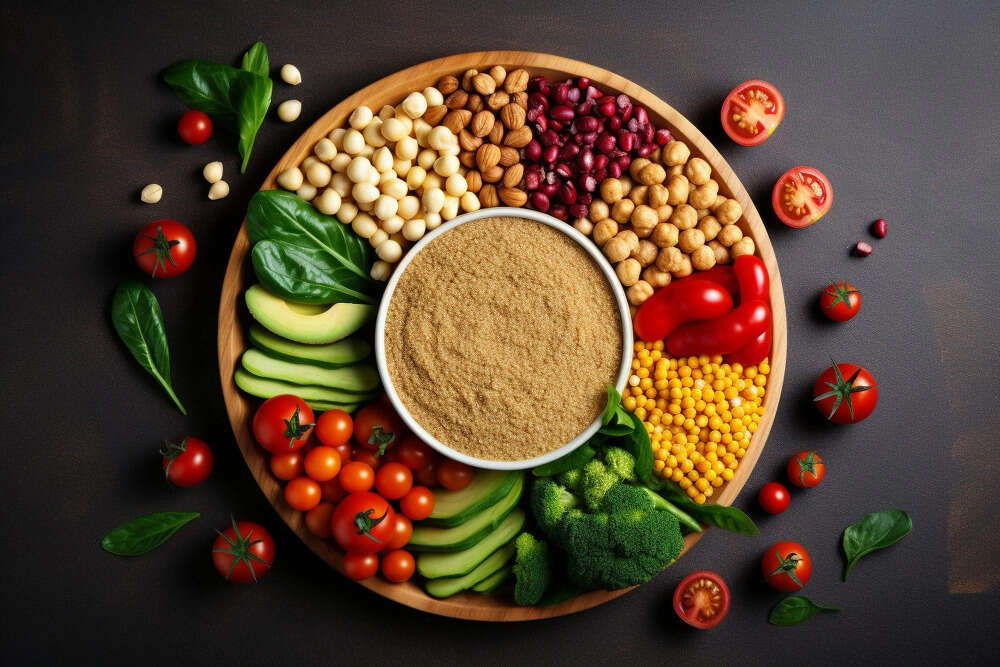
It is important to remember that the Recommended Daily Allowance is actually the minimum amount you need to keep from getting sick. It is not necessarily the optimal amount for everyone. Factors like your age, activity level, and overall health goals can change how much protein you need every day. For most people, between 10% and 35% of daily calories should come from protein to maintain a healthy body.
Athletes might need anywhere from 1.2 to 2.0 grams of protein per kilogram of body weight. This extra protein helps with recovery and ensures that your body has enough fuel to perform at its best. If you are active, knowing how much protein do you need every day becomes a key part of your fitness strategy. It ensures you are supporting your hard work with the right nutrition.
Keeping your muscles strong is vital for balance and preventing falls as you get older. When considering how much protein do you need every day, age is a major factor. Spreading your protein intake throughout the day, rather than eating it all in one meal, can also help your body process it more effectively. This simple habit can make a big difference in maintaining your quality of life.
"Listen to what your grandma always said: eat a balanced diet, rich in fruits, nuts, grains, vegetables, and dairy and meat products," says one expert on the topic. A balanced diet usually provides more than enough protein for the average person. By mixing animal and plant based proteins, you get a wide variety of nutrients that support your heart and overall health.
The goal is to find a sustainable balance. Instead of focusing solely on protein, look at your whole plate. If you are meeting your daily goals through fresh, whole foods, you are likely in a great spot. Understanding how much protein do you need every day is about listening to your body and adjusting based on how you feel and your specific health needs.
Decoding the Recommended Daily Allowance for Protein
When we talk about protein needs, the first thing most experts point to is the Recommended Daily Allowance. For a healthy adult, the standard recommendation is 0.8 grams of protein per kilogram of body weight. If you prefer pounds, that is about 0.36 grams of protein for every pound you weigh. For a person weighing 150 pounds, this means aiming for roughly 54 grams of protein per day.It is important to remember that the Recommended Daily Allowance is actually the minimum amount you need to keep from getting sick. It is not necessarily the optimal amount for everyone. Factors like your age, activity level, and overall health goals can change how much protein you need every day. For most people, between 10% and 35% of daily calories should come from protein to maintain a healthy body.
Why Your Activity Level Changes Your Protein Needs
If you are someone who hits the gym regularly or has a physically demanding job, your protein requirements will be different from someone with a sedentary lifestyle. Physical activity puts stress on your muscles, and protein is what helps them repair and grow. People who engage in regular strength training or endurance sports often need more than the standard 0.8 grams per kilogram.Athletes might need anywhere from 1.2 to 2.0 grams of protein per kilogram of body weight. This extra protein helps with recovery and ensures that your body has enough fuel to perform at its best. If you are active, knowing how much protein do you need every day becomes a key part of your fitness strategy. It ensures you are supporting your hard work with the right nutrition.
Protein and Aging: Why It Matters More as We Grow Older
As we age, our bodies change, and so do our nutritional requirements. One common issue for older adults is sarcopenia, which is the natural loss of muscle mass and strength over time. To combat this, many nutritionists suggest that older adults should increase their protein intake. Research indicates that consuming 1.2 to 1.5 grams of protein per kilogram of body weight can help preserve muscle and keep you mobile.Keeping your muscles strong is vital for balance and preventing falls as you get older. When considering how much protein do you need every day, age is a major factor. Spreading your protein intake throughout the day, rather than eating it all in one meal, can also help your body process it more effectively. This simple habit can make a big difference in maintaining your quality of life.
Choosing the Best Protein Sources for Your Plate
It is not just about the quantity; the quality of your protein matters too. While meat and poultry are well known sources, there are plenty of other ways to reach your goals. Fish, eggs, and dairy products like Greek yogurt or cottage cheese are excellent options. If you prefer a plant based approach, beans, lentils, nuts, and seeds are fantastic choices that also provide fiber."Listen to what your grandma always said: eat a balanced diet, rich in fruits, nuts, grains, vegetables, and dairy and meat products," says one expert on the topic. A balanced diet usually provides more than enough protein for the average person. By mixing animal and plant based proteins, you get a wide variety of nutrients that support your heart and overall health.
Can You Eat Too Much Protein?
While protein is essential, it is possible to have too much of a good thing. For most healthy people, eating a bit more protein than recommended is perfectly safe. However, consistently consuming very high amounts like more than 2.5 grams per kilogram might not offer extra benefits and could potentially strain your kidneys over time if you have underlying issues.The goal is to find a sustainable balance. Instead of focusing solely on protein, look at your whole plate. If you are meeting your daily goals through fresh, whole foods, you are likely in a great spot. Understanding how much protein do you need every day is about listening to your body and adjusting based on how you feel and your specific health needs.
Next Story