
What We Never Say Out Loud but Feel Every Day Inside

There are things we say out loud, and then there are things we carry quietly within us. The truth is, a large part of human experience lives in that silent space. These are the thoughts we hesitate to voice, the emotions we struggle to explain, and the feelings we assume no one else would understand. Yet, almost everyone experiences them.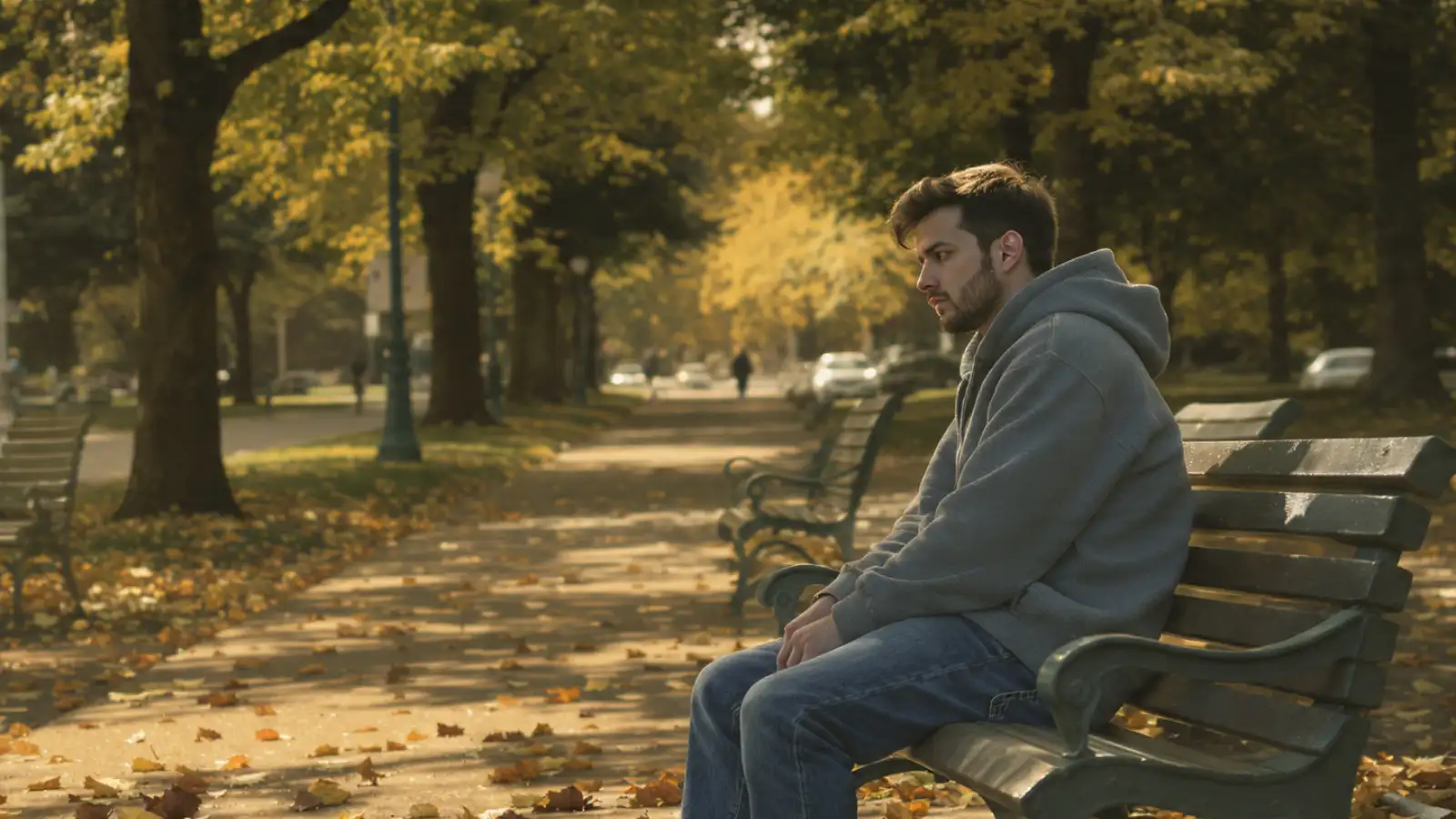
This topic matters because understanding these unspoken emotions helps us connect better with ourselves and others. When we recognize that many of our deepest feelings are shared, even if they are rarely spoken, it becomes easier to navigate relationships, self-doubt, and everyday life with more empathy and awareness.
Let’s explore these silent emotional truths that people rarely say, but almost always feel.
In everyday conversations, we tend to simplify our thoughts to make them easier to explain. But what remains unsaid is often far more complex. This creates a subtle gap between what we feel and what others perceive.
Many people walk around carrying this invisible weight, hoping that someone will eventually understand them without needing too many words. It is not about attention. It is about connection.
People compare themselves constantly, even when they know they should not. They wonder if they are doing enough, achieving enough, or simply being enough. This feeling does not always come from failure. Sometimes, it exists even in moments of success.
What makes this emotion powerful is its silence. Because it is not openly discussed, many believe they are alone in feeling this way, which only deepens the insecurity.
This need often hides behind casual behavior. People may act indifferent, but inside, they are hoping someone notices their effort, their presence, or their struggle.
This silent emotional need shapes many interactions. It is why people remember how they were made to feel, even when they forget what was actually said.
Most people have moments where they feel overwhelmed, confused, or emotionally drained. Yet, instead of expressing it, they choose to maintain a composed exterior.
This is not always about hiding weakness. Sometimes, it is about not wanting to burden others. Other times, it is simply because they do not know how to put their feelings into words.
The result is a quiet internal struggle that goes unnoticed by the outside world.
Small moments carry deeper meaning. A delayed response, a missed call, or a lack of attention can feel more significant than it seems. Not because of the action itself, but because of what it represents emotionally.
This silent desire is tied to belonging. It reflects a deeper need to feel secure in relationships, whether personal or professional.
Being independent does not mean people do not feel lonely. Many individuals learn to handle things on their own, but that does not remove the need for support or companionship.
This creates an internal conflict. On one hand, there is pride in managing life independently. On the other hand, there is a quiet longing for someone to share that journey with.
This feeling is rarely discussed because it can seem contradictory, but it is deeply human.
What remains unspoken tends to grow over time. It becomes a quiet memory that surfaces in unexpected moments. People replay conversations in their heads, imagining what they could have said differently.
This silent regret is common, yet rarely shared openly. It reflects the human tendency to hold back, often out of fear, uncertainty, or timing.
What is rarely said is how fragile this sense of control can feel. Even when things appear stable on the outside, there is often an underlying awareness that things can change at any moment.
This creates a quiet tension. People plan, organize, and prepare, not just for success, but to manage the fear of uncertainty.
People may not always express it directly, but it exists in the background of everyday life. It is what keeps them moving forward, even during difficult times.
This hope does not always come with certainty. It is often quiet, subtle, and persistent. It shows up in small efforts, in trying again, and in choosing to believe that things will improve.
This topic matters because understanding these unspoken emotions helps us connect better with ourselves and others. When we recognize that many of our deepest feelings are shared, even if they are rarely spoken, it becomes easier to navigate relationships, self-doubt, and everyday life with more empathy and awareness.
Let’s explore these silent emotional truths that people rarely say, but almost always feel.
The Constant Need to Be Understood
One of the most common unspoken emotions is the quiet desire to be truly understood. People may talk, share, and express themselves, but deep down, there is often a lingering feeling that others only grasp the surface.In everyday conversations, we tend to simplify our thoughts to make them easier to explain. But what remains unsaid is often far more complex. This creates a subtle gap between what we feel and what others perceive.
Many people walk around carrying this invisible weight, hoping that someone will eventually understand them without needing too many words. It is not about attention. It is about connection.
The Fear of Not Being Enough
Even the most confident-looking individuals often carry an internal voice that questions their worth. This is rarely spoken openly, yet it quietly influences decisions, behavior, and self-perception.People compare themselves constantly, even when they know they should not. They wonder if they are doing enough, achieving enough, or simply being enough. This feeling does not always come from failure. Sometimes, it exists even in moments of success.
What makes this emotion powerful is its silence. Because it is not openly discussed, many believe they are alone in feeling this way, which only deepens the insecurity.
The Need for Validation Without Asking for It
Everyone wants to feel valued. But very few people openly ask for validation. Instead, they look for subtle signs. A small acknowledgment, a kind word, or even a gesture can mean more than it appears on the surface.This need often hides behind casual behavior. People may act indifferent, but inside, they are hoping someone notices their effort, their presence, or their struggle.
This silent emotional need shapes many interactions. It is why people remember how they were made to feel, even when they forget what was actually said.
The Pressure to Appear Fine
There is an unspoken rule in many social situations. People are expected to say they are fine, even when they are not. This creates a culture where honesty about emotions becomes difficult.Most people have moments where they feel overwhelmed, confused, or emotionally drained. Yet, instead of expressing it, they choose to maintain a composed exterior.
This is not always about hiding weakness. Sometimes, it is about not wanting to burden others. Other times, it is simply because they do not know how to put their feelings into words.
The result is a quiet internal struggle that goes unnoticed by the outside world.
The Desire to Be Chosen
Deep down, people want to feel important to someone. They want to feel chosen, not as an option, but as a priority. This is rarely expressed directly, yet it influences how people interpret actions and relationships.Small moments carry deeper meaning. A delayed response, a missed call, or a lack of attention can feel more significant than it seems. Not because of the action itself, but because of what it represents emotionally.
This silent desire is tied to belonging. It reflects a deeper need to feel secure in relationships, whether personal or professional.
The Struggle Between Independence and Loneliness
People often talk about being independent and self-sufficient. While this is valued, there is also an unspoken side to it.Being independent does not mean people do not feel lonely. Many individuals learn to handle things on their own, but that does not remove the need for support or companionship.
This creates an internal conflict. On one hand, there is pride in managing life independently. On the other hand, there is a quiet longing for someone to share that journey with.
This feeling is rarely discussed because it can seem contradictory, but it is deeply human.
The Regret of Things Left Unsaid
There are moments in life where people wish they had spoken up. Whether it is expressing feelings, sharing thoughts, or simply saying something meaningful, these missed opportunities often stay in the mind longer than expected.You may also like
- Observation test: Only kids with sharp focus can spot the odd number among 8s
- TOI Ecopreneur Awards 2026: Recognising India's green changemakers—Nominations now open
- Why More Couples Are Saying Yes to Marriage but No to Kids
- The Health Benefits of Garlic and How to Consume It Properly
- Man runs into hailstorm to rescue calf, video draws widespread attention
What remains unspoken tends to grow over time. It becomes a quiet memory that surfaces in unexpected moments. People replay conversations in their heads, imagining what they could have said differently.
This silent regret is common, yet rarely shared openly. It reflects the human tendency to hold back, often out of fear, uncertainty, or timing.
The Need to Feel in Control
Life is unpredictable, and that uncertainty can be unsettling. Many people cope by trying to maintain a sense of control over their surroundings, decisions, and future.What is rarely said is how fragile this sense of control can feel. Even when things appear stable on the outside, there is often an underlying awareness that things can change at any moment.
This creates a quiet tension. People plan, organize, and prepare, not just for success, but to manage the fear of uncertainty.
The Hope That Things Will Get Better
Despite all the unspoken fears and struggles, there is one silent emotion that remains strong. It is hope.People may not always express it directly, but it exists in the background of everyday life. It is what keeps them moving forward, even during difficult times.
This hope does not always come with certainty. It is often quiet, subtle, and persistent. It shows up in small efforts, in trying again, and in choosing to believe that things will improve.






More from our partners


Loving Newspoint? Download the app now
