
Valentine’s Day 2026: How Young Indians Are Redefining Love Beyond Romance

Valentine’s Day 2026 is arriving at a moment when young Indians are quietly reshaping what love means in their everyday lives. For a generation that has grown up amid rapid social change, rising work pressures and constant digital connection, romance is no longer the sole centrepiece of 14 February. Instead, love is being understood in broader, more grounded ways that prioritise emotional safety, self-worth, friendship and chosen families. From celebrating personal milestones to honouring platonic bonds, today’s youth are expanding the idea of love beyond candlelit dinners and red roses, reflecting deeper cultural shifts in how relationships are formed, sustained and valued.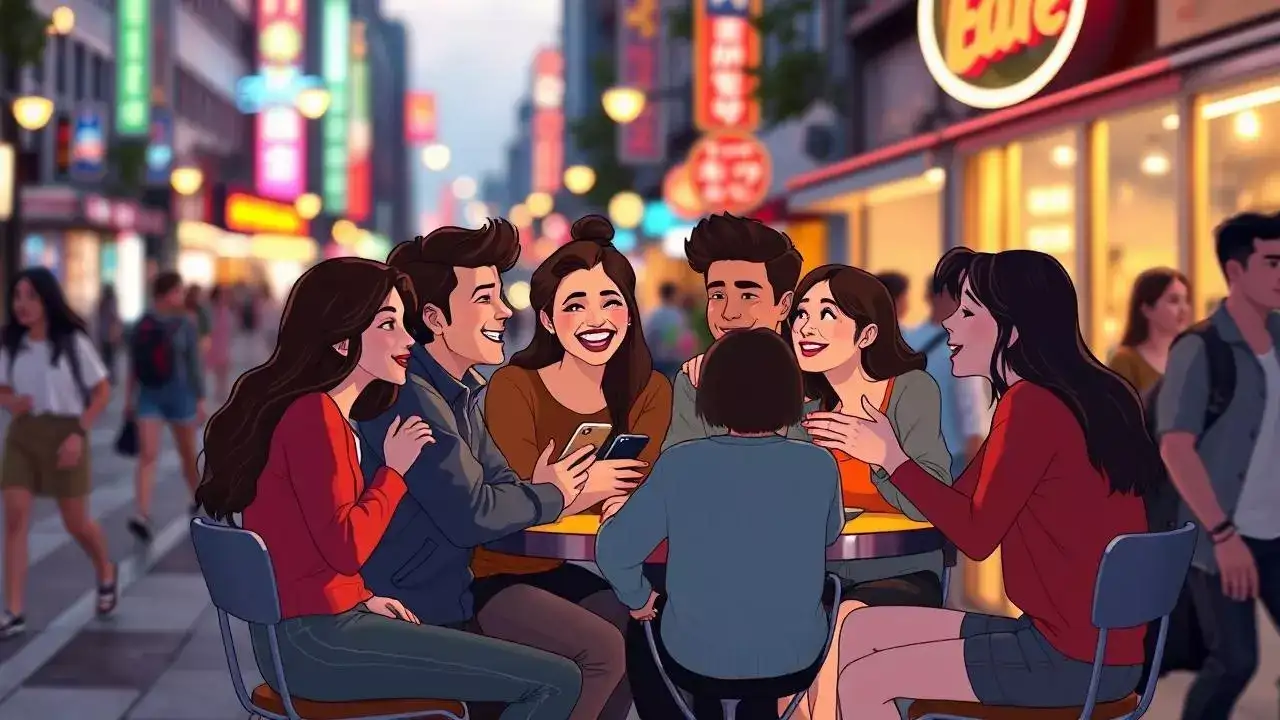
Instead, there is a preference for quieter, more intentional expressions of care. A shared meal cooked at home, a long walk after work, or simply being emotionally present are being valued more than grand declarations. This change reflects a broader fatigue with comparison culture and a desire to make relationships feel authentic rather than staged for validation.
This shift is particularly visible in urban spaces, where young people often live away from family and rely heavily on peer networks for emotional support. Friendship-based celebrations also challenge the long-standing idea that romantic love is superior to all other forms. By placing friendships at the centre, young Indians are redefining love as something plural and shared, not exclusive or hierarchical.
This focus on self-love is closely linked to growing conversations around mental health. Young Indians are more open about emotional boundaries, burnout and the need for rest. Choosing not to participate in traditional Valentine’s Day rituals is no longer seen as a failure but as an act of self-respect. Love, in this context, is about nurturing one’s emotional stability before extending care to others.
Live-in relationships, long-distance partnerships and unconventional arrangements are more openly discussed, particularly in metropolitan areas. The emphasis has shifted from external approval to internal alignment. Love is being measured by mutual understanding and growth rather than labels or public declarations.
At the same time, digital spaces have enabled broader definitions of love to emerge. Online communities provide support for those exploring non-traditional identities and relationship models. For young Indians navigating love beyond romance, the internet serves as both a connector and a boundary, offering belonging while encouraging mindful engagement.
This perspective is also reflected in how brands and public spaces approach Valentine’s Day. Campaigns are gradually becoming more inclusive, acknowledging friendships, self-care and diverse forms of connection. While romantic love remains important, it is no longer presented as the only narrative worth celebrating.
As this generation continues to redefine love beyond romance, Valentine’s Day stands as a reflection of evolving values. It signals a move towards relationships that are intentional, emotionally aware and deeply personal. In doing so, young Indians are shaping a more inclusive and sustainable understanding of love that extends far beyond a single day in February.
Moving Away From Performative Romance
One of the most noticeable shifts among young Indians is a growing discomfort with performative romance. Social media once amplified expectations around extravagant Valentine’s Day gestures, but many now view these displays as stressful rather than meaningful. Young professionals and students increasingly reject the pressure to publicly prove affection through expensive gifts or curated posts.Instead, there is a preference for quieter, more intentional expressions of care. A shared meal cooked at home, a long walk after work, or simply being emotionally present are being valued more than grand declarations. This change reflects a broader fatigue with comparison culture and a desire to make relationships feel authentic rather than staged for validation.
Friendship As A Central Expression Of Love
For many young Indians, Valentine’s Day is just as much about friendships as it is about romantic partners. Close friendships are being recognised as emotionally sustaining relationships that deserve celebration in their own right. Group dinners, casual meet-ups and even solo rituals with friends have become common ways to mark the day.This shift is particularly visible in urban spaces, where young people often live away from family and rely heavily on peer networks for emotional support. Friendship-based celebrations also challenge the long-standing idea that romantic love is superior to all other forms. By placing friendships at the centre, young Indians are redefining love as something plural and shared, not exclusive or hierarchical.
Self-Love And Emotional Wellbeing Take Priority
Another major redefinition of love lies in the emphasis on self-love and mental wellbeing. Valentine’s Day is increasingly seen as an opportunity to check in with oneself rather than a reminder of relationship status. Wellness activities such as journalling, fitness sessions, digital detoxes or solo outings are becoming popular choices.This focus on self-love is closely linked to growing conversations around mental health. Young Indians are more open about emotional boundaries, burnout and the need for rest. Choosing not to participate in traditional Valentine’s Day rituals is no longer seen as a failure but as an act of self-respect. Love, in this context, is about nurturing one’s emotional stability before extending care to others.
Redefining Commitment And Relationship Timelines
Traditional expectations around dating, marriage and long-term commitment are also evolving. Many young Indians are choosing to delay or redefine milestones that were once seen as essential markers of success. Valentine’s Day conversations increasingly centre on compatibility, shared values and emotional maturity rather than societal timelines.Live-in relationships, long-distance partnerships and unconventional arrangements are more openly discussed, particularly in metropolitan areas. The emphasis has shifted from external approval to internal alignment. Love is being measured by mutual understanding and growth rather than labels or public declarations.
Digital Intimacy And Its Complex Role
Technology continues to shape how young Indians experience love, but its role is more nuanced than before. While dating apps and messaging platforms remain integral, there is growing awareness of digital fatigue. Many couples consciously limit online interactions on Valentine’s Day in favour of offline connection.At the same time, digital spaces have enabled broader definitions of love to emerge. Online communities provide support for those exploring non-traditional identities and relationship models. For young Indians navigating love beyond romance, the internet serves as both a connector and a boundary, offering belonging while encouraging mindful engagement.
Cultural Shifts Influencing Valentine’s Day 2026
Underlying these changes are broader cultural shifts within Indian society. Economic uncertainty, competitive work environments and exposure to global conversations around identity and wellbeing have influenced how young people prioritise relationships. Love is increasingly seen as a stabilising force rather than a performative achievement.This perspective is also reflected in how brands and public spaces approach Valentine’s Day. Campaigns are gradually becoming more inclusive, acknowledging friendships, self-care and diverse forms of connection. While romantic love remains important, it is no longer presented as the only narrative worth celebrating.
A Broader, More Inclusive Understanding Of Love
Ultimately, young Indians are not rejecting romance but placing it within a wider emotional framework. Love now includes trust, respect, emotional labour and personal growth. Valentine’s Day has become less about external validation and more about meaningful connection, whether with a partner, friend or oneself.As this generation continues to redefine love beyond romance, Valentine’s Day stands as a reflection of evolving values. It signals a move towards relationships that are intentional, emotionally aware and deeply personal. In doing so, young Indians are shaping a more inclusive and sustainable understanding of love that extends far beyond a single day in February.
Next Story