
Vegetables That Are Actually Fruits: 7 Common Foods You Didn’t Know Are Fruits

Vegetables that are actually fruits might sound confusing, but many everyday ingredients like tomatoes, cucumbers, and bell peppers fall into this category. While we usually treat them as vegetables in cooking, botanically they are fruits because they develop from the flowering part of a plant and contain seeds.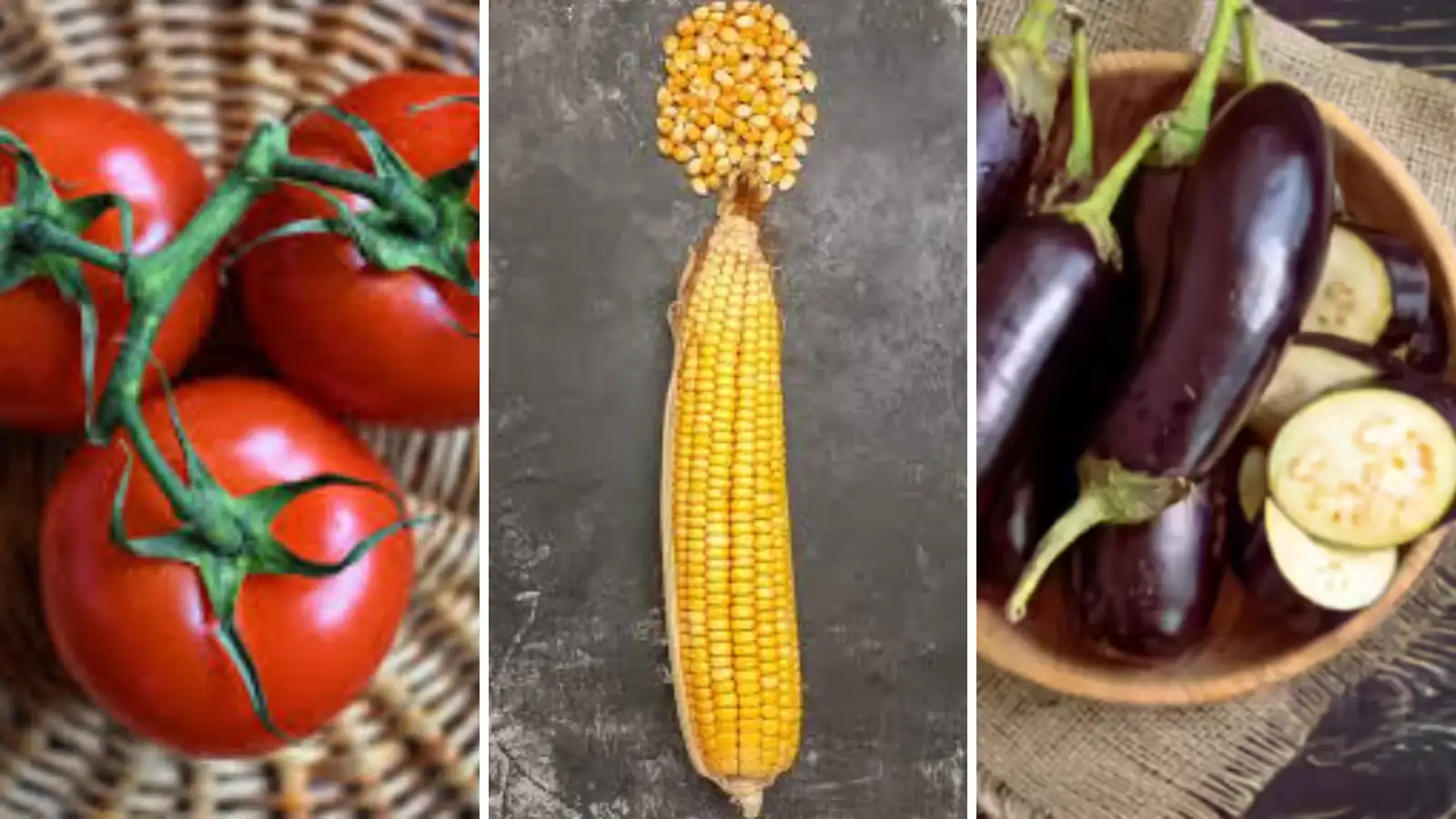
This difference comes from two completely separate systems of classification - science and cooking. Once you understand it, your perception of common kitchen ingredients changes completely.
The Real Difference Between Fruits and Vegetables
In botanical terms, a fruit is the mature ovary of a flowering plant that contains seeds. It forms after the flower is pollinated.
A vegetable, however, is not a scientific category at all. It is a culinary term used to describe edible plant parts such as roots, stems, and leaves. This means the same food can be classified differently depending on context:
That is why something like a tomato is scientifically a fruit but still treated as a vegetable in everyday cooking.
Also Read: 6 Real Foods That Look AI-Generated: Nature’s Most Surreal Edibles You Won’t Believe Exist
Everyday Foods You Didn’t Know Are Fruits
Many commonly used kitchen ingredients are actually fruits in botanical terms:
Tomato
The most well-known example. It develops from a flower and contains seeds, making it a fruit despite its savoury use.
Bell Pepper
Often used in salads and stir-fries, bell peppers grow from flowering plants and contain seeds inside.
Cucumber
Frequently mistaken for a vegetable, cucumbers are fruits because they develop from flowers and carry seeds.
Eggplant
This popular cooking ingredient is also a fruit, formed from the flowering part of the plant.
Zucchini and Squash
All varieties of zucchini, pumpkins, and squash are fruits due to their seed-bearing structure.
Green Beans and Peas
These are legumes that develop from flowers and contain seeds, placing them in the fruit category botanically.
Corn
Each kernel of corn is technically a fruit called a caryopsis, making an entire cob a collection of fruits.
Why We Still Call Them Vegetables
The confusion exists because culinary classification is based on usage rather than biology. In kitchens, foods are grouped depending on how they are prepared and eaten.
That is why:
So even though tomatoes and cucumbers are fruits scientifically, they are treated as vegetables because they are used in savoury dishes.
Does This Classification Really Matter?
From a nutritional perspective, it makes no difference. A tomato will have the same vitamins, minerals, and fiber whether it is called a fruit or a vegetable.
However, understanding this distinction helps you:
It also highlights that true vegetables like carrots and potatoes are completely different - they are roots and tubers, not fruits at all.
Whether you call them fruits or vegetables depends entirely on context. Science looks at how they grow, while cooking looks at how they are used.
So the next time you eat a salad with tomatoes, cucumbers, or peppers, remember - you are actually enjoying fruits that decided to play the role of vegetables in your kitchen.
This difference comes from two completely separate systems of classification - science and cooking. Once you understand it, your perception of common kitchen ingredients changes completely.
The Real Difference Between Fruits and Vegetables
In botanical terms, a fruit is the mature ovary of a flowering plant that contains seeds. It forms after the flower is pollinated.
A vegetable, however, is not a scientific category at all. It is a culinary term used to describe edible plant parts such as roots, stems, and leaves. This means the same food can be classified differently depending on context:
- Botanically: based on plant structure and reproduction
- Culinary: based on taste, texture, and cooking use
That is why something like a tomato is scientifically a fruit but still treated as a vegetable in everyday cooking.
Also Read: 6 Real Foods That Look AI-Generated: Nature’s Most Surreal Edibles You Won’t Believe Exist
Everyday Foods You Didn’t Know Are Fruits
Many commonly used kitchen ingredients are actually fruits in botanical terms:
Tomato
The most well-known example. It develops from a flower and contains seeds, making it a fruit despite its savoury use. Bell Pepper
Often used in salads and stir-fries, bell peppers grow from flowering plants and contain seeds inside.Cucumber
Frequently mistaken for a vegetable, cucumbers are fruits because they develop from flowers and carry seeds. Eggplant
This popular cooking ingredient is also a fruit, formed from the flowering part of the plant. Zucchini and Squash
All varieties of zucchini, pumpkins, and squash are fruits due to their seed-bearing structure. Green Beans and Peas
These are legumes that develop from flowers and contain seeds, placing them in the fruit category botanically. Corn
Each kernel of corn is technically a fruit called a caryopsis, making an entire cob a collection of fruits.You may also like
- How Eating Eggs May Protect Against Alzheimer's Disease
- The Incredible Benefits of Drinking Lemon Water on an Empty Stomach
- Effective Juice Recipe to Reduce Belly Fat
- 'Every time I breathed, I saw him beside me': The love, fear, and endurance behind this Bengaluru couple's 11-hour, 22-km swim from Sri Lanka to India
- When is Europe Day? History, significance, important details to know
Why We Still Call Them Vegetables
The confusion exists because culinary classification is based on usage rather than biology. In kitchens, foods are grouped depending on how they are prepared and eaten.
That is why:
- Sweet or tangy ingredients are often called fruits
- Savoury ingredients are labelled vegetables
So even though tomatoes and cucumbers are fruits scientifically, they are treated as vegetables because they are used in savoury dishes.
Does This Classification Really Matter?
From a nutritional perspective, it makes no difference. A tomato will have the same vitamins, minerals, and fiber whether it is called a fruit or a vegetable.
However, understanding this distinction helps you:
- See how plant biology actually works
- Understand why food categories exist in cooking
- Look at everyday ingredients with a new perspective
It also highlights that true vegetables like carrots and potatoes are completely different - they are roots and tubers, not fruits at all.
Whether you call them fruits or vegetables depends entirely on context. Science looks at how they grow, while cooking looks at how they are used.
So the next time you eat a salad with tomatoes, cucumbers, or peppers, remember - you are actually enjoying fruits that decided to play the role of vegetables in your kitchen.






More from our partners


Loving Newspoint? Download the app now
