
Cold-Weather Nutrition: 7 Winter Vegetables For A Healthier You

As winter blankets the world in a chilly embrace, it's the perfect time to explore the nutritional bounty that the season has to offer. Winter vegetables not only bring warmth to your dishes but also pack a powerful punch of essential nutrients to fortify your body against the cold. Here are seven winter vegetables that not only thrive in the colder months but are also high in nutritional value, making them excellent additions to your winter menu.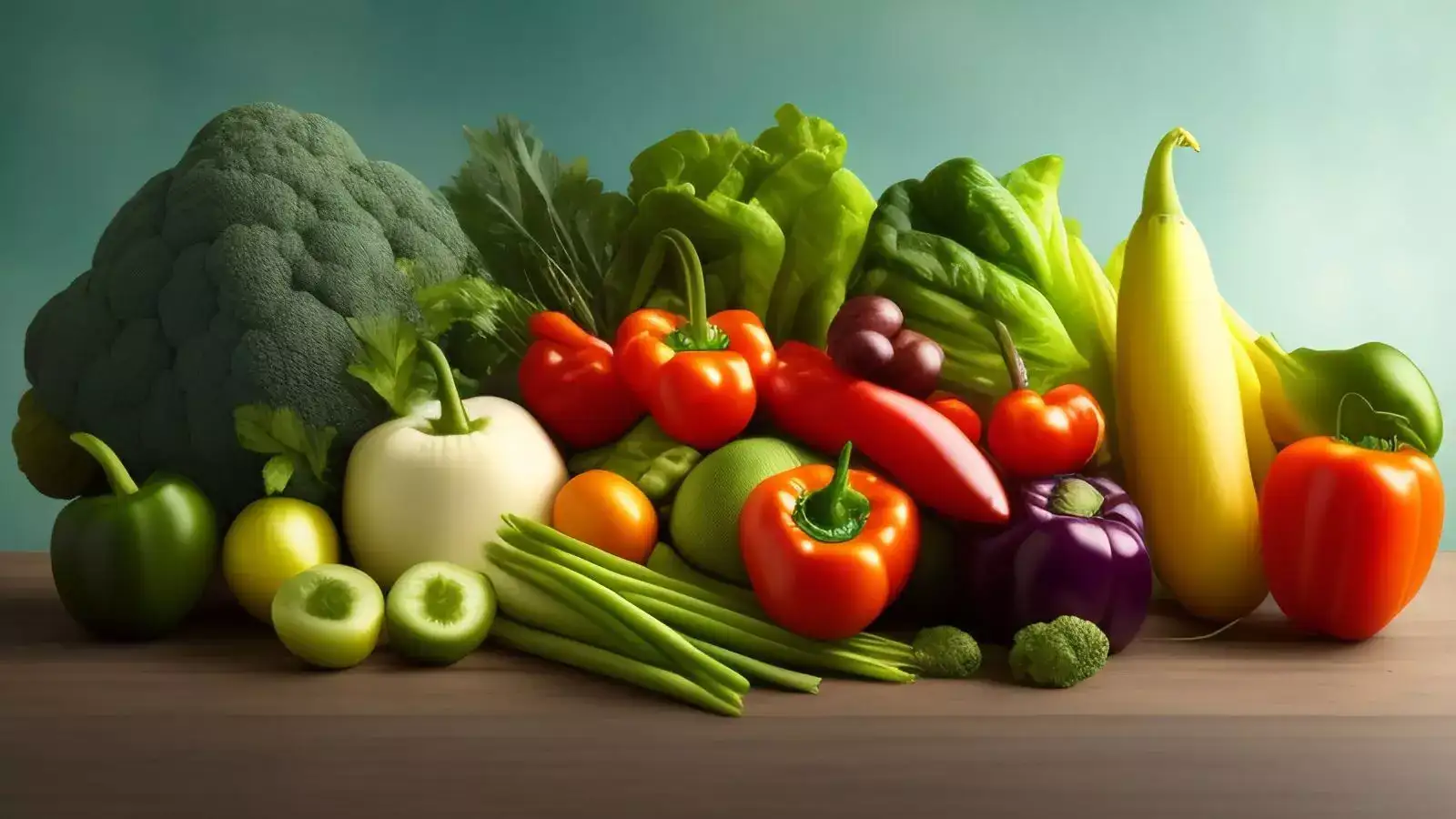
Kale: Known as a superfood, kale is a winter vegetable that deserves a prime spot on your plate. Bursting with vitamins A, C, and K, as well as minerals like iron and calcium, kale is an excellent source of antioxidants. Incorporating this leafy green into your diet can help boost your immune system, promote bone health, and keep your skin radiant.
Brussels Sprouts: Brussels sprouts are not only adorable mini-cabbages but also nutritional powerhouses. Packed with fiber, vitamins C and K, and folate, they contribute to digestive health, support immune function, and aid in blood clotting. Roasting or sautéing them with a dash of olive oil and seasoning enhances their flavor and preserves their nutritional value.
Butternut Squash: This vibrant orange squash is a rich source of beta-carotene, which the body converts into vitamin A. Butternut squash also provides a healthy dose of vitamin C, potassium, and fiber. Its natural sweetness makes it a versatile ingredient for both savory and sweet winter dishes, from soups to casseroles to desserts.
Sweet Potatoes: Sweet potatoes are a nutritious and delicious winter staple. Packed with vitamins A and C, along with fiber and antioxidants, they support vision health, boost immunity, and contribute to overall well-being. Roasting or mashing sweet potatoes can be a delightful addition to your winter meals.
Cabbage: Cabbage, available in various varieties such as green, red, and Savoy, is a versatile and economical winter vegetable. Rich in vitamin C, vitamin K, and fiber, cabbage aids digestion, supports bone health, and strengthens the immune system. Incorporate cabbage into salads, coleslaws, or stir-fries for a crunchy and nutritious twist.
Turnips: Turnips are a low-calorie, nutrient-dense root vegetable that thrives in winter. High in vitamin C, fiber, and essential minerals like potassium, turnips contribute to heart health and digestive well-being. Roast them alongside other winter vegetables or add them to stews for a flavorful and nutritious boost.
Winter Squash (Acorn, Hubbard, etc.): Winter squash varieties like acorn and Hubbard squash are not only delicious but also rich in nutrients. Packed with vitamins A and C, as well as fiber, they support immune function and digestive health. Roasting or baking winter squash brings out their natural sweetness, making them a delightful addition to winter meals.
Embracing the seasonal bounty of winter vegetables not only adds variety to your meals but also ensures you receive a diverse range of essential nutrients. From leafy greens like kale to hearty root vegetables like turnips, these winter vegetables contribute to overall health and well-being. So, bundle up, head to your local market, and savor the nutritional richness that winter has to offer.
Kale: Known as a superfood, kale is a winter vegetable that deserves a prime spot on your plate. Bursting with vitamins A, C, and K, as well as minerals like iron and calcium, kale is an excellent source of antioxidants. Incorporating this leafy green into your diet can help boost your immune system, promote bone health, and keep your skin radiant.
Brussels Sprouts: Brussels sprouts are not only adorable mini-cabbages but also nutritional powerhouses. Packed with fiber, vitamins C and K, and folate, they contribute to digestive health, support immune function, and aid in blood clotting. Roasting or sautéing them with a dash of olive oil and seasoning enhances their flavor and preserves their nutritional value.
Butternut Squash: This vibrant orange squash is a rich source of beta-carotene, which the body converts into vitamin A. Butternut squash also provides a healthy dose of vitamin C, potassium, and fiber. Its natural sweetness makes it a versatile ingredient for both savory and sweet winter dishes, from soups to casseroles to desserts.
Sweet Potatoes: Sweet potatoes are a nutritious and delicious winter staple. Packed with vitamins A and C, along with fiber and antioxidants, they support vision health, boost immunity, and contribute to overall well-being. Roasting or mashing sweet potatoes can be a delightful addition to your winter meals.
Cabbage: Cabbage, available in various varieties such as green, red, and Savoy, is a versatile and economical winter vegetable. Rich in vitamin C, vitamin K, and fiber, cabbage aids digestion, supports bone health, and strengthens the immune system. Incorporate cabbage into salads, coleslaws, or stir-fries for a crunchy and nutritious twist.
Turnips: Turnips are a low-calorie, nutrient-dense root vegetable that thrives in winter. High in vitamin C, fiber, and essential minerals like potassium, turnips contribute to heart health and digestive well-being. Roast them alongside other winter vegetables or add them to stews for a flavorful and nutritious boost.
Winter Squash (Acorn, Hubbard, etc.): Winter squash varieties like acorn and Hubbard squash are not only delicious but also rich in nutrients. Packed with vitamins A and C, as well as fiber, they support immune function and digestive health. Roasting or baking winter squash brings out their natural sweetness, making them a delightful addition to winter meals.
Embracing the seasonal bounty of winter vegetables not only adds variety to your meals but also ensures you receive a diverse range of essential nutrients. From leafy greens like kale to hearty root vegetables like turnips, these winter vegetables contribute to overall health and well-being. So, bundle up, head to your local market, and savor the nutritional richness that winter has to offer.
Next Story