
Was Silence the Real Villain of Mahabharata?


We often blame Duryodhana for the war. Some blame the Pandavas. But what if both are incomplete answers? What if the real reason lies somewhere deeper? A truth that is uncomfortable to accept. Because if you look closely at the Mahabharata, one pattern repeats again and again not just wrong actions, but silence at the right time. And sometimes, silence becomes more dangerous than action itself.
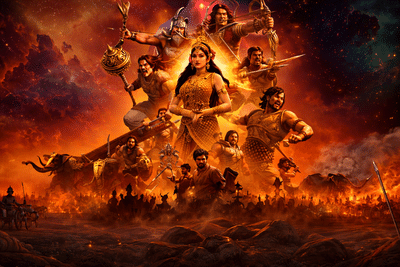
When Bhishma Chose Silence
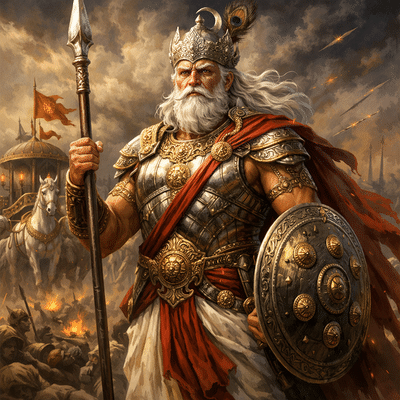
Bhishma was one of the wisest and most powerful figures. He knew what was right and what was wrong. Yet, during crucial moments especially when injustice happened he remained silent. His loyalty to the throne became stronger than his duty to truth. This silence was not weakness, but it had consequences. When someone with power does not speak, wrong actions gain strength. His silence allowed injustice to continue unchecked.
The Blindness of Dhritarashtra
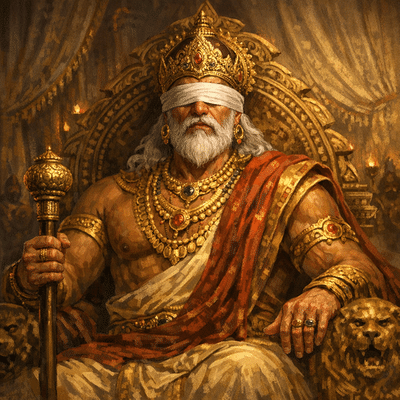
Dhritarashtra’s love for his son blinded him not physically, but emotionally. He knew Duryodhana’s actions were wrong, yet he did nothing to stop him. His silence came from attachment and fear of losing control. This inaction gave Duryodhana the freedom to continue his path. Sometimes, silence is not neutrality it is silent approval. And that approval can lead to destruction.
Draupadi and the Court’s Silence

One of the most painful moments was Draupadi’s humiliation. The entire court was present. Powerful warriors, wise elders, respected figures all were there. Yet, very few spoke. Most stayed silent. This moment defines the true problem. It was not just the act of injustice, but the absence of resistance. When wrong is not challenged, it becomes normalized. That silence changed everything.
The Mistake of the PandavasThe Pandavas are often seen as righteous. But even they made a mistake tolerating injustice for too long. They chose patience over confrontation, hoping things would improve. But silence and tolerance only allowed the situation to worsen. There comes a point where silence is no longer strength—it becomes avoidance. Acting at the right time is just as important as being right.
Why Duryodhana Was Not AloneDuryodhana is often blamed as the villain. But his actions were enabled by others’ silence. If he had been stopped early, corrected firmly, or challenged openly, things could have been different. His rise was not just his own doing it was supported by inaction around him. This shows that problems grow when no one takes responsibility to stop them.
The Real Lesson: Speak When It MattersThe Mahabharata teaches a powerful lesson silence is not always peaceful. Sometimes, it becomes the root of conflict. Speaking at the right time can prevent bigger problems. Ignoring small wrongs allows them to grow. The real strength is not just in knowing the truth, but in standing for it when it matters most.
The Cost of Staying SilentThe Mahabharata was not just a war of weapons it was a result of unspoken truths and delayed actions. Many knew what was happening. Few chose to act. And that made all the difference. The story reminds us that silence is not always safe. Sometimes, it is the beginning of something much bigger than we can control.
Unlock insightful tips and inspiration on personal growth, productivity, and well-being. Stay motivated and updated with the latest at My Life XP.
Frequently Asked Questions (FAQs) 1. Was silence really the main cause of the Mahabharata war?
Silence was not the only cause, but it played a major role. Many wise and powerful people saw injustice happening but chose not to speak or act at the right time, which allowed problems to grow.
2. Why didn’t powerful characters stop the wrong actions?
Some were bound by loyalty, some by fear, and others by attachment. Even though they knew what was right, they hesitated to act, which made the situation worse.
3. Was Duryodhana the only villain?
No. While Duryodhana’s actions were wrong, the overall situation developed because others did not stop him when they had the chance. Responsibility was shared in different ways.
4. Did the Pandavas also make mistakes?
Yes. Their patience and silence at certain moments allowed injustice to continue longer than it should have. Acting earlier might have changed some outcomes.
5. What is the biggest lesson from this story?
The biggest lesson is that staying silent in the face of wrong actions can lead to bigger problems. Speaking up at the right time is important.
When Bhishma Chose Silence
Strength without action loses its value
Bhishma was one of the wisest and most powerful figures. He knew what was right and what was wrong. Yet, during crucial moments especially when injustice happened he remained silent. His loyalty to the throne became stronger than his duty to truth. This silence was not weakness, but it had consequences. When someone with power does not speak, wrong actions gain strength. His silence allowed injustice to continue unchecked.
The Blindness of Dhritarashtra
Attachment overpowering justice
Dhritarashtra’s love for his son blinded him not physically, but emotionally. He knew Duryodhana’s actions were wrong, yet he did nothing to stop him. His silence came from attachment and fear of losing control. This inaction gave Duryodhana the freedom to continue his path. Sometimes, silence is not neutrality it is silent approval. And that approval can lead to destruction.
Draupadi and the Court’s Silence
When injustice is seen but not stopped
One of the most painful moments was Draupadi’s humiliation. The entire court was present. Powerful warriors, wise elders, respected figures all were there. Yet, very few spoke. Most stayed silent. This moment defines the true problem. It was not just the act of injustice, but the absence of resistance. When wrong is not challenged, it becomes normalized. That silence changed everything.
The Mistake of the PandavasThe Pandavas are often seen as righteous. But even they made a mistake tolerating injustice for too long. They chose patience over confrontation, hoping things would improve. But silence and tolerance only allowed the situation to worsen. There comes a point where silence is no longer strength—it becomes avoidance. Acting at the right time is just as important as being right.
Why Duryodhana Was Not AloneDuryodhana is often blamed as the villain. But his actions were enabled by others’ silence. If he had been stopped early, corrected firmly, or challenged openly, things could have been different. His rise was not just his own doing it was supported by inaction around him. This shows that problems grow when no one takes responsibility to stop them.
The Real Lesson: Speak When It MattersThe Mahabharata teaches a powerful lesson silence is not always peaceful. Sometimes, it becomes the root of conflict. Speaking at the right time can prevent bigger problems. Ignoring small wrongs allows them to grow. The real strength is not just in knowing the truth, but in standing for it when it matters most.
The Cost of Staying SilentThe Mahabharata was not just a war of weapons it was a result of unspoken truths and delayed actions. Many knew what was happening. Few chose to act. And that made all the difference. The story reminds us that silence is not always safe. Sometimes, it is the beginning of something much bigger than we can control.
Unlock insightful tips and inspiration on personal growth, productivity, and well-being. Stay motivated and updated with the latest at My Life XP.
Frequently Asked Questions (FAQs) 1. Was silence really the main cause of the Mahabharata war?
Silence was not the only cause, but it played a major role. Many wise and powerful people saw injustice happening but chose not to speak or act at the right time, which allowed problems to grow.
Some were bound by loyalty, some by fear, and others by attachment. Even though they knew what was right, they hesitated to act, which made the situation worse.
3. Was Duryodhana the only villain?
No. While Duryodhana’s actions were wrong, the overall situation developed because others did not stop him when they had the chance. Responsibility was shared in different ways.
Yes. Their patience and silence at certain moments allowed injustice to continue longer than it should have. Acting earlier might have changed some outcomes.
5. What is the biggest lesson from this story?
The biggest lesson is that staying silent in the face of wrong actions can lead to bigger problems. Speaking up at the right time is important.
Next Story