
Ways To Recognise And Reduce Stress In Pet Birds For Better Health And Behaviour

How To Recognise And Reduce Bird Stress : Pet birds are highly sensitive animals that respond strongly to changes in their environment, routine and social interaction. Understanding how to recognise and reduce bird stress is essential for maintaining good physical and emotional health in pet birds. Stress in birds can lead to behavioural problems, poor appetite and reduced immunity. Since birds are naturally social and intelligent creatures, they require mental stimulation, stable routines and safe surroundings. Learning to identify early warning signs of stress and taking preventive action can significantly improve a bird’s quality of life.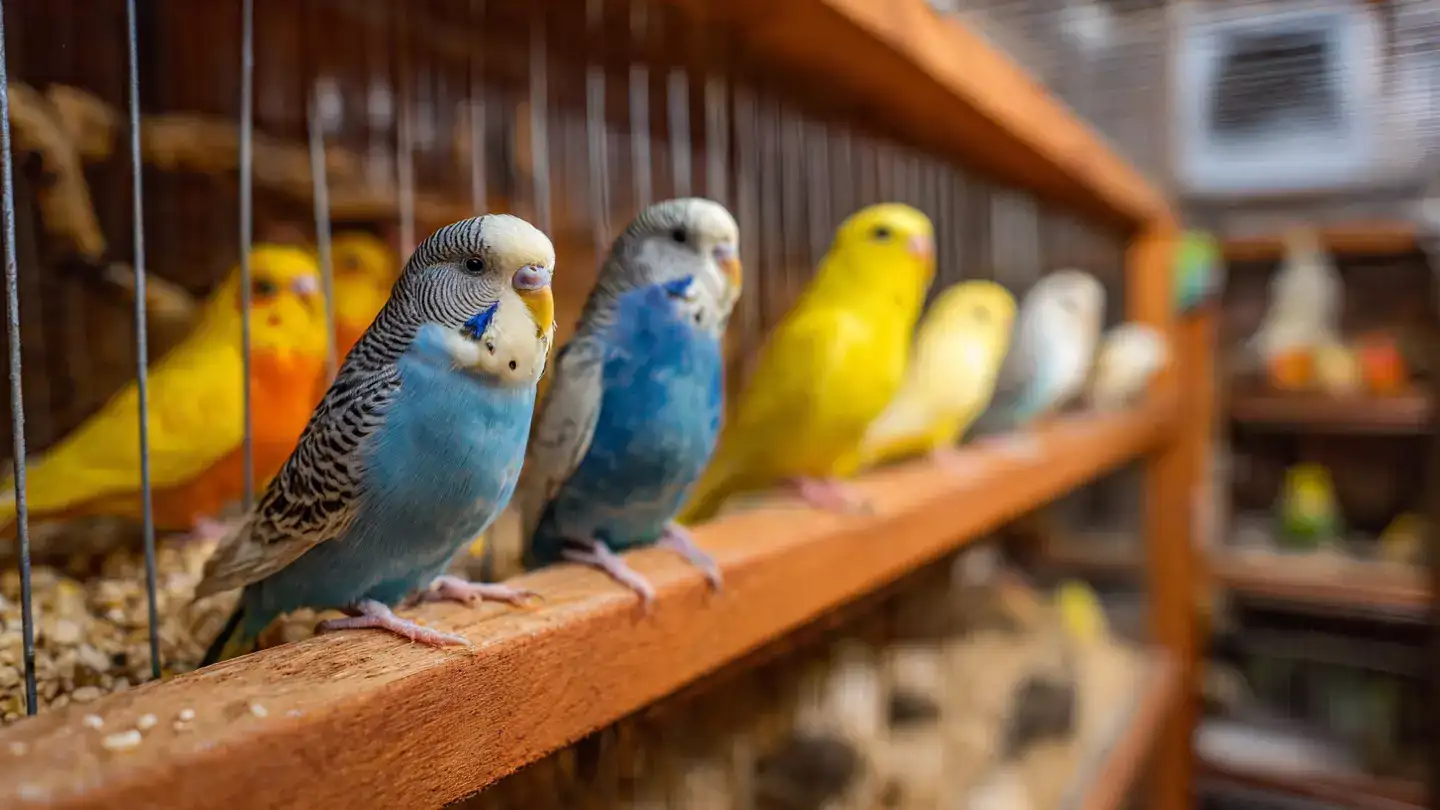
Changes in eating habits are another important indicator. Birds that are stressed may eat less or show disinterest in their favourite foods. Some birds may also become unusually restless, pacing inside the cage or constantly moving without settling. Observing behaviour patterns regularly helps owners identify problems early and take corrective action.
Loneliness is another major cause of stress because many bird species are naturally social. Birds that do not receive enough interaction with their owners may develop behavioural problems. Poor cage design, small living spaces and lack of enrichment toys can also contribute to anxiety.
Understanding these causes is important when trying to reduce bird stress and improve mental wellbeing.
Maintaining consistent daily routines helps birds feel secure. Feeding, cleaning and interaction times should follow a predictable schedule. Birds thrive when they can anticipate daily activities, which reduces anxiety and improves behaviour stability.
Owners should observe body language to understand when birds want interaction and when they prefer solitude. Respecting these boundaries is essential for maintaining emotional balance. Social bonding is one of the most effective ways to reduce bird stress naturally.
Rotating toys every few weeks keeps the environment interesting. Foraging toys that hide small food portions encourage natural searching behaviour similar to wild feeding patterns. Mental stimulation reduces stress and prevents destructive behaviours such as excessive screaming or feather plucking.
Fresh drinking water should be available at all times. Dehydration can increase stress and affect energy levels. Cleaning food bowls regularly also prevents bacterial growth that could harm bird health.
Avoid placing cages near television speakers or noisy appliances. Proper rest is essential for maintaining healthy behaviour patterns and reducing anxiety.
Bird owners should monitor weight, feather condition and activity levels regularly. Any sudden behavioural changes should be taken seriously and checked by a professional if necessary.
Learning how to recognise and reduce bird stress is an important responsibility for pet bird owners. Providing a safe environment, proper nutrition and emotional support ensures birds remain happy, active and healthy throughout their lives.
Image Courtesy: Meta AI
Common Signs Of Stress In Pet Birds
Recognising stress symptoms early is important for preventing long term health problems. One of the most common bird stress symptoms is feather plucking, where birds pull out their own feathers due to anxiety or boredom. Excessive screaming, aggressive behaviour or sudden quietness can also indicate discomfort.Changes in eating habits are another important indicator. Birds that are stressed may eat less or show disinterest in their favourite foods. Some birds may also become unusually restless, pacing inside the cage or constantly moving without settling. Observing behaviour patterns regularly helps owners identify problems early and take corrective action.
Causes Of Stress In Birds
Several environmental and behavioural factors can cause stress in pet birds. Sudden loud noises such as construction sounds, loud music or shouting can frighten birds. Frequent changes in cage location can also make birds feel insecure because they prefer stable environments.Loneliness is another major cause of stress because many bird species are naturally social. Birds that do not receive enough interaction with their owners may develop behavioural problems. Poor cage design, small living spaces and lack of enrichment toys can also contribute to anxiety.
Understanding these causes is important when trying to reduce bird stress and improve mental wellbeing.
Creating A Calm Environment For Birds
A calm environment plays a major role in maintaining bird mental health care . Keep bird cages in quiet areas away from high traffic zones inside the house. However, birds should still be able to observe daily household activities because complete isolation can also cause stress.Maintaining consistent daily routines helps birds feel secure. Feeding, cleaning and interaction times should follow a predictable schedule. Birds thrive when they can anticipate daily activities, which reduces anxiety and improves behaviour stability.
Providing Proper Social Interaction
Many pet birds require regular social interaction with their owners. Talking softly to birds, spending time near their cage and gentle handling can help build trust. However, forcing interaction can increase stress levels.Owners should observe body language to understand when birds want interaction and when they prefer solitude. Respecting these boundaries is essential for maintaining emotional balance. Social bonding is one of the most effective ways to reduce bird stress naturally.
Enrichment Activities For Mental Stimulation
Birds are naturally curious and intelligent, so mental stimulation is very important. Providing enrichment toys helps prevent boredom related stress. Toys made from safe wood, rope and natural materials are generally best.Rotating toys every few weeks keeps the environment interesting. Foraging toys that hide small food portions encourage natural searching behaviour similar to wild feeding patterns. Mental stimulation reduces stress and prevents destructive behaviours such as excessive screaming or feather plucking.
Maintaining Proper Nutrition And Hydration
Balanced nutrition is directly linked to bird behaviour and mood. Provide fresh fruits, vegetables, seeds and pellets according to species requirements. Avoid excessive fatty or sugary foods because they can affect health and behaviour.Fresh drinking water should be available at all times. Dehydration can increase stress and affect energy levels. Cleaning food bowls regularly also prevents bacterial growth that could harm bird health.
You may also like
- 10 must-try haleem spots in Hyderabad (Ramzan 2026 edition)
- Petrol prices hit 169.9p a litre with 90-car queues at pumps in Iran war chaos
- This Morning beauty expert recommends £34 serum for 'thicker' hair in weeks
- Stay Cool This Summer: The Health Benefits of Sugarcane Juice
- Unlocking the Health Benefits of Cinnamon Water
Managing Noise And Light Exposure
Birds are sensitive to both noise and lighting conditions. Excessive bright lights during night time can disturb sleep cycles. Covering cages lightly during sleep hours can help create a dark, quiet sleeping environment.Avoid placing cages near television speakers or noisy appliances. Proper rest is essential for maintaining healthy behaviour patterns and reducing anxiety.
Regular Health Check Ups
Regular veterinary check ups help detect hidden health problems that may cause stress. Illness often leads to behavioural changes. Early medical intervention can prevent serious health complications.Bird owners should monitor weight, feather condition and activity levels regularly. Any sudden behavioural changes should be taken seriously and checked by a professional if necessary.
Building Trust And Patience
Reducing bird stress requires patience and consistent care. Birds gradually build trust with their owners over time. Gentle handling, predictable routines and positive reinforcement help create strong emotional bonds.Learning how to recognise and reduce bird stress is an important responsibility for pet bird owners. Providing a safe environment, proper nutrition and emotional support ensures birds remain happy, active and healthy throughout their lives.
Image Courtesy: Meta AI






More from our partners


Loving Newspoint? Download the app now
