
What Do Exotic Birds Eat? Complete Diet Plan Explained

Exotic birds are not just colourful and charming, they are also sensitive when it comes to diet. What you feed them directly affects their health, behaviour, and lifespan. Many bird owners assume seeds are enough, but in reality, a balanced and varied diet is the key to keeping exotic birds healthy and active.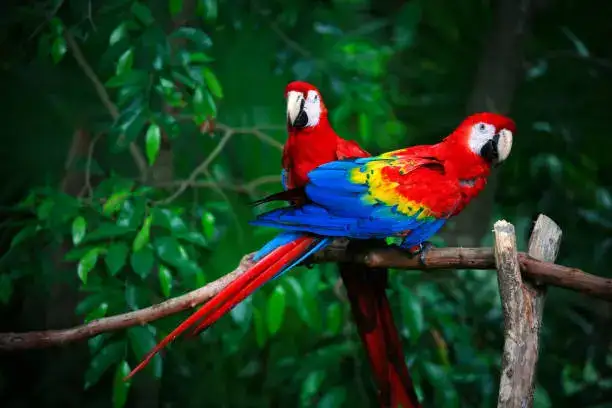
Why Diet Matters For Exotic Birds
A proper diet supports everything from feather quality to immunity and energy levels. Poor nutrition can lead to issues like weak feathers, low energy, and even serious health problems. Since exotic birds have different needs compared to common pets, their food must be carefully planned.
Pellets Should Be The Foundation
High-quality pellets are considered the best base for an exotic bird’s diet. They are designed to provide balanced nutrition, including essential vitamins and minerals.
Pellets also help prevent selective eating, where birds pick only their favourite foods and ignore the rest. Ideally, pellets should make up a major portion of your bird’s daily meals.
Fresh Fruits And Vegetables Are Essential
Adding fresh fruits and vegetables brings variety and important nutrients to your bird’s diet. Vegetables like carrots, spinach, broccoli, peas, and bell peppers are excellent choices.
Fruits such as apples, bananas, berries, and mangoes can be offered in small portions. Always wash them well and remove seeds or pits that may be harmful.
Seeds And Nuts In Moderation
Seeds and nuts are often a bird’s favourite, but they should be given carefully. They are high in fat and can lead to weight gain if overfed.
Use them as occasional treats or rewards rather than the main food source. This keeps your bird healthy while still allowing them to enjoy their favourite snacks.
Protein For Growth And Strength
Protein plays an important role in maintaining strong muscles and healthy feathers. You can include foods like boiled eggs, cooked lentils, beans, and sprouts in small amounts.
These additions are especially useful during moulting or growth periods.
Foods To Avoid Completely
Some foods can be harmful or even toxic to birds. Avoid feeding chocolate, caffeine, alcohol, avocado, and highly salty or sugary foods.
Processed human food should also be kept away. Even small amounts of harmful items can affect your bird’s health.
Water And Clean Feeding Habits
Fresh water should always be available for your bird. Change it daily to keep it clean and safe.
Food bowls should be washed regularly, and leftover fresh food should be removed after a few hours to prevent spoilage and bacterial growth.
Creating A Balanced Routine
A good feeding routine includes a mix of pellets, fresh produce, and occasional treats. Try to feed your bird at the same time each day to build a healthy habit.
Observe what your bird enjoys and adjust the diet while ensuring all nutritional needs are met.
Feeding exotic birds is not complicated, but it does require attention and care. A balanced diet that includes pellets, fresh foods, and controlled treats can keep your bird happy and healthy.
Every bird is unique, so understanding their preferences and needs will help you create the best diet plan. With the right nutrition, your exotic bird can live a long, active, and vibrant life.
Why Diet Matters For Exotic Birds
A proper diet supports everything from feather quality to immunity and energy levels. Poor nutrition can lead to issues like weak feathers, low energy, and even serious health problems. Since exotic birds have different needs compared to common pets, their food must be carefully planned. Pellets Should Be The Foundation
High-quality pellets are considered the best base for an exotic bird’s diet. They are designed to provide balanced nutrition, including essential vitamins and minerals.Pellets also help prevent selective eating, where birds pick only their favourite foods and ignore the rest. Ideally, pellets should make up a major portion of your bird’s daily meals.
Fresh Fruits And Vegetables Are Essential
Adding fresh fruits and vegetables brings variety and important nutrients to your bird’s diet. Vegetables like carrots, spinach, broccoli, peas, and bell peppers are excellent choices.Fruits such as apples, bananas, berries, and mangoes can be offered in small portions. Always wash them well and remove seeds or pits that may be harmful.
Seeds And Nuts In Moderation
Seeds and nuts are often a bird’s favourite, but they should be given carefully. They are high in fat and can lead to weight gain if overfed. Use them as occasional treats or rewards rather than the main food source. This keeps your bird healthy while still allowing them to enjoy their favourite snacks.
Protein For Growth And Strength
Protein plays an important role in maintaining strong muscles and healthy feathers. You can include foods like boiled eggs, cooked lentils, beans, and sprouts in small amounts.These additions are especially useful during moulting or growth periods.
Foods To Avoid Completely
Some foods can be harmful or even toxic to birds. Avoid feeding chocolate, caffeine, alcohol, avocado, and highly salty or sugary foods. Processed human food should also be kept away. Even small amounts of harmful items can affect your bird’s health.
Water And Clean Feeding Habits
Fresh water should always be available for your bird. Change it daily to keep it clean and safe. Food bowls should be washed regularly, and leftover fresh food should be removed after a few hours to prevent spoilage and bacterial growth.
Creating A Balanced Routine
A good feeding routine includes a mix of pellets, fresh produce, and occasional treats. Try to feed your bird at the same time each day to build a healthy habit. Observe what your bird enjoys and adjust the diet while ensuring all nutritional needs are met.
Feeding exotic birds is not complicated, but it does require attention and care. A balanced diet that includes pellets, fresh foods, and controlled treats can keep your bird happy and healthy.
Every bird is unique, so understanding their preferences and needs will help you create the best diet plan. With the right nutrition, your exotic bird can live a long, active, and vibrant life.
Next Story