
What Happens to Old Trains Once They Are No Longer in Service

Sitting by a train window and watching endless tracks pass by often sparks an interesting question: what happens to these giant machines when they become too old to run? In a railway network as huge as Indian Railways, trains do not simply disappear after retirement. Many are given a second life through clever transformation, practical reuse, and efficient recycling.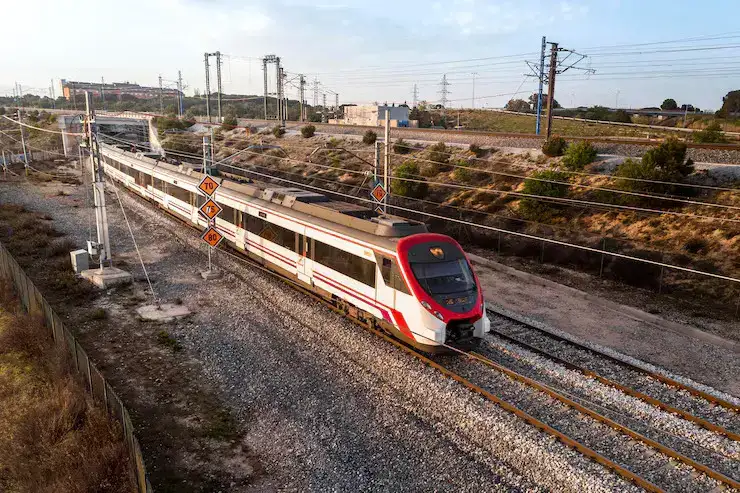
Every Train Has An Expiry Date
Just like cars, buses, or airplanes, trains are built with a fixed operational lifespan. Different types of coaches and engines are designed to serve for a certain number of years before they become too old or costly to maintain.
Older ICF passenger coaches generally remain in service for around 25 to 30 years, while the more advanced LHB coaches can operate for up to 35 years. However, retirement is not based on age alone. Safety standards, repair expenses, and technological upgrades also play a major role in deciding when a train should be withdrawn from active duty.
Retirement Often Leads To Reinvention
For many trains, retirement does not mean immediate destruction. Indian Railways has developed smart ways to extend the usefulness of older coaches by transforming them for new purposes.
One of the most common methods is converting old passenger coaches into NMG, or New Modified Goods coaches. During this process, interiors are stripped of passenger facilities such as seats, fans, and lighting systems. Windows are sealed, and the coach structure is strengthened to handle heavy freight loads.
These modified coaches are then used to transport vehicles like cars, mini trucks, and tractors, allowing them to continue operating on the rail network for another 5 to 10 years.
Supporting A Modern Railway Revolution
Indian Railways has been undergoing one of the largest modernization drives in its history. Through electrification projects and safety-focused upgrades, outdated diesel engines and older coaches are steadily being replaced with cleaner, faster, and more efficient alternatives.
Under initiatives such as Mission Zero Scrap, thousands of retired trains, wagons, and locomotives have been systematically phased out. This transformation is helping Indian Railways reduce operational costs, improve efficiency, and create a safer travel experience for millions of passengers.
The Final Journey To The Scrap Yard
When a train reaches the absolute end of its serviceable life, it is sent for dismantling rather than abandonment.
At railway scrap yards, old trains are carefully taken apart piece by piece. Valuable materials such as iron and steel are recovered, while copper, aluminium, and brass components are separated for recycling. Even smaller parts including batteries, lights, air conditioning units, and seats are salvaged for reuse wherever possible.
This process ensures minimal waste while generating revenue from retired assets.
A Remarkable Lifecycle
The life of an Indian train is far longer and more versatile than most people realize. From transporting millions of passengers to carrying commercial goods, and finally contributing raw materials back into the industrial cycle, trains continue serving the nation long after their original purpose ends.
More Than Machines
Old trains are not simply discarded relics. They are carefully repurposed, recycled, and transformed, reflecting the scale and resourcefulness of Indian Railways itself.
So the next time you watch a train speed past, remember that even after its final station, its journey may still be far from over.
Every Train Has An Expiry Date
Just like cars, buses, or airplanes, trains are built with a fixed operational lifespan. Different types of coaches and engines are designed to serve for a certain number of years before they become too old or costly to maintain. Older ICF passenger coaches generally remain in service for around 25 to 30 years, while the more advanced LHB coaches can operate for up to 35 years. However, retirement is not based on age alone. Safety standards, repair expenses, and technological upgrades also play a major role in deciding when a train should be withdrawn from active duty.
Retirement Often Leads To Reinvention
For many trains, retirement does not mean immediate destruction. Indian Railways has developed smart ways to extend the usefulness of older coaches by transforming them for new purposes. One of the most common methods is converting old passenger coaches into NMG, or New Modified Goods coaches. During this process, interiors are stripped of passenger facilities such as seats, fans, and lighting systems. Windows are sealed, and the coach structure is strengthened to handle heavy freight loads.
These modified coaches are then used to transport vehicles like cars, mini trucks, and tractors, allowing them to continue operating on the rail network for another 5 to 10 years.
Supporting A Modern Railway Revolution
Indian Railways has been undergoing one of the largest modernization drives in its history. Through electrification projects and safety-focused upgrades, outdated diesel engines and older coaches are steadily being replaced with cleaner, faster, and more efficient alternatives. Under initiatives such as Mission Zero Scrap, thousands of retired trains, wagons, and locomotives have been systematically phased out. This transformation is helping Indian Railways reduce operational costs, improve efficiency, and create a safer travel experience for millions of passengers.
The Final Journey To The Scrap Yard
When a train reaches the absolute end of its serviceable life, it is sent for dismantling rather than abandonment.At railway scrap yards, old trains are carefully taken apart piece by piece. Valuable materials such as iron and steel are recovered, while copper, aluminium, and brass components are separated for recycling. Even smaller parts including batteries, lights, air conditioning units, and seats are salvaged for reuse wherever possible.
This process ensures minimal waste while generating revenue from retired assets.
A Remarkable Lifecycle
The life of an Indian train is far longer and more versatile than most people realize. From transporting millions of passengers to carrying commercial goods, and finally contributing raw materials back into the industrial cycle, trains continue serving the nation long after their original purpose ends. More Than Machines
Old trains are not simply discarded relics. They are carefully repurposed, recycled, and transformed, reflecting the scale and resourcefulness of Indian Railways itself. So the next time you watch a train speed past, remember that even after its final station, its journey may still be far from over.






More from our partners


Loving Newspoint? Download the app now
