
What Happens When You Chant Without Belief


Chanting mantras is a practice followed by millions of people. It is often associated with devotion, focus, and inner peace. Many believe that strong faith is necessary for chanting to have any effect.
But what if you do not fully believe in it?
What if you chant just out of curiosity, habit, or even doubt?
This question is more common than people admit. Not everyone starts with deep faith. Some begin their journey with questions, confusion, or even skepticism.

The truth is that chanting works on different levels. It is not only about belief. It also involves sound, rhythm, repetition, and the way your mind responds to these elements.
Understanding this can help you see chanting in a new light.
The Power of Sound Works Beyond BeliefChanting is not just about words. It is about sound and vibration.
Every mantra creates a certain rhythm and frequency. When you repeat these sounds, your mind begins to follow that rhythm.
Even if you do not believe in the meaning of the chant, your brain still reacts to the repetition. It may begin to slow down, focus better, and feel calmer.
This is similar to listening to soothing music. You do not need to believe in music for it to affect your mood.
In the same way, chanting can create a subtle calming effect, even without faith.
Repetition Helps the Mind Settle

The human mind is often restless. Thoughts keep moving from one idea to another without pause.
Chanting introduces repetition. This repetition gives the mind something simple and steady to focus on.
Over time, this reduces mental noise.
Even if you start without belief, repeating a mantra can bring a sense of rhythm and order to your thoughts.
You may notice that your mind feels less scattered. You may feel a slight sense of calm or clarity.
This happens not because of belief, but because of the effect of repetition on the mind.
Belief Can Grow Through PracticeMany people think that belief must come first. But sometimes, belief develops after experience.
When you chant regularly, you may begin to notice small changes. You may feel calmer, more focused, or less anxious.
These changes can slowly build trust in the practice.
Instead of forcing belief, it grows naturally over time.
In many cases, people who started with doubt begin to feel connected to the practice after consistent repetition.
This shows that belief is not always the starting point. It can also be the result.
Your Intention Still Plays a Role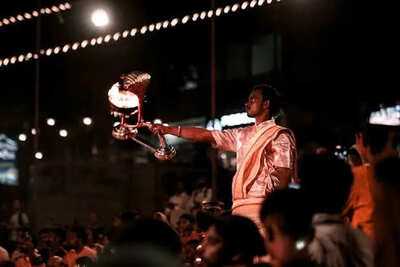 Even without strong faith, your intention matters.
Why are you chanting? Is it for peace, clarity, or curiosity?
A simple intention can guide your experience.
If you approach chanting with openness, even without belief, your mind remains receptive. This allows the practice to have a deeper impact.
On the other hand, if you approach it with resistance or negativity, the effect may feel limited.
You do not need complete faith. But a neutral or open mindset can make a difference.
Emotional and Mental Shifts Can Still HappenChanting can influence your emotions and mental state over time.
You may begin to feel more grounded or less reactive. Small changes in mood or focus may appear.
These shifts are often gradual and subtle.
Even without belief, your mind responds to the consistency of the practice.
This is similar to meditation. You do not need to believe in meditation for it to help you feel calmer.
Chanting works in a similar way.
The Difference Between Mechanical and Mindful Chanting
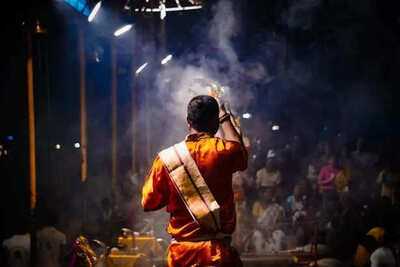
Chanting without belief can sometimes become mechanical.
You repeat the words, but your mind is elsewhere.
While this still has some effect, being slightly mindful can improve the experience.
Even if you do not fully believe, paying attention to the sound and rhythm can deepen the impact.
You do not need to force meaning. Just being present during the chant can make a difference.
Why Some People Feel No ChangeNot everyone notices immediate results from chanting.
This can happen for several reasons.
If the practice is irregular, the mind does not get enough time to adjust. If there is strong resistance, the experience may feel blocked.
Chanting is a gradual process. It works through consistency rather than instant results.
Understanding this helps set realistic expectations.
The Role of Faith in the Long Run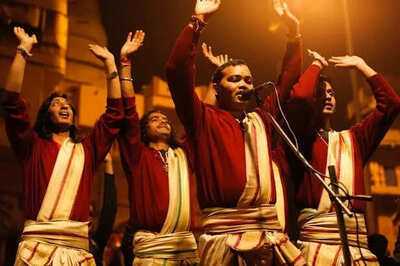 Faith can deepen the experience of chanting, but it is not always necessary at the beginning.
Think of faith as something that enhances the practice rather than defines it.
You can begin without belief and still experience benefits. Over time, if you connect with the practice, faith may naturally develop.
This makes chanting accessible to everyone, regardless of their starting point.
Chanting without belief is not meaningless. It can still affect your mind, emotions, and overall sense of calm.
The power of sound, repetition, and intention works beyond faith.
While belief can deepen the experience, it is not a requirement to begin.
If you approach chanting with openness and consistency, you may start noticing subtle changes over time.
In the end, chanting is not just about what you believe. It is about what you experience.
Unlock insightful tips and inspiration on personal growth, productivity, and well-being. Stay motivated and updated with the latest at My Life XP.
But what if you do not fully believe in it?
What if you chant just out of curiosity, habit, or even doubt?
This question is more common than people admit. Not everyone starts with deep faith. Some begin their journey with questions, confusion, or even skepticism.
The truth is that chanting works on different levels. It is not only about belief. It also involves sound, rhythm, repetition, and the way your mind responds to these elements.
Understanding this can help you see chanting in a new light.
The Power of Sound Works Beyond BeliefChanting is not just about words. It is about sound and vibration.
Every mantra creates a certain rhythm and frequency. When you repeat these sounds, your mind begins to follow that rhythm.
Even if you do not believe in the meaning of the chant, your brain still reacts to the repetition. It may begin to slow down, focus better, and feel calmer.
This is similar to listening to soothing music. You do not need to believe in music for it to affect your mood.
In the same way, chanting can create a subtle calming effect, even without faith.
Repetition Helps the Mind Settle
The human mind is often restless. Thoughts keep moving from one idea to another without pause.
Chanting introduces repetition. This repetition gives the mind something simple and steady to focus on.
Over time, this reduces mental noise.
Even if you start without belief, repeating a mantra can bring a sense of rhythm and order to your thoughts.
You may notice that your mind feels less scattered. You may feel a slight sense of calm or clarity.
This happens not because of belief, but because of the effect of repetition on the mind.
Belief Can Grow Through PracticeMany people think that belief must come first. But sometimes, belief develops after experience.
When you chant regularly, you may begin to notice small changes. You may feel calmer, more focused, or less anxious.
These changes can slowly build trust in the practice.
Instead of forcing belief, it grows naturally over time.
In many cases, people who started with doubt begin to feel connected to the practice after consistent repetition.
This shows that belief is not always the starting point. It can also be the result.
Your Intention Still Plays a Role
Why are you chanting? Is it for peace, clarity, or curiosity?
A simple intention can guide your experience.
If you approach chanting with openness, even without belief, your mind remains receptive. This allows the practice to have a deeper impact.
On the other hand, if you approach it with resistance or negativity, the effect may feel limited.
You do not need complete faith. But a neutral or open mindset can make a difference.
Emotional and Mental Shifts Can Still HappenChanting can influence your emotions and mental state over time.
You may begin to feel more grounded or less reactive. Small changes in mood or focus may appear.
These shifts are often gradual and subtle.
Even without belief, your mind responds to the consistency of the practice.
This is similar to meditation. You do not need to believe in meditation for it to help you feel calmer.
Chanting works in a similar way.
The Difference Between Mechanical and Mindful Chanting
Chanting without belief can sometimes become mechanical.
You repeat the words, but your mind is elsewhere.
While this still has some effect, being slightly mindful can improve the experience.
Even if you do not fully believe, paying attention to the sound and rhythm can deepen the impact.
You do not need to force meaning. Just being present during the chant can make a difference.
Why Some People Feel No ChangeNot everyone notices immediate results from chanting.
This can happen for several reasons.
If the practice is irregular, the mind does not get enough time to adjust. If there is strong resistance, the experience may feel blocked.
Chanting is a gradual process. It works through consistency rather than instant results.
Understanding this helps set realistic expectations.
The Role of Faith in the Long Run
Think of faith as something that enhances the practice rather than defines it.
You can begin without belief and still experience benefits. Over time, if you connect with the practice, faith may naturally develop.
This makes chanting accessible to everyone, regardless of their starting point.
Chanting without belief is not meaningless. It can still affect your mind, emotions, and overall sense of calm.
The power of sound, repetition, and intention works beyond faith.
While belief can deepen the experience, it is not a requirement to begin.
If you approach chanting with openness and consistency, you may start noticing subtle changes over time.
In the end, chanting is not just about what you believe. It is about what you experience.
Unlock insightful tips and inspiration on personal growth, productivity, and well-being. Stay motivated and updated with the latest at My Life XP.
Next Story