
What Human Foods Are Safe And Unsafe For Dogs Every Owner Must Know

What You Can And Cannot Feed Your Dog From Your Plate: Many dog owners often find it hard to resist sharing a bite of their meal with their furry companions. While some human foods can be safe and even beneficial for dogs, others can be extremely harmful or toxic. Understanding the difference is essential to ensure your pet’s health and safety. A balanced dog nutrition guide does not mean completely avoiding human food, but rather knowing what is safe, what to limit, and what to strictly avoid.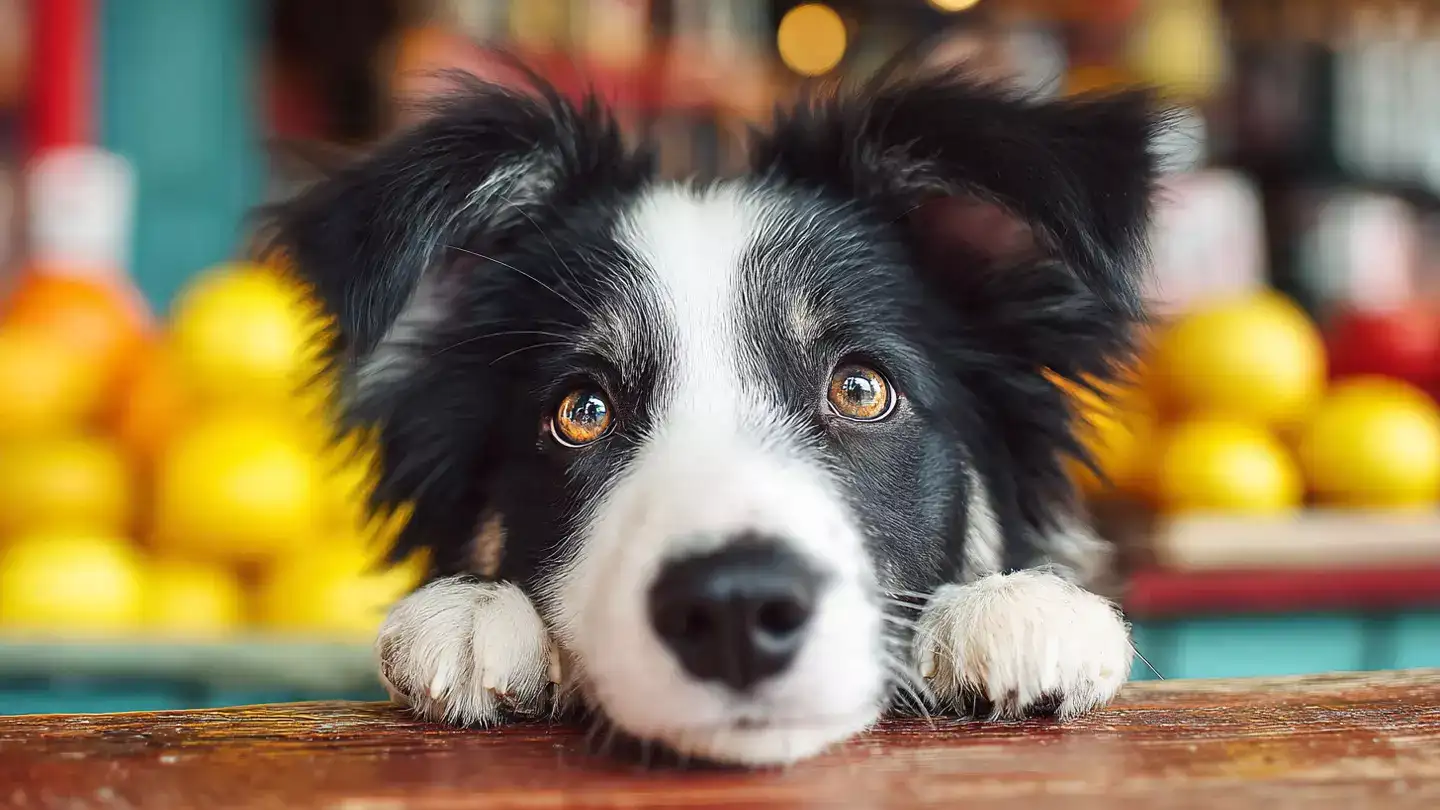
Even small quantities of toxic foods can lead to symptoms such as vomiting, diarrhoea, lethargy, or worse. This is why it is important to be cautious and informed before offering any food from your plate.
Cooked lean meats such as chicken or turkey are excellent sources of protein. Make sure they are unseasoned and free from bones.
Plain rice and boiled potatoes are gentle on the stomach and can be helpful if your dog is experiencing digestive issues.
Fruits like apples (without seeds), bananas, and blueberries are safe and provide essential vitamins. Vegetables such as carrots, cucumbers, and green beans are also good low-calorie options.
Plain yoghurt in small amounts can support digestion, provided your dog is not lactose intolerant. These foods can be a part of a balanced diet when offered occasionally.
Chocolate is one of the most dangerous items, as it contains substances that can affect a dog’s heart and nervous system.
Grapes and raisins can lead to kidney failure, even in small quantities. Onions and garlic, whether raw or cooked, can damage red blood cells and cause anaemia.
Alcohol and caffeine are also harmful and can affect the nervous system, leading to severe complications.
Artificial sweeteners like xylitol, often found in sugar-free products, can cause a rapid drop in blood sugar and liver damage.
Dairy products, for example, may lead to digestive discomfort in some dogs. Fatty foods can contribute to obesity and pancreatitis.
Salted or processed foods should be avoided as they are not suitable for a dog’s dietary needs. Moderation is key when offering any treat outside their regular diet.
Always avoid adding spices, oils, or seasonings, as these can be harmful. Stick to plain, simple preparations.
It is also important to maintain portion control. Human food should not replace a balanced dog diet but only serve as an occasional supplement.
Symptoms such as vomiting, diarrhoea, excessive drooling, weakness, or unusual behaviour should not be ignored. In such cases, seeking veterinary attention immediately is crucial.
Early intervention can make a significant difference in preventing serious health complications.
A little awareness goes a long way in preventing avoidable health risks. With the right approach, you can occasionally share your meals with your dog while keeping their well-being as the top priority.
Image Courtesy: Meta AI
Why Not All Human Foods Are Safe For Dogs
Dogs have a different digestive system compared to humans. Certain ingredients that are harmless to us can cause serious health issues in dogs, ranging from stomach upset to life-threatening conditions.Even small quantities of toxic foods can lead to symptoms such as vomiting, diarrhoea, lethargy, or worse. This is why it is important to be cautious and informed before offering any food from your plate.
Safe Human Foods For Dogs
There are several everyday foods that dogs can safely enjoy in moderation. These can even serve as healthy treats for dogs when given appropriately.Cooked lean meats such as chicken or turkey are excellent sources of protein. Make sure they are unseasoned and free from bones.
Plain rice and boiled potatoes are gentle on the stomach and can be helpful if your dog is experiencing digestive issues.
Fruits like apples (without seeds), bananas, and blueberries are safe and provide essential vitamins. Vegetables such as carrots, cucumbers, and green beans are also good low-calorie options.
Plain yoghurt in small amounts can support digestion, provided your dog is not lactose intolerant. These foods can be a part of a balanced diet when offered occasionally.
Foods Dogs Should Avoid Completely
Some human foods are known to be highly toxic foods for dogs and must never be given under any circumstances.Chocolate is one of the most dangerous items, as it contains substances that can affect a dog’s heart and nervous system.
Grapes and raisins can lead to kidney failure, even in small quantities. Onions and garlic, whether raw or cooked, can damage red blood cells and cause anaemia.
Alcohol and caffeine are also harmful and can affect the nervous system, leading to severe complications.
Artificial sweeteners like xylitol, often found in sugar-free products, can cause a rapid drop in blood sugar and liver damage.
Foods That Should Be Limited
Some foods are not toxic but should still be given with caution. These items can cause health issues if consumed in large amounts or too frequently.Dairy products, for example, may lead to digestive discomfort in some dogs. Fatty foods can contribute to obesity and pancreatitis.
Salted or processed foods should be avoided as they are not suitable for a dog’s dietary needs. Moderation is key when offering any treat outside their regular diet.
Tips For Feeding Dogs Human Food Safely
When introducing any new food, start with a small amount and observe how your dog reacts. This helps identify any allergies or sensitivities.Always avoid adding spices, oils, or seasonings, as these can be harmful. Stick to plain, simple preparations.
It is also important to maintain portion control. Human food should not replace a balanced dog diet but only serve as an occasional supplement.
Recognising Signs Of Food Toxicity
Even with precautions, accidental ingestion can happen. Being aware of warning signs can help you act quickly.Symptoms such as vomiting, diarrhoea, excessive drooling, weakness, or unusual behaviour should not be ignored. In such cases, seeking veterinary attention immediately is crucial.
Early intervention can make a significant difference in preventing serious health complications.
Making Informed Choices For Your Pet
Feeding your dog safely is not about eliminating all human food but about making informed decisions. By understanding which foods are safe human foods for dogs and which are harmful, you can ensure your pet stays healthy and happy.A little awareness goes a long way in preventing avoidable health risks. With the right approach, you can occasionally share your meals with your dog while keeping their well-being as the top priority.
Image Courtesy: Meta AI
Next Story