
What Indian Children Are Missing In Their Diet And Why Balanced Nutrition Matters

Common Nutritional Gaps In Indian Kids’ Diets And What Parents Need To Know: A child’s early years are crucial for physical growth, brain development and long-term health. While many Indian households ensure that children eat regular meals, nutrition experts often point out that quantity does not always mean quality. A large number of children consume enough calories but still miss out on essential vitamins and minerals required for proper development. These nutritional gaps in Indian children can quietly affect immunity, concentration, energy levels and overall growth. Understanding where these gaps occur is the first step towards improving child nutrition in India and building healthier eating habits from a young age.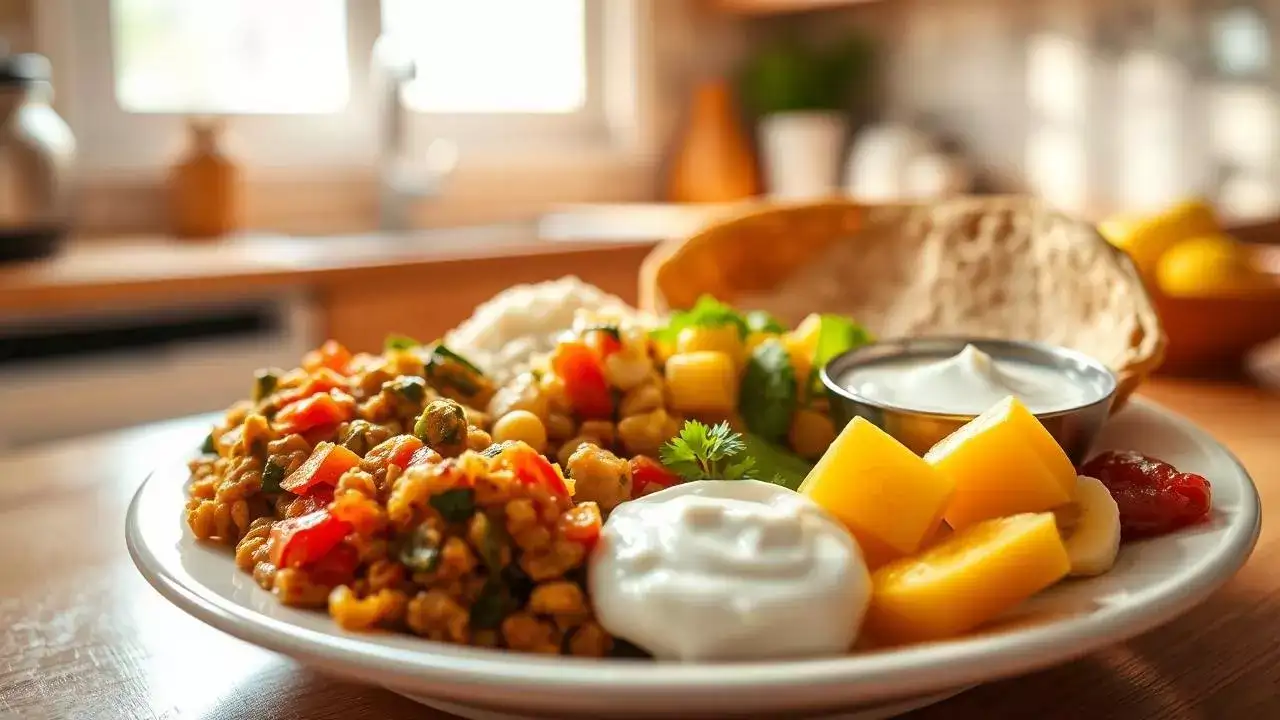
However, modern eating patterns have changed significantly. Many children today consume processed foods, sugary snacks and packaged items more frequently than home-cooked meals. Even when home food is available, diets may become repetitive and lack variety, which leads to nutrient deficiency in children .
A balanced diet for kids must include a mix of grains, pulses, vegetables, fruits, dairy products and healthy fats. Without this diversity, children may not receive all the nutrients their bodies require.
In many households, meals are heavily centred on rice, wheat or other grains, while protein sources such as pulses, eggs, dairy, nuts and legumes may be consumed in smaller quantities. As a result, children may receive enough carbohydrates but insufficient protein.
Low protein intake can affect growth, immunity and energy levels. Including foods such as lentils, paneer, yoghurt, eggs, beans and nuts in daily meals can help improve child nutrition in India. Even simple additions like roasted peanuts or sprouts can significantly boost protein intake.
Children who do not get enough iron may experience fatigue, poor concentration and reduced immunity. In some cases, iron deficiency can lead to anaemia, which affects both physical and mental development.
Many children’s diets lack sufficient iron-rich foods such as green leafy vegetables, lentils, jaggery, beans and fortified cereals. Encouraging the consumption of spinach, beetroot, dates and legumes can help bridge this nutritional gap.
Vitamin C-rich foods such as oranges, guava and tomatoes also help the body absorb iron more effectively when eaten alongside iron-rich meals.
Some children consume very little milk or dairy products, which are primary sources of calcium. Others may spend limited time outdoors, reducing natural vitamin D production from sunlight.
A lack of these nutrients during childhood may affect bone strength and overall development. To maintain a healthy diet for Indian kids , parents should encourage the consumption of milk, yoghurt, paneer and other calcium-rich foods. Outdoor play also plays an important role in supporting vitamin D levels naturally.
Fast foods and packaged snacks often replace fresh produce in children’s diets. Over time, this habit reduces the intake of fibre, vitamins and essential micronutrients.
Parents can address this by introducing fruits as snacks and incorporating vegetables creatively into meals. Colourful dishes, smoothies and stuffed parathas with vegetables can make healthy food more appealing for children.
Developing these habits early can significantly improve child health and nutrition in the long term.
These foods often provide high calories but very little nutritional value. Over time, excessive consumption can lead to poor dietary balance and increase the risk of health issues such as obesity or reduced immunity.
Replacing processed snacks with healthier alternatives like fruits, nuts, homemade snacks and yoghurt can help children maintain better nutritional balance.
Families can start by offering a variety of foods across different food groups, limiting packaged snacks and encouraging regular meal times. Involving children in grocery shopping or meal preparation may also help them develop a positive relationship with healthy foods.
When parents model healthy eating habits themselves, children are more likely to adopt similar behaviours. Over time, these simple steps can reduce nutritional gaps in Indian children and support stronger growth, better immunity and improved overall well-being.
Why Nutritional Balance Matters During Childhood
Childhood is a stage when the body grows rapidly and the brain develops essential cognitive functions. During this period, children require a balanced intake of proteins, vitamins, minerals, healthy fats and carbohydrates.However, modern eating patterns have changed significantly. Many children today consume processed foods, sugary snacks and packaged items more frequently than home-cooked meals. Even when home food is available, diets may become repetitive and lack variety, which leads to nutrient deficiency in children .
A balanced diet for kids must include a mix of grains, pulses, vegetables, fruits, dairy products and healthy fats. Without this diversity, children may not receive all the nutrients their bodies require.
Protein Deficiency In Daily Meals
Protein is essential for muscle development, tissue repair and overall growth. Yet protein intake remains one of the most common nutritional gaps in Indian children.In many households, meals are heavily centred on rice, wheat or other grains, while protein sources such as pulses, eggs, dairy, nuts and legumes may be consumed in smaller quantities. As a result, children may receive enough carbohydrates but insufficient protein.
Low protein intake can affect growth, immunity and energy levels. Including foods such as lentils, paneer, yoghurt, eggs, beans and nuts in daily meals can help improve child nutrition in India. Even simple additions like roasted peanuts or sprouts can significantly boost protein intake.
Lack Of Iron-Rich Foods
Iron deficiency is another major concern in child health and nutrition . Iron plays a critical role in the formation of haemoglobin, which carries oxygen throughout the body.Children who do not get enough iron may experience fatigue, poor concentration and reduced immunity. In some cases, iron deficiency can lead to anaemia, which affects both physical and mental development.
Many children’s diets lack sufficient iron-rich foods such as green leafy vegetables, lentils, jaggery, beans and fortified cereals. Encouraging the consumption of spinach, beetroot, dates and legumes can help bridge this nutritional gap.
Vitamin C-rich foods such as oranges, guava and tomatoes also help the body absorb iron more effectively when eaten alongside iron-rich meals.
Calcium And Vitamin D Shortfalls
Strong bones and teeth depend heavily on calcium and vitamin D. Unfortunately, these nutrients are often missing in the regular diets of many children.Some children consume very little milk or dairy products, which are primary sources of calcium. Others may spend limited time outdoors, reducing natural vitamin D production from sunlight.
A lack of these nutrients during childhood may affect bone strength and overall development. To maintain a healthy diet for Indian kids , parents should encourage the consumption of milk, yoghurt, paneer and other calcium-rich foods. Outdoor play also plays an important role in supporting vitamin D levels naturally.
Low Intake Of Fruits And Vegetables
Fruits and vegetables provide essential vitamins, minerals and antioxidants that support immunity and overall well-being. However, many children are reluctant to eat vegetables, leading to another significant nutritional gap.Fast foods and packaged snacks often replace fresh produce in children’s diets. Over time, this habit reduces the intake of fibre, vitamins and essential micronutrients.
Parents can address this by introducing fruits as snacks and incorporating vegetables creatively into meals. Colourful dishes, smoothies and stuffed parathas with vegetables can make healthy food more appealing for children.
Developing these habits early can significantly improve child health and nutrition in the long term.
Excess Sugar And Processed Food Consumption
Another emerging issue in child nutrition India is the high intake of sugar and processed foods. Many children consume biscuits, packaged juices, sugary cereals and fried snacks on a regular basis.These foods often provide high calories but very little nutritional value. Over time, excessive consumption can lead to poor dietary balance and increase the risk of health issues such as obesity or reduced immunity.
Replacing processed snacks with healthier alternatives like fruits, nuts, homemade snacks and yoghurt can help children maintain better nutritional balance.
Building Better Eating Habits At Home
Improving nutrition for children does not always require complex changes. Small and consistent habits can gradually create a healthier food environment at home.Families can start by offering a variety of foods across different food groups, limiting packaged snacks and encouraging regular meal times. Involving children in grocery shopping or meal preparation may also help them develop a positive relationship with healthy foods.
When parents model healthy eating habits themselves, children are more likely to adopt similar behaviours. Over time, these simple steps can reduce nutritional gaps in Indian children and support stronger growth, better immunity and improved overall well-being.
Next Story