
Agarwood: The ‘Liquid Gold’ That Grows Only When a Tree Falls Sick

When we think of the world’s most expensive materials, gold and diamonds usually top the list. But hidden deep inside tropical forests is a rare wood that can cost even more. Meet Agarwood , often called ‘ Liquid Gold ’, a natural treasure so precious that it can fetch over ₹1 crore per kilo.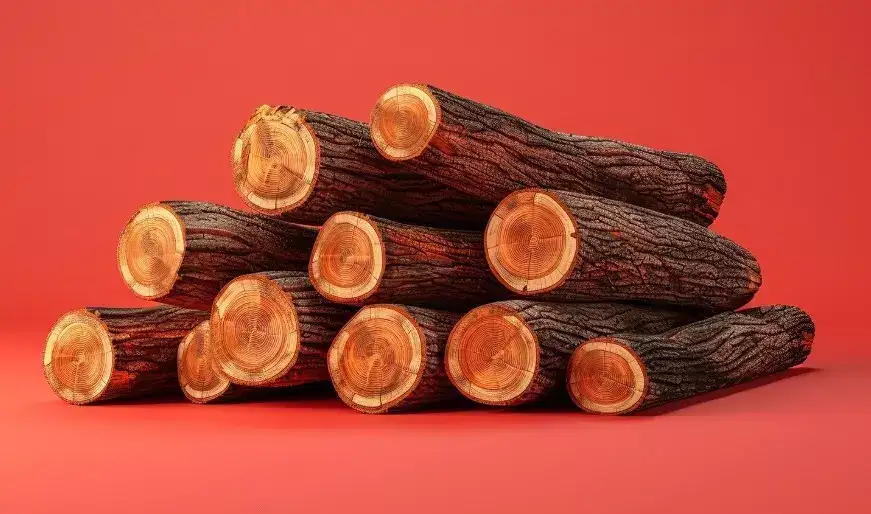
So what makes a piece of wood worth more than gold? The answer lies in an unusual and fascinating process.
No infection, no fortune.
India’s Assam is among the major global hubs for Agarwood cultivation and export, adding to its economic importance.
In the end, Agarwood’s story is what makes it priceless, a fragrance born from patience, rarity, and a tree’s struggle to survive. That’s why this forest secret truly deserves its name: Liquid Gold.
So what makes a piece of wood worth more than gold? The answer lies in an unusual and fascinating process.
A luxury born from illness
Agarwood comes from Aquilaria trees, found mainly in Southeast Asia and parts of India. Here’s the twist: the tree becomes valuable only when it gets infected. When attacked by a specific fungus, the tree produces a dark, aromatic resin as a defence mechanism. Over many years, this resin-rich wood transforms into Agarwood.No infection, no fortune.
Rarer than you think
Not every Aquilaria tree produces Agarwood. In fact, only about 2-7 percent of these trees naturally develop the resin. The process can take 10 to 30 years, making natural Agarwood extremely rare. This scarcity, combined with soaring global demand, pushes its price into the luxury stratosphere. Naturally formed Agarwood is far more valuable than artificially induced versions.You may also like
- Gujarat Police nabs prime accused in inter-state child trafficking case
- AstraZeneca gets CDSCO approval for Durvalumab in gastric cancer treatment
- Hina Khan takes a fun acting challenge, asks 'Kaisa laga?'
- HCLTech to transform aviation maintenance operations for HAESL
- Tourism in Jammu-Kashmir shows steady growth, records 1.78 crore visits in 2025
Kynam: The crown jewel
At the top of the Agarwood hierarchy sits Kynam, the rarest and most prized grade. Its value is almost unbelievable, around $10,000 (₹8.5 lakh) per gram. Just 10 grams of Kynam can be worth more than a kilo of gold. In one historic sale, 2 kg of Kynam reportedly sold for ₹154 crore, cementing its status as the world’s most expensive wood.Why the world wants it
Agarwood is often called the ‘God of Fragrances’. Its deep, complex aroma is a key ingredient in ultra-luxury perfumes and traditional attars. Beyond fragrance, it plays an important role in Hindu, Islamic, and Buddhist rituals, where it is burned as incense. In traditional medicine, Agarwood is also used to help relieve stress and calm the mind.India’s Assam is among the major global hubs for Agarwood cultivation and export, adding to its economic importance.
An endangered luxury
The same demand that made Agarwood legendary has also put it at risk. Illegal logging and overharvesting have pushed Aquilaria trees toward extinction. Today, strict international laws regulate Agarwood trade, making genuine natural Agarwood a rare indulgence, largely accessible only to collectors, luxury brands, and billionaires.In the end, Agarwood’s story is what makes it priceless, a fragrance born from patience, rarity, and a tree’s struggle to survive. That’s why this forest secret truly deserves its name: Liquid Gold.






More from our partners


Loving Newspoint? Download the app now
