What is Daifuku? A Guide to Japan’s Beloved Mochi Dessert

Soft, sweet, and delightfully chewy — Daifuku is a traditional Japanese dessert that has captured hearts both in Japan and around the world. With its pillowy rice cake exterior and a delicious surprise hidden within, daifuku is more than just a treat; it’s a bite-sized symbol of Japanese confectionery craftsmanship and culture.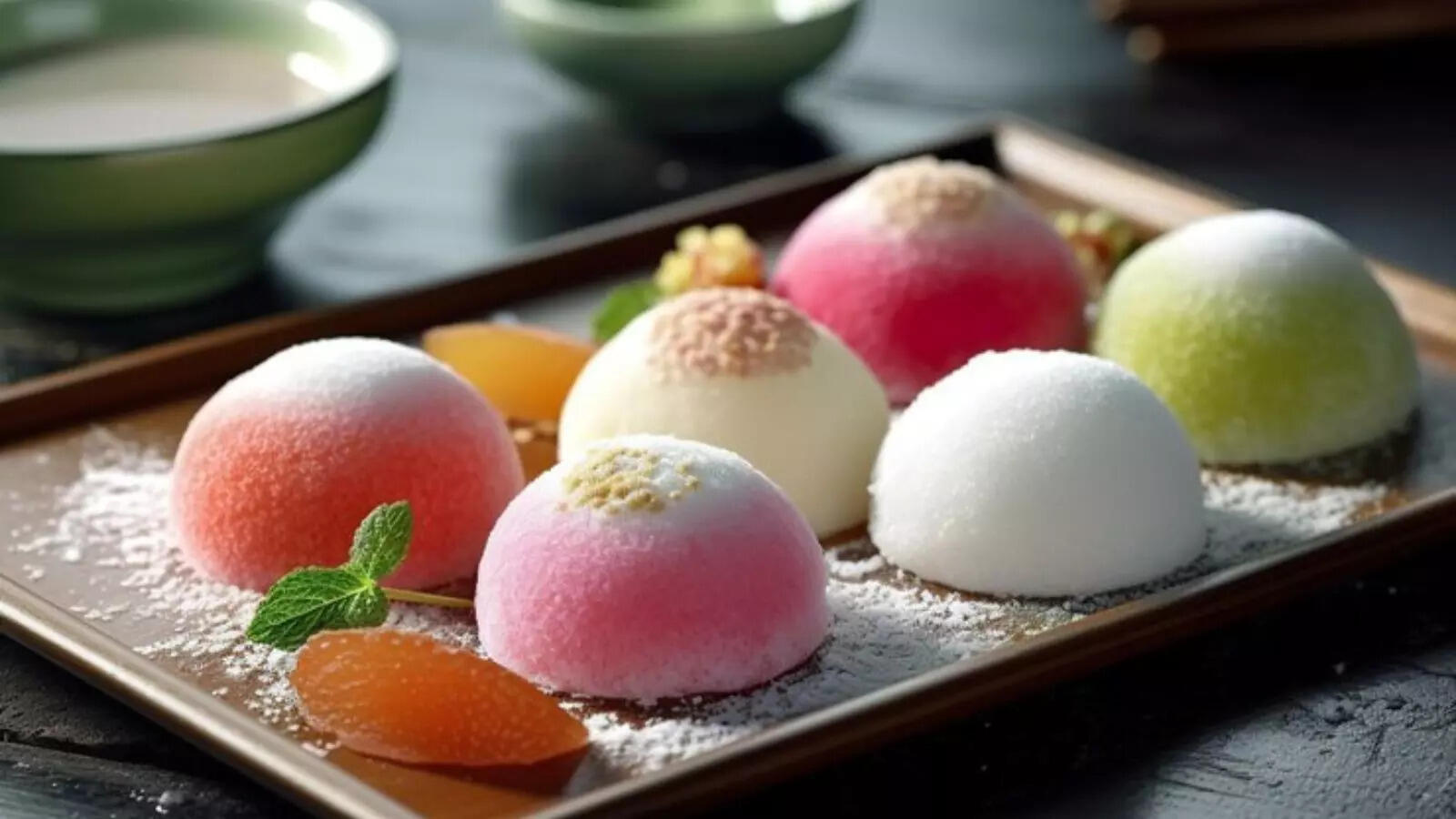
What Exactly is Daifuku?
Daifuku , which translates to “great luck” or “great fortune,” is a small, round mochi (glutinous rice cake) typically filled with a sweet center. The most common filling is anko — a smooth or chunky paste made from sweetened red azuki beans. However, modern twists have introduced fillings like fresh strawberries (ichigo daifuku), sweet cream, matcha paste, and even ice cream.
A Bite-Sized History
Daifuku’s origins trace back to the Edo period (1603–1868), when mochi was already a popular staple in ceremonial and everyday life. Initially called harabuto mochi (meaning "belly-thick mochi") due to its stuffed appearance, the name was later changed to daifuku to symbolize good luck and prosperity — making it a favorite during Japanese festivals and celebrations.
What’s It Made Of?
Daifuku’s magic lies in its simplicity and texture. The mochi dough is made by pounding glutinous rice or mixing glutinous rice flour (mochiko) with water and sugar. The result is a stretchy, sticky dough that is carefully wrapped around a soft filling. A light coating of cornstarch or potato starch prevents it from sticking and gives it a dusted look.
Popular Varieties of Daifuku
How is Daifuku Eaten?
Daifuku is typically enjoyed as a snack or dessert, often paired with green tea. It’s best eaten fresh, as mochi tends to harden over time. In Japan, it’s available in supermarkets, traditional sweet shops (wagashi-ya), and increasingly in global Asian grocery stores or cafes.
Cultural Significance
More than just a dessert, daifuku plays a role in Japanese customs. It’s commonly given as a gift during festivals like New Year or Hinamatsuri (Girls’ Day), symbolizing good luck and happiness. Its round shape and filling also represent harmony and inner contentment.
Where to Find It
While Japan remains the best place to savor authentic daifuku, you can now find it worldwide in Japanese bakeries, Asian dessert cafes, or even in frozen aisles of supermarkets. Some brands also offer daifuku-making kits for adventurous home chefs.
Daifuku is a beautiful fusion of flavor, tradition, and craftsmanship — a dessert that tells a story in every bite. Whether you’re enjoying a classic anko version or indulging in a trendy ice cream-filled one, daifuku is a delicious way to experience a little piece of Japan.
What Exactly is Daifuku?
Daifuku , which translates to “great luck” or “great fortune,” is a small, round mochi (glutinous rice cake) typically filled with a sweet center. The most common filling is anko — a smooth or chunky paste made from sweetened red azuki beans. However, modern twists have introduced fillings like fresh strawberries (ichigo daifuku), sweet cream, matcha paste, and even ice cream.
A Bite-Sized History
Daifuku’s origins trace back to the Edo period (1603–1868), when mochi was already a popular staple in ceremonial and everyday life. Initially called harabuto mochi (meaning "belly-thick mochi") due to its stuffed appearance, the name was later changed to daifuku to symbolize good luck and prosperity — making it a favorite during Japanese festivals and celebrations.
You may also like
- Delhi: Air quality improves to 'poor' category as AQI drops to 269
- Cyclone Ditwah: Red alert in TN's Tiruvallur, Ranipet; multiple districts to get heavy rainfall
- Rajit Kapoor Returns As Detective In 'Kaisi Ye Paheli,' Filmmaker Ananyabrata Chakravorty's Heart-Tugging Hill-Town Thriller
- 'Cosmic Creepy-Crawly': Nasa unveils new Red Spider Nebula image; reveals new details
- Zelensky names new head for peace talks with US, Russia
What’s It Made Of?
Daifuku’s magic lies in its simplicity and texture. The mochi dough is made by pounding glutinous rice or mixing glutinous rice flour (mochiko) with water and sugar. The result is a stretchy, sticky dough that is carefully wrapped around a soft filling. A light coating of cornstarch or potato starch prevents it from sticking and gives it a dusted look.
Popular Varieties of Daifuku
- Anko Daifuku – The classic version filled with sweet red bean paste.
- Ichigo Daifuku – A juicy strawberry wrapped inside mochi with anko or cream.
- Yomogi Daifuku – Made with mugwort-flavored mochi for a herbal note.
- Mame Daifuku – Features whole red or black beans in the mochi for added texture.
- Ice Cream Daifuku – A modern twist with frozen cream or ice cream inside — perfect for summer.
How is Daifuku Eaten?
Daifuku is typically enjoyed as a snack or dessert, often paired with green tea. It’s best eaten fresh, as mochi tends to harden over time. In Japan, it’s available in supermarkets, traditional sweet shops (wagashi-ya), and increasingly in global Asian grocery stores or cafes.
Cultural Significance
More than just a dessert, daifuku plays a role in Japanese customs. It’s commonly given as a gift during festivals like New Year or Hinamatsuri (Girls’ Day), symbolizing good luck and happiness. Its round shape and filling also represent harmony and inner contentment.
Where to Find It
While Japan remains the best place to savor authentic daifuku, you can now find it worldwide in Japanese bakeries, Asian dessert cafes, or even in frozen aisles of supermarkets. Some brands also offer daifuku-making kits for adventurous home chefs.
Daifuku is a beautiful fusion of flavor, tradition, and craftsmanship — a dessert that tells a story in every bite. Whether you’re enjoying a classic anko version or indulging in a trendy ice cream-filled one, daifuku is a delicious way to experience a little piece of Japan.






More from our partners


Loving Newspoint? Download the app now
