
What Is Hanuman's Real Name? Most Don't Know


What if the name you’ve been chanting for years isn’t actually his original name? It may sound surprising almost hard to believe. But when you look deeper into the story of Hanuman, a different truth slowly begins to unfold. This is not just a tale of strength and devotion, but of meaning hidden within identity. In ancient traditions, names were never random; they were shaped by events, experiences, and transformations. Every name carried a story. And Hanuman’s name is no exception. It reflects a powerful moment from his past one that changed how the world would remember him forever.
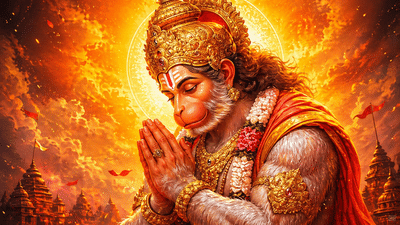
The Meaning Hidden in “Hanuman”
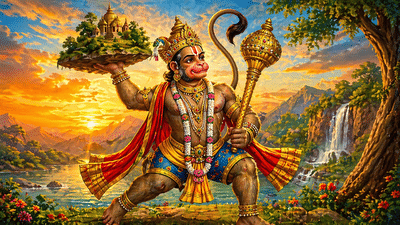
The name “Hanuman” comes from the Sanskrit word “Hanu,” meaning jaw. It is linked to a powerful childhood incident. According to tradition, young Hanuman once mistook the sun for a fruit and leaped to eat it. In response, Indra struck him with a thunderbolt, injuring his jaw. This moment became a defining point in his story, and from then on, he was known as Hanuman the one with the marked jaw. His name is not just a label, but a memory of transformation.
The Childhood Incident That Changed Everything

As a child, Hanuman’s curiosity knew no limits. Seeing the glowing sun, he believed it was a ripe fruit and leaped towards it. This act was not just playful it showed his immense power. But when Indra intervened, the strike left him unconscious. This event shocked the gods, who realized his divine potential. What seemed like a mistake turned into a moment that revealed his true strength. It also marked the beginning of the many blessings he would receive.
From Injury to Immense Power

After the incident, the gods granted Hanuman extraordinary blessings. They ensured he would be protected from weapons and filled with immense strength. This is why he is also called Bajrangbali symbolizing a body as strong as a thunderbolt. His story shows a powerful shift: what began as an injury turned into a source of strength. It reflects a deeper idea sometimes, the moments that hurt us the most also shape our greatest power.
Many Names, Many MeaningsHanuman is known by many names, each revealing a different aspect of his identity. As the son of Anjani, he is called Anjaneya. As Bajrangbali, he represents strength. But one name stands out Sundar.” It is believed to be his original name, symbolizing inner and outer beauty. This name is deeply connected to the chapter “Sundar Kand” in the Ramayana, where his qualities shine the most.
Why It Is Called Sundar KandThe Sundar Kand is one of the most important parts of the Ramayana. It focuses on Hanuman’s journey, courage, and devotion. The word “Sundar” means beautiful not just in appearance, but in action and intention. This reflects Hanuman’s true nature. His strength, humility, and devotion come together in this chapter. It is not just a story, but a reminder that true beauty lies in character, not just form.
Unlock insightful tips and inspiration on personal growth, productivity, and well-being. Stay motivated and updated with the latest at My Life XP.
Frequently Asked Questions (FAQs) 1. Was “Hanuman” his original name?
According to many traditional interpretations, “Hanuman” is a name derived from an incident, not necessarily his birth name. It reflects a defining moment in his childhood.
2. What does the word “Hanu” mean?
“Hanu” is a Sanskrit word that means jaw. The name “Hanuman” is often linked to an event where his jaw was injured.
3. What incident led to the name Hanuman?
As a child, he leaped toward the sun thinking it was a fruit. In the process, he was struck by a divine weapon, which injured his jaw and led to the name.
4. Why is he called Bajrangbali?
“Bajrang” means strong like a thunderbolt, and “Bali” means powerful. This name reflects his immense strength and invincible nature.
5. Why is he also called Anjaneya?
He is called Anjaneya because he is the son of Mother Anjani. This name represents his origin and lineage.
The Meaning Hidden in “Hanuman”
A name born from an event
The name “Hanuman” comes from the Sanskrit word “Hanu,” meaning jaw. It is linked to a powerful childhood incident. According to tradition, young Hanuman once mistook the sun for a fruit and leaped to eat it. In response, Indra struck him with a thunderbolt, injuring his jaw. This moment became a defining point in his story, and from then on, he was known as Hanuman the one with the marked jaw. His name is not just a label, but a memory of transformation.
The Childhood Incident That Changed Everything
Innocence that revealed divine strength
As a child, Hanuman’s curiosity knew no limits. Seeing the glowing sun, he believed it was a ripe fruit and leaped towards it. This act was not just playful it showed his immense power. But when Indra intervened, the strike left him unconscious. This event shocked the gods, who realized his divine potential. What seemed like a mistake turned into a moment that revealed his true strength. It also marked the beginning of the many blessings he would receive.
From Injury to Immense Power
Each name reflects a different aspect
After the incident, the gods granted Hanuman extraordinary blessings. They ensured he would be protected from weapons and filled with immense strength. This is why he is also called Bajrangbali symbolizing a body as strong as a thunderbolt. His story shows a powerful shift: what began as an injury turned into a source of strength. It reflects a deeper idea sometimes, the moments that hurt us the most also shape our greatest power.
Many Names, Many MeaningsHanuman is known by many names, each revealing a different aspect of his identity. As the son of Anjani, he is called Anjaneya. As Bajrangbali, he represents strength. But one name stands out Sundar.” It is believed to be his original name, symbolizing inner and outer beauty. This name is deeply connected to the chapter “Sundar Kand” in the Ramayana, where his qualities shine the most.
Why It Is Called Sundar KandThe Sundar Kand is one of the most important parts of the Ramayana. It focuses on Hanuman’s journey, courage, and devotion. The word “Sundar” means beautiful not just in appearance, but in action and intention. This reflects Hanuman’s true nature. His strength, humility, and devotion come together in this chapter. It is not just a story, but a reminder that true beauty lies in character, not just form.
Unlock insightful tips and inspiration on personal growth, productivity, and well-being. Stay motivated and updated with the latest at My Life XP.
Frequently Asked Questions (FAQs) 1. Was “Hanuman” his original name?
According to many traditional interpretations, “Hanuman” is a name derived from an incident, not necessarily his birth name. It reflects a defining moment in his childhood.
“Hanu” is a Sanskrit word that means jaw. The name “Hanuman” is often linked to an event where his jaw was injured.
3. What incident led to the name Hanuman?
As a child, he leaped toward the sun thinking it was a fruit. In the process, he was struck by a divine weapon, which injured his jaw and led to the name.
4. Why is he called Bajrangbali?
5. Why is he also called Anjaneya?
He is called Anjaneya because he is the son of Mother Anjani. This name represents his origin and lineage.
Next Story