
What Is Ube And Why Is It Taking Over Social Media

Scroll through Instagram or Yout ube lately, and you have probably noticed a striking shade of violet; popping up everywhere from lattes to cheesecakes. That vibrant purple ingredient is ube, and it is quickly becoming one of the most talked about trends online. But what exactly is ube and why has it captured the internet’s attention?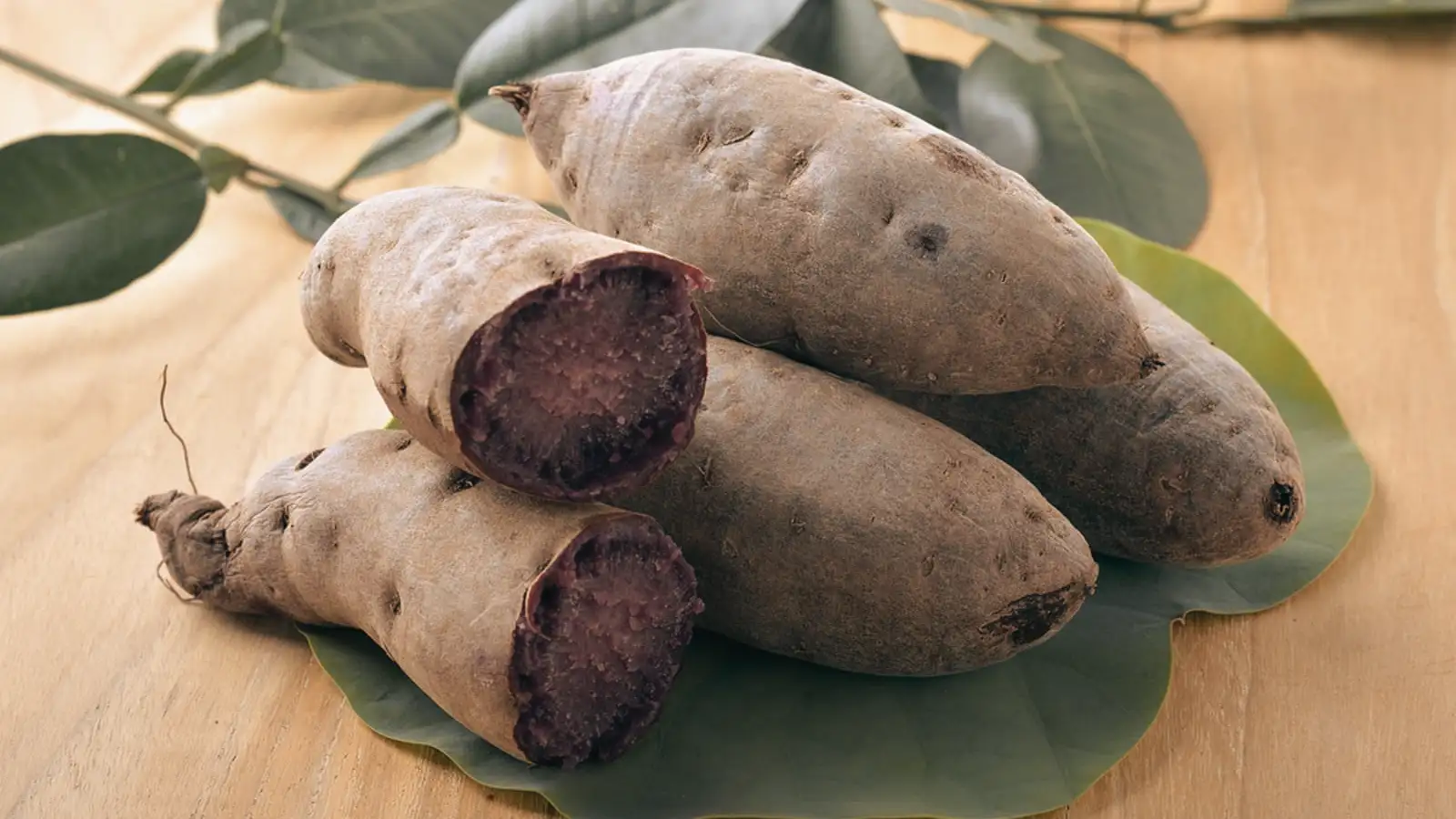
Scroll through Instagram or YouTube lately, and you have probably noticed a striking shade of violet popping up everywhere from lattes to cheesecakes. That vibrant purple ingredient is ube, and it is quickly becoming one of the most talked-about food trends online. But what exactly is ube, and why has it captured the internet's attention?
Ube (pronounced oo-beh) is a purple yam native to the Philippines, where it has long been a staple of dessert culture. Unlike the orange sweet potato it is often mistaken for, ube boasts a naturally deep violet colour and a subtly sweet, nutty flavour with hints of vanilla.
Traditionally, ube is used to make Ube Halaya a rich, jam-like dessert prepared by boiling and mashing the yam with milk, sugar, and butter. This halaya serves as a base or filling for a wide range of Filipino treats, from flaky pastries to the beloved shaved ice dessert known as halo-halo.
The rise of ube can be attributed to several converging factors. First and foremost, aesthetics drive social media, and ube delivers spectacularly. Its naturally vivid purple hue makes it impossible to scroll past, whether it appears as a swirl of soft-serve, a pastel latte, or a marbled cheesecake. On visually driven platforms like Instagram and YouTube, that kind of colour stops thumbs and earns shares.
Beyond its looks, ube has ridden a broader wave of growing global appreciation for Southeast Asian cuisines. Filipino food, long underrepresented on the world stage, is finally gaining the recognition it deserves, and ube has become a welcoming gateway introducing international audiences to Filipino flavours through the universally beloved medium of dessert.
Modern cafes and bakeries have also embraced ube for its remarkable versatility. It now appears in croissants, pancakes, bubble tea, and even cocktails. For chefs eager to offer something fresh, ube allows them to reinvent familiar favourites with a distinctive, on-trend twist that keeps customers curious and coming back.
Part of ube's broad appeal also lies in its flavour profile. Often described as a blend of vanilla, pistachio, and coconut, it strikes a compelling balance between novelty and familiarity, adventurous enough to feel exciting, yet approachable enough for first-time tasters. Unlike artificial food colourings, ube provides both its stunning hue and its taste entirely naturally, which resonates strongly with today's ingredient-conscious consumers.
Ube is frequently confused with taro, another purple-hued root popular in Asian cuisine. However, the two are quite distinct. Taro has a more muted colour and a starchy, mildly nutty flavour, whereas ube is sweeter and far better suited to desserts. Many ‘purple’ drinks sold globally are actually taro-based, but ube is rapidly becoming the preferred choice for its richer colour and more indulgent taste.
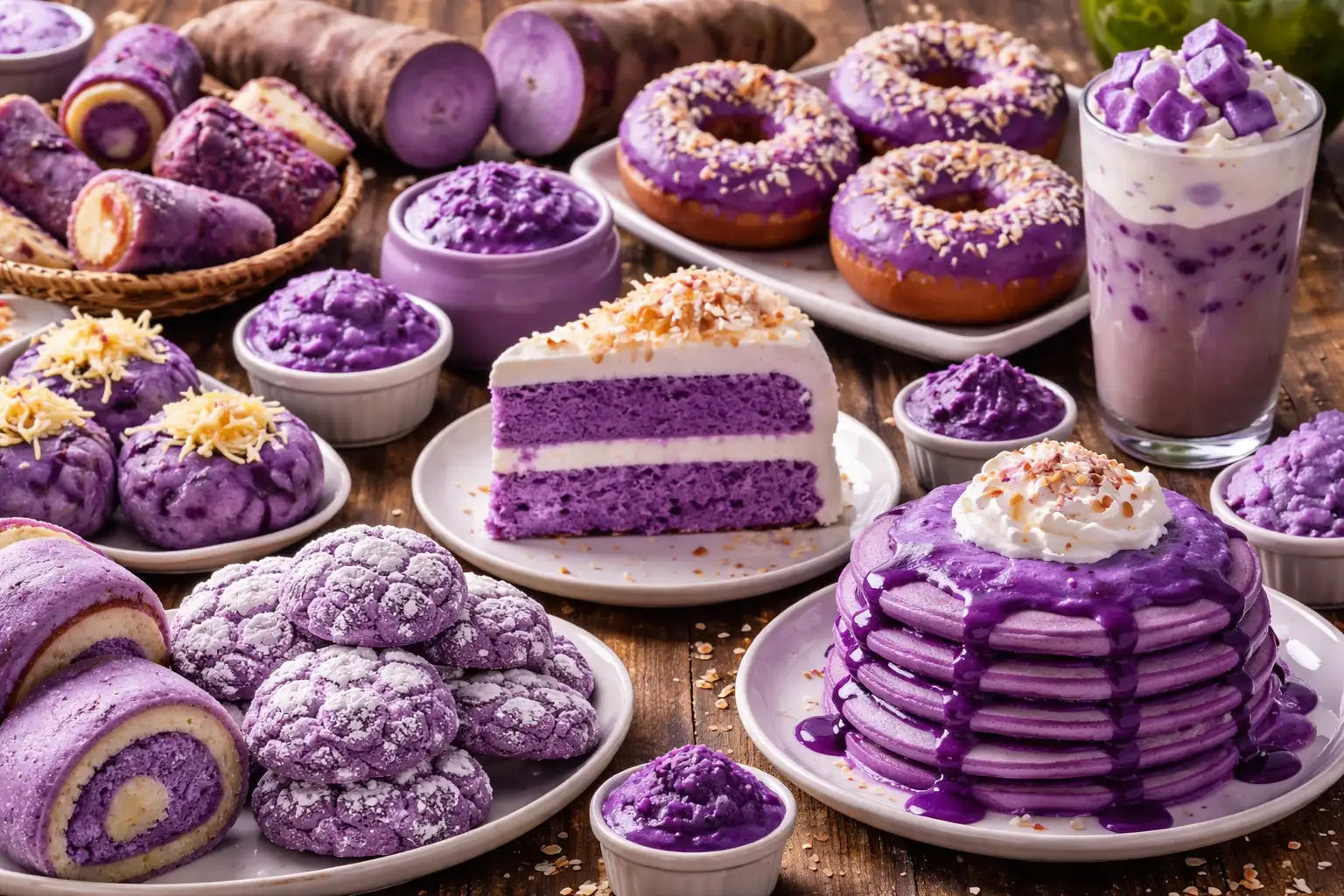
Ultimately, ube's explosion in popularity is a product of the digital age. A single viral video — someone pulling apart a gooey ube cheesecake, for instance — can rack up millions of views and prompt cafes worldwide to replicate the trend overnight. Food influencers and bloggers have been instrumental in propelling ube forward, celebrating not just its visual drama but its rich cultural heritage, giving this humble Filipino yam a truly global moment.
Scroll through Instagram or YouTube lately, and you have probably noticed a striking shade of violet popping up everywhere from lattes to cheesecakes. That vibrant purple ingredient is ube, and it is quickly becoming one of the most talked-about food trends online. But what exactly is ube, and why has it captured the internet's attention?
What Is Ube?
Ube (pronounced oo-beh) is a purple yam native to the Philippines, where it has long been a staple of dessert culture. Unlike the orange sweet potato it is often mistaken for, ube boasts a naturally deep violet colour and a subtly sweet, nutty flavour with hints of vanilla.
Traditionally, ube is used to make Ube Halaya a rich, jam-like dessert prepared by boiling and mashing the yam with milk, sugar, and butter. This halaya serves as a base or filling for a wide range of Filipino treats, from flaky pastries to the beloved shaved ice dessert known as halo-halo.
Why Is It Trending?
The rise of ube can be attributed to several converging factors. First and foremost, aesthetics drive social media, and ube delivers spectacularly. Its naturally vivid purple hue makes it impossible to scroll past, whether it appears as a swirl of soft-serve, a pastel latte, or a marbled cheesecake. On visually driven platforms like Instagram and YouTube, that kind of colour stops thumbs and earns shares.
Beyond its looks, ube has ridden a broader wave of growing global appreciation for Southeast Asian cuisines. Filipino food, long underrepresented on the world stage, is finally gaining the recognition it deserves, and ube has become a welcoming gateway introducing international audiences to Filipino flavours through the universally beloved medium of dessert.
Modern cafes and bakeries have also embraced ube for its remarkable versatility. It now appears in croissants, pancakes, bubble tea, and even cocktails. For chefs eager to offer something fresh, ube allows them to reinvent familiar favourites with a distinctive, on-trend twist that keeps customers curious and coming back.
Part of ube's broad appeal also lies in its flavour profile. Often described as a blend of vanilla, pistachio, and coconut, it strikes a compelling balance between novelty and familiarity, adventurous enough to feel exciting, yet approachable enough for first-time tasters. Unlike artificial food colourings, ube provides both its stunning hue and its taste entirely naturally, which resonates strongly with today's ingredient-conscious consumers.
Ube vs. Taro: Setting the Record Straight
Ube is frequently confused with taro, another purple-hued root popular in Asian cuisine. However, the two are quite distinct. Taro has a more muted colour and a starchy, mildly nutty flavour, whereas ube is sweeter and far better suited to desserts. Many ‘purple’ drinks sold globally are actually taro-based, but ube is rapidly becoming the preferred choice for its richer colour and more indulgent taste.
The Algorithm Effect
Ultimately, ube's explosion in popularity is a product of the digital age. A single viral video — someone pulling apart a gooey ube cheesecake, for instance — can rack up millions of views and prompt cafes worldwide to replicate the trend overnight. Food influencers and bloggers have been instrumental in propelling ube forward, celebrating not just its visual drama but its rich cultural heritage, giving this humble Filipino yam a truly global moment.
Next Story