
What Lifestyle Changes Can Reduce Long-Term Risks in PCOS?


You might first notice PCOS because your periods are irregular or because you struggle with weight gain, acne, or mood swings.
But what happens when these symptoms don’t stay just physical? What if they slowly lead to diabetes, heart problems, or emotional stress that affects your daily life?
In India, PCOS affects roughly 3.7–22.5% of women of reproductive age, making it one of the most common hormonal disorders in the country. Many women hear about PCOS too late, after years of unexplained symptoms or when long-term health issues surface.
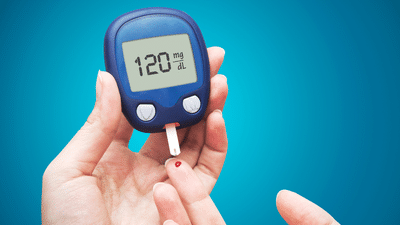
Have you ever wondered, “ Could these early struggles I’m facing today lead to serious health problems years from now?”
Let’s discuss what PCOS is, its long-term health risks, and tips to prevent them.
What is PCOS?
Polycystic Ovary Syndrome (PCOS) is a common hormonal condition that affects how a woman’s ovaries work. It involves higher levels of androgens (male hormones), irregular ovulation, and often tiny fluid-filled sacs (cysts) on the ovaries. While many women first notice PCOS through changes in their periods or appearance, the condition also affects metabolism, insulin sensitivity, and hormone balance. These factors can increase the risk of serious health problems over time.
Note: When PCOS affects insulin and hormone balance, it can increase the risk of long-term conditions such as type 2 diabetes, heart disease, and even emotional challenges.
What Are the Long-Term Health Risks of PCOS?
Polycystic Ovary Syndrome (PCOS) doesn’t just affect periods or appearance. It can influence your health for years to come. Here are the long-term health risks of PCOS.
Essential Tips to Reduce the Long-Term Health Risks of PCOS
Managing PCOS effectively goes beyond addressing immediate symptoms; it involves taking active steps to minimise the risk of long-term health complications. Women with PCOS can significantly influence their overall well-being with the right strategies that support metabolic, cardiovascular, and emotional health.
Tip: Track your weight weekly, set realistic goals, and consult a nutritionist to create a sustainable weight management plan.
Tip: Include more vegetables, lentils, eggs, fish, nuts, and seeds in daily meals, and limit processed foods and sugary drinks.
Tip: Aim for at least 30 minutes of moderate exercise most days, including brisk walking, cycling, yoga, or light resistance training, which are excellent options.
Tip: Practice mindfulness, journaling, or meditation daily, and don’t hesitate to seek professional counselling if emotional challenges feel overwhelming.
PCOS is more than irregular periods. It is a condition that can influence long-term health in multiple ways. When you understand the early risks of diabetes, heart disease, mental health challenges, and other complications, it’s easier to take proactive steps to protect your health. Implementing the right tips, such as lifestyle management, regular medical check-ups, and emotional support, creates a foundation for healthier living with PCOS.
You’re not alone in your journey when trying to conceive. Join our supportive community to connect with others, share experiences, and find encouragement every step of the way.
FAQs on What Lifestyle Changes Can Reduce Long-Term Risks in PCOSIs it possible to completely cure PCOS?
PCOS cannot be cured, but you can manage symptoms and long-term risks through lifestyle changes and medical care. Does every woman with PCOS develop diabetes?
No, but insulin resistance is common. Healthy lifestyle choices can significantly reduce the risk.
But what happens when these symptoms don’t stay just physical? What if they slowly lead to diabetes, heart problems, or emotional stress that affects your daily life?
In India, PCOS affects roughly 3.7–22.5% of women of reproductive age, making it one of the most common hormonal disorders in the country. Many women hear about PCOS too late, after years of unexplained symptoms or when long-term health issues surface.
Have you ever wondered, “ Could these early struggles I’m facing today lead to serious health problems years from now?”
Let’s discuss what PCOS is, its long-term health risks, and tips to prevent them.
What is PCOS?
Polycystic Ovary Syndrome (PCOS) is a common hormonal condition that affects how a woman’s ovaries work. It involves higher levels of androgens (male hormones), irregular ovulation, and often tiny fluid-filled sacs (cysts) on the ovaries. While many women first notice PCOS through changes in their periods or appearance, the condition also affects metabolism, insulin sensitivity, and hormone balance. These factors can increase the risk of serious health problems over time.
Note: When PCOS affects insulin and hormone balance, it can increase the risk of long-term conditions such as type 2 diabetes, heart disease, and even emotional challenges.
What Are the Long-Term Health Risks of PCOS?
Polycystic Ovary Syndrome (PCOS) doesn’t just affect periods or appearance. It can influence your health for years to come. Here are the long-term health risks of PCOS.
- Diabetes & Insulin Resistance
- Heart Disease & Metabolic Syndrome
- Mental Health Challenges
- Fertility and Reproductive Health
- Other Health Considerations
Essential Tips to Reduce the Long-Term Health Risks of PCOS
Managing PCOS effectively goes beyond addressing immediate symptoms; it involves taking active steps to minimise the risk of long-term health complications. Women with PCOS can significantly influence their overall well-being with the right strategies that support metabolic, cardiovascular, and emotional health.
- Maintain a Healthy Weight
Tip: Track your weight weekly, set realistic goals, and consult a nutritionist to create a sustainable weight management plan.
- Adopt a Balanced Diet
Tip: Include more vegetables, lentils, eggs, fish, nuts, and seeds in daily meals, and limit processed foods and sugary drinks.
- Exercise Regularly
Tip: Aim for at least 30 minutes of moderate exercise most days, including brisk walking, cycling, yoga, or light resistance training, which are excellent options.
- Address Mental Health
Tip: Practice mindfulness, journaling, or meditation daily, and don’t hesitate to seek professional counselling if emotional challenges feel overwhelming.
PCOS is more than irregular periods. It is a condition that can influence long-term health in multiple ways. When you understand the early risks of diabetes, heart disease, mental health challenges, and other complications, it’s easier to take proactive steps to protect your health. Implementing the right tips, such as lifestyle management, regular medical check-ups, and emotional support, creates a foundation for healthier living with PCOS.
You’re not alone in your journey when trying to conceive. Join our supportive community to connect with others, share experiences, and find encouragement every step of the way.
FAQs on What Lifestyle Changes Can Reduce Long-Term Risks in PCOS
PCOS cannot be cured, but you can manage symptoms and long-term risks through lifestyle changes and medical care.
No, but insulin resistance is common. Healthy lifestyle choices can significantly reduce the risk.
Next Story