
What To Do If Your Cat Is Always Sneezing And Showing Signs Of Illness At Home

Why Cats Sneezing Frequently Should Not Be Ignored: Occasional sneezing in cats is quite normal and often harmless. However, if your cat is sneezing repeatedly throughout the day or over several days, it may indicate an underlying issue that needs attention. Persistent sneezing is usually the body’s way of clearing irritants or responding to infection.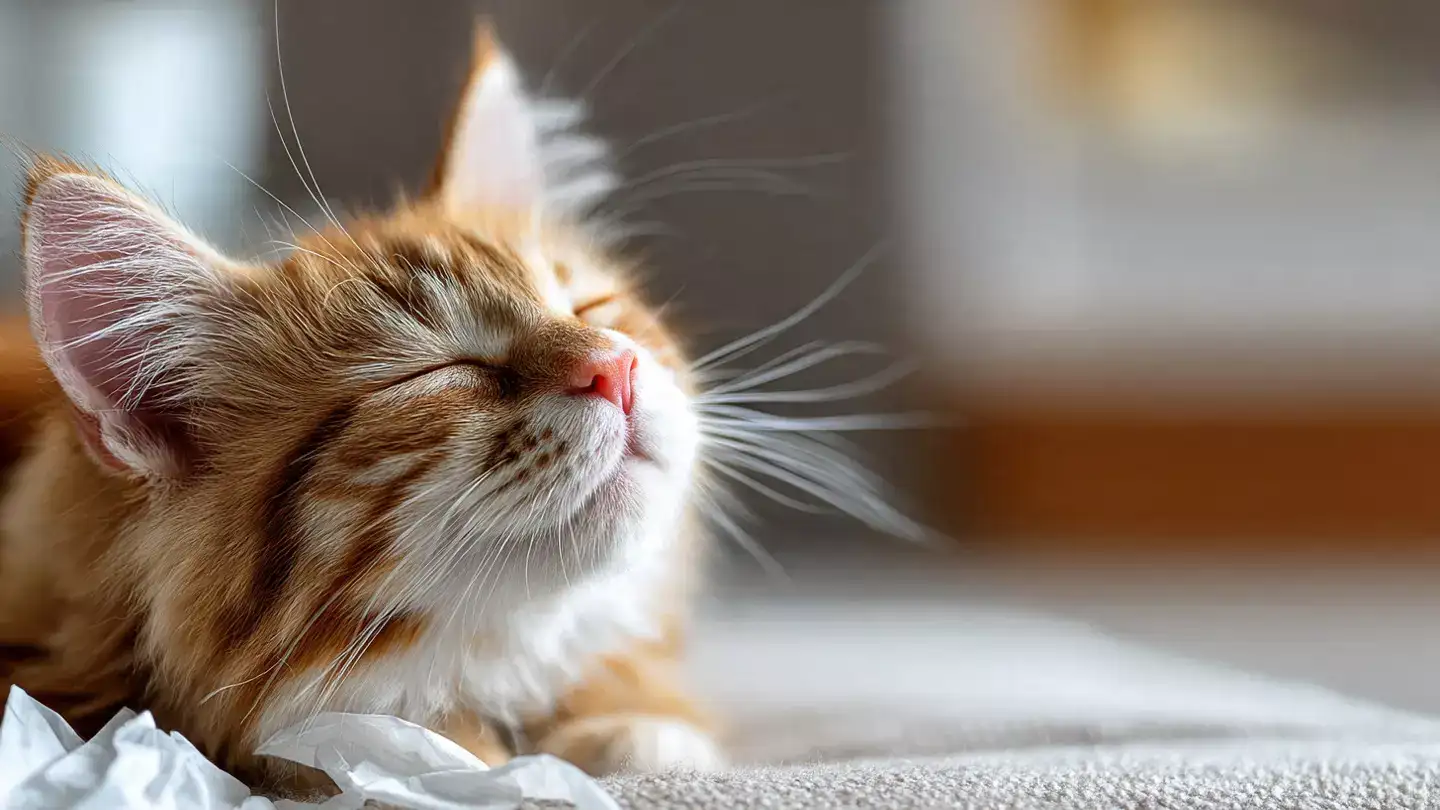
Understanding the cause is crucial, as early intervention can prevent minor problems from becoming serious health conditions. Monitoring your cat’s behaviour alongside sneezing is the first step towards identifying the problem.
Another major cause is a feline upper respiratory infection . These infections, often viral in nature, spread easily between cats and can lead to symptoms like sneezing, nasal discharge and watery eyes. In some cases, bacterial infections may follow, worsening the condition.
Allergies can also play a role, although they are less common in cats compared to humans. Additionally, foreign objects like tiny grass particles or debris lodged in the nose may trigger repeated sneezing.
Breathing difficulties, coughing or wheezing are also warning signs that require prompt attention. Blood in the nasal discharge or persistent sneezing lasting more than a week should not be ignored.
These symptoms could point to more serious conditions such as chronic infections, dental issues or, in rare cases, nasal growths. Early diagnosis can make a significant difference in treatment outcomes.
Ensuring proper ventilation and using a humidifier may help soothe nasal passages, especially in dry environments. Gently wiping your cat’s nose with a soft, damp cloth can also keep it comfortable.
Make sure your cat stays well-hydrated and continues to eat regularly. Warm food can sometimes encourage appetite in cats experiencing mild respiratory discomfort.
A veterinarian may perform tests to determine whether the cause is viral, bacterial or related to another condition. Treatment could include medications, supportive care or further diagnostic procedures depending on the severity.
Delaying medical attention can lead to complications, especially in kittens, older cats or those with weakened immune systems.
Regular vaccinations are also important in protecting your cat from common infectious diseases. Maintaining good hygiene, including clean bedding and litter boxes, further reduces the risk of infections.
Limiting contact with infected animals and ensuring a balanced diet can strengthen your cat’s immune system, helping it fight off potential illnesses more effectively.
By recognising patterns, noting accompanying symptoms and acting promptly, you can ensure your cat remains comfortable and healthy. With the right care and timely intervention, most causes of sneezing can be managed effectively, allowing your pet to return to its normal, playful self.
Image Courtesy: Meta AI
Understanding the cause is crucial, as early intervention can prevent minor problems from becoming serious health conditions. Monitoring your cat’s behaviour alongside sneezing is the first step towards identifying the problem.
Common Causes Of Frequent Sneezing In Cats
Several factors can lead to frequent sneezing in cats, ranging from environmental triggers to infections. One of the most common reasons is exposure to irritants such as dust, smoke, strong perfumes or cleaning chemicals. These can easily irritate a cat’s sensitive nasal passages.Another major cause is a feline upper respiratory infection . These infections, often viral in nature, spread easily between cats and can lead to symptoms like sneezing, nasal discharge and watery eyes. In some cases, bacterial infections may follow, worsening the condition.
Allergies can also play a role, although they are less common in cats compared to humans. Additionally, foreign objects like tiny grass particles or debris lodged in the nose may trigger repeated sneezing.
Signs That Indicate A More Serious Problem
While sneezing alone may not always be alarming, certain accompanying symptoms should raise concern. If your cat shows a runny or thick nasal discharge, loss of appetite, lethargy or fever, it may be dealing with an infection.Breathing difficulties, coughing or wheezing are also warning signs that require prompt attention. Blood in the nasal discharge or persistent sneezing lasting more than a week should not be ignored.
These symptoms could point to more serious conditions such as chronic infections, dental issues or, in rare cases, nasal growths. Early diagnosis can make a significant difference in treatment outcomes.
Simple Steps You Can Take At Home
If your cat’s sneezing is mild and not accompanied by serious symptoms, there are a few steps you can take at home to provide relief. Keeping your living space clean and free from dust and strong odours can reduce irritation.Ensuring proper ventilation and using a humidifier may help soothe nasal passages, especially in dry environments. Gently wiping your cat’s nose with a soft, damp cloth can also keep it comfortable.
Make sure your cat stays well-hydrated and continues to eat regularly. Warm food can sometimes encourage appetite in cats experiencing mild respiratory discomfort.
When To Visit A Veterinarian
If the sneezing persists for more than a few days or worsens over time, it is advisable to consult a veterinarian. Professional evaluation is essential if your cat shows additional symptoms such as fever, discharge, or reduced activity.A veterinarian may perform tests to determine whether the cause is viral, bacterial or related to another condition. Treatment could include medications, supportive care or further diagnostic procedures depending on the severity.
Delaying medical attention can lead to complications, especially in kittens, older cats or those with weakened immune systems.
You may also like
- DVLA warning as thousands of drivers could be fined
- Feeling Stuck in Life? Try This 40-Days Hanuman Sadhana
- 'We keep coming back to Pune because of the love we get here'
- Diabetes in India: TOI Medithon to bring leading doctors together to discuss caregiver roles, myths, and practical ways to manage blood sugar
- Discover the Benefits of the Ayurvedic Herb Widara for Aging
Preventing Sneezing And Respiratory Issues
Prevention plays a key role in maintaining your cat’s respiratory health. Keeping your home environment clean and minimising exposure to irritants can make a significant difference.Regular vaccinations are also important in protecting your cat from common infectious diseases. Maintaining good hygiene, including clean bedding and litter boxes, further reduces the risk of infections.
Limiting contact with infected animals and ensuring a balanced diet can strengthen your cat’s immune system, helping it fight off potential illnesses more effectively.
Understanding Your Cat’s Health Better
Cats often hide signs of illness, making it essential for owners to stay observant. Frequent sneezing may seem minor at first, but it can be an early signal of a larger issue.By recognising patterns, noting accompanying symptoms and acting promptly, you can ensure your cat remains comfortable and healthy. With the right care and timely intervention, most causes of sneezing can be managed effectively, allowing your pet to return to its normal, playful self.
Image Courtesy: Meta AI






More from our partners


Loving Newspoint? Download the app now
