
What To Do If Your Dog Refuses To Eat And How Pet Owners Can Identify The Real Cause

When Your Dog Stops Eating Warning Signs Possible Causes And Helpful Solutions For Pet Owners: A healthy appetite is usually a good sign that a dog is active and feeling well. When a dog suddenly refuses to eat, however, it can become a worrying situation for pet owners. Dogs may skip a meal occasionally without any serious problem, but consistent loss of appetite can indicate an underlying issue. Understanding why a dog refuses to eat and knowing how to respond appropriately can help prevent small problems from becoming bigger health concerns. In many cases, appetite changes are linked to stress, routine changes or minor digestive issues. By observing behaviour carefully and taking practical steps, pet owners can often help their dogs regain normal eating habits while ensuring their overall health and comfort.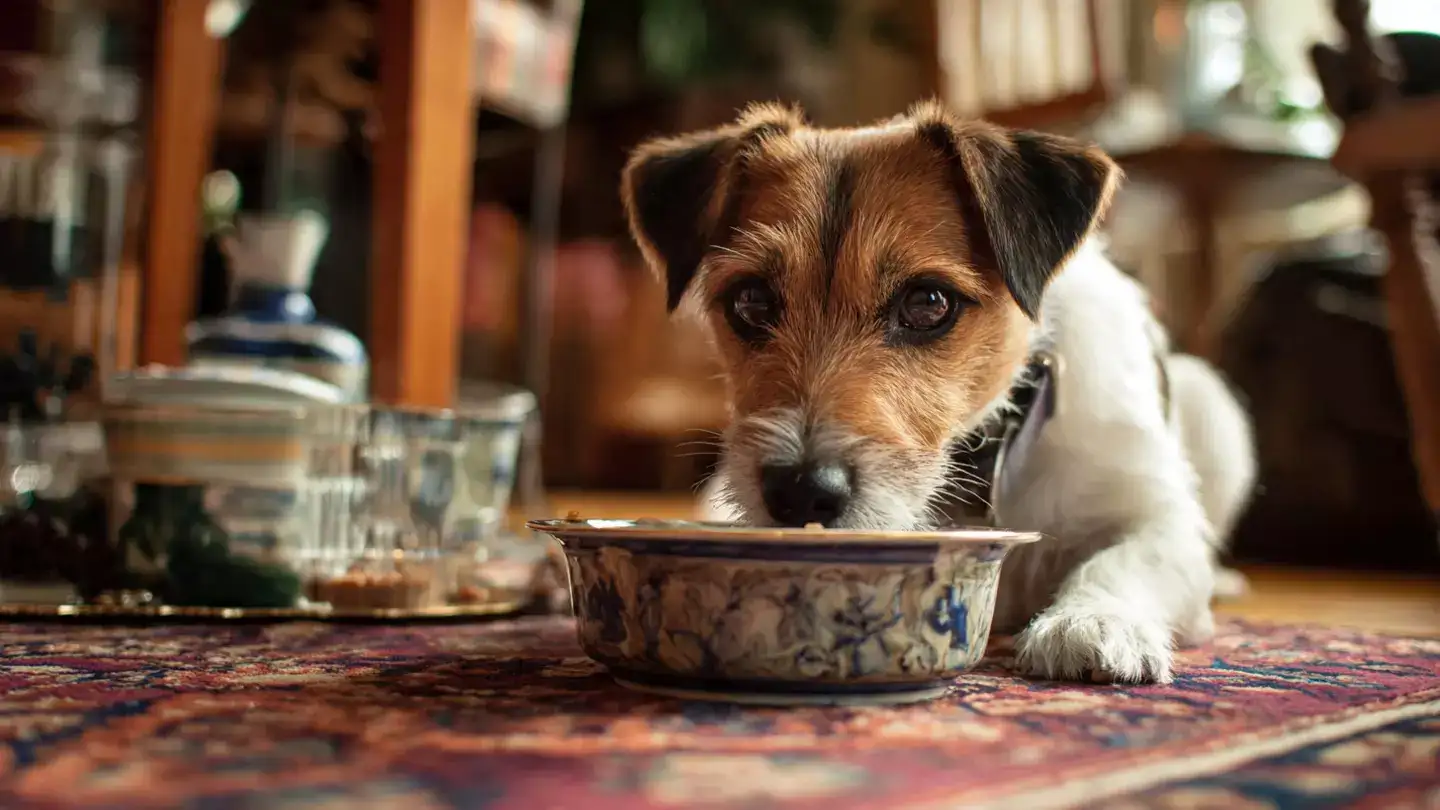
Stress and anxiety can also affect a dog’s eating behaviour. Changes such as moving to a new home, introduction of another pet or unfamiliar surroundings may lead to reduced appetite. Even alterations in daily routine, such as different feeding times or reduced physical activity, can influence feeding habits.
Health issues may also be responsible for dog appetite loss . Dental problems, stomach discomfort, infections or digestive disorders can make eating unpleasant. In such situations, the dog may associate food with pain and avoid it altogether.
Environmental factors may play a role as well. Hot weather, lack of exercise or excessive treats during the day may reduce interest in regular meals.
If the dog remains playful, active and otherwise normal, skipping one meal may not be a serious concern. Dogs sometimes eat less when they are not very active or when they have consumed too many treats earlier in the day.
However, if appetite loss is accompanied by symptoms such as vomiting, diarrhoea, lethargy or unusual behaviour, it may indicate a medical issue. Monitoring the dog’s drinking habits is also important. A dog that refuses food but continues drinking water normally may simply be experiencing temporary appetite fluctuations.
Keeping track of how long the dog has refused food is essential. Persistent refusal to eat for more than a day or two should be taken seriously and evaluated carefully.
One effective approach is maintaining a consistent feeding routine. Offering meals at the same time every day helps dogs develop predictable eating patterns. Leaving food out for a limited period and removing it if the dog does not eat can also reinforce regular meal times.
Another helpful method is increasing physical activity. Exercise stimulates appetite in many dogs and helps them feel hungry before meals.
Pet owners may also try making food more appealing. Slightly warming the food can enhance its aroma and encourage the dog to eat. Mixing a small portion of plain boiled chicken or vegetables with regular food may also increase interest.
Reducing unnecessary treats is equally important. When dogs receive too many snacks during the day, they may not feel hungry at meal times.
Older dogs may also experience appetite changes due to age-related health conditions. Puppies, on the other hand, require regular nutrition for proper growth, so refusal to eat should be addressed quickly.
If a dog refuses food for more than 24 to 48 hours or shows additional symptoms such as weakness, weight loss or vomiting, veterinary attention may be necessary. Early diagnosis can help prevent complications and ensure the dog receives appropriate treatment.
Choosing high-quality food that meets a dog’s nutritional needs is equally important. Fresh water should always be available, and treats should be given in moderation.
Regular exercise also plays a role in maintaining appetite and overall wellbeing. Dogs that remain physically active are more likely to maintain a healthy interest in food.
Pet owners should also schedule routine veterinary check-ups to monitor their dog’s health and identify potential issues early.
Understanding the possible causes behind dog appetite loss helps pet owners respond calmly and effectively. In many cases, small adjustments in routine or diet can restore a dog’s interest in food. By observing behaviour closely and ensuring proper care, owners can support healthy feeding habits and help their dogs remain energetic and content.
Image Courtesy: Meta AI
Common Reasons Why Dogs Refuse To Eat
Loss of appetite in dogs can occur for several reasons, and identifying the cause is the first step towards resolving the issue. One common reason is a sudden change in diet. Dogs often become accustomed to a particular food, and switching to a new brand or flavour may cause them to reject their meals temporarily.Stress and anxiety can also affect a dog’s eating behaviour. Changes such as moving to a new home, introduction of another pet or unfamiliar surroundings may lead to reduced appetite. Even alterations in daily routine, such as different feeding times or reduced physical activity, can influence feeding habits.
Health issues may also be responsible for dog appetite loss . Dental problems, stomach discomfort, infections or digestive disorders can make eating unpleasant. In such situations, the dog may associate food with pain and avoid it altogether.
Environmental factors may play a role as well. Hot weather, lack of exercise or excessive treats during the day may reduce interest in regular meals.
Observe Your Dog’s Behaviour Carefully
When a dog refuses to eat, careful observation can provide valuable clues about the cause. Pet owners should pay attention to changes in behaviour, energy levels and physical condition.If the dog remains playful, active and otherwise normal, skipping one meal may not be a serious concern. Dogs sometimes eat less when they are not very active or when they have consumed too many treats earlier in the day.
However, if appetite loss is accompanied by symptoms such as vomiting, diarrhoea, lethargy or unusual behaviour, it may indicate a medical issue. Monitoring the dog’s drinking habits is also important. A dog that refuses food but continues drinking water normally may simply be experiencing temporary appetite fluctuations.
Keeping track of how long the dog has refused food is essential. Persistent refusal to eat for more than a day or two should be taken seriously and evaluated carefully.
Simple Ways To Encourage Your Dog To Eat
If your dog is otherwise healthy but reluctant to eat, there are several simple strategies that may help restore normal feeding habits.One effective approach is maintaining a consistent feeding routine. Offering meals at the same time every day helps dogs develop predictable eating patterns. Leaving food out for a limited period and removing it if the dog does not eat can also reinforce regular meal times.
Another helpful method is increasing physical activity. Exercise stimulates appetite in many dogs and helps them feel hungry before meals.
Pet owners may also try making food more appealing. Slightly warming the food can enhance its aroma and encourage the dog to eat. Mixing a small portion of plain boiled chicken or vegetables with regular food may also increase interest.
Reducing unnecessary treats is equally important. When dogs receive too many snacks during the day, they may not feel hungry at meal times.
When Appetite Loss Could Signal A Health Problem
While temporary loss of appetite is often harmless, prolonged dog feeding problems may indicate underlying health concerns. Medical conditions such as digestive issues, infections, kidney problems or dental pain can lead to reduced interest in food.Older dogs may also experience appetite changes due to age-related health conditions. Puppies, on the other hand, require regular nutrition for proper growth, so refusal to eat should be addressed quickly.
If a dog refuses food for more than 24 to 48 hours or shows additional symptoms such as weakness, weight loss or vomiting, veterinary attention may be necessary. Early diagnosis can help prevent complications and ensure the dog receives appropriate treatment.
Maintaining Healthy Feeding Habits For Dogs
Preventing appetite problems often begins with establishing consistent feeding habits and providing balanced nutrition. Dogs generally respond well to routine, so feeding them at fixed times each day can promote a stable appetite.Choosing high-quality food that meets a dog’s nutritional needs is equally important. Fresh water should always be available, and treats should be given in moderation.
Regular exercise also plays a role in maintaining appetite and overall wellbeing. Dogs that remain physically active are more likely to maintain a healthy interest in food.
Pet owners should also schedule routine veterinary check-ups to monitor their dog’s health and identify potential issues early.
Understanding the possible causes behind dog appetite loss helps pet owners respond calmly and effectively. In many cases, small adjustments in routine or diet can restore a dog’s interest in food. By observing behaviour closely and ensuring proper care, owners can support healthy feeding habits and help their dogs remain energetic and content.
Image Courtesy: Meta AI
Next Story