What’s Really Inside Your Favourite Snacks? Hidden Ingredients You Need To Know

Every time you grab a quick snack—whether a biscuit, a fizzy drink or a bag of crisps—you may be consuming far more than what’s listed in bold print on the front of the packet. These everyday nibbles often contain numerous hidden additives designed to boost flavour, extend shelf life, or create a more appealing colour or texture. But beneath that convenience lies a complex cocktail of chemicals that many of us unknowingly consume. Here's a deeper look into what may be hiding inside your favourite bites.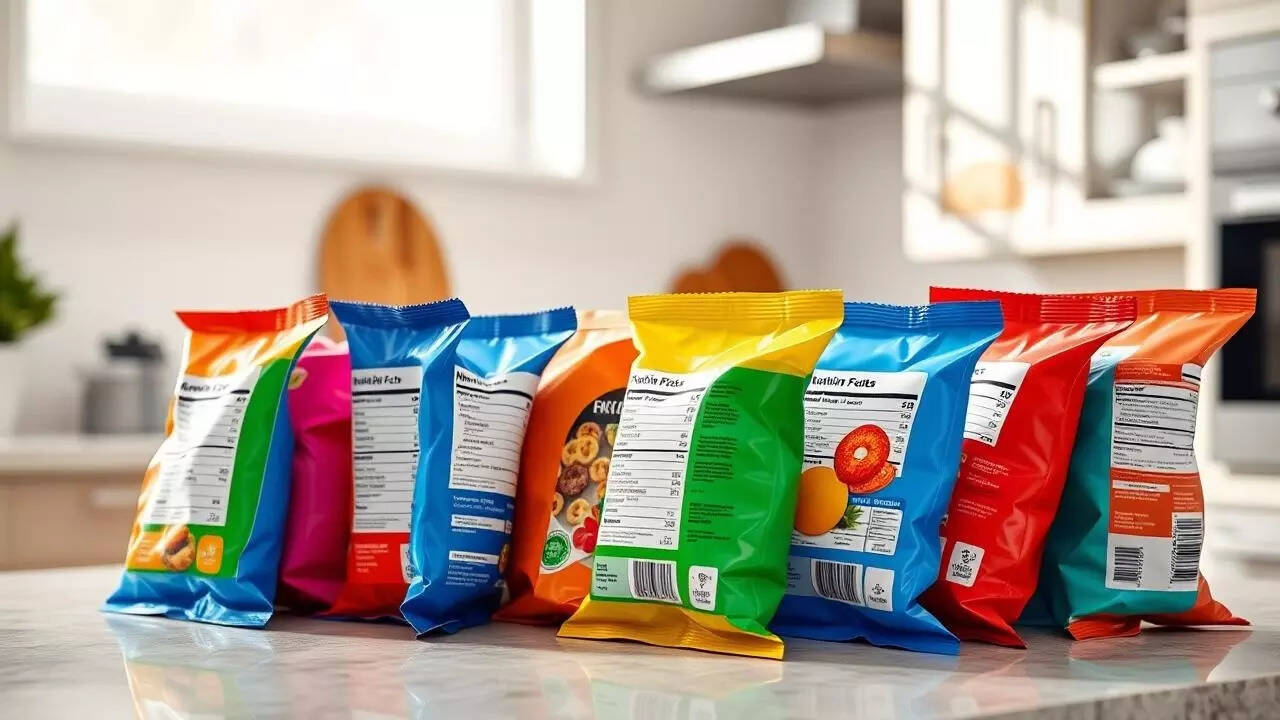
What 'Natural Flavours' and 'Spices' Can Actually Contain
When labels list 'natural flavourings' or 'spices,' it can sound comforting—but these umbrella terms can include dozens of lab-derived compounds. They may contain flavour enhancers, solvents, or artificial additives that manufacturers aren’t required to individually disclose. This lack of transparency means consumers often have no idea what they’re actually eating.Sugar’s Many Disguises on Ingredient Labels
Sugar can be listed under over 50 different names, making it tricky to identify. Glucose, dextrose, maltose, cane syrup, rice syrup and fructose are just a few of the alternatives. Many snacks marketed as 'healthy' or 'natural'—like cereal bars or flavoured yoghurts—often contain two or more types of added sugar, significantly boosting calorie content.The Truth About Artificial Colours in Snacks
Brightly coloured treats appeal to our senses, but many of those colours come from synthetic dyes made from petroleum derivatives. Ingredients like Red 40, Yellow 5 and Blue 1 are common in sweets, fruit-flavoured drinks, and even some salad dressings. These additives have raised health concerns over the years, especially in children, with links to hyperactivity and allergic responses.Preservatives That Do More Than Preserve
To keep snacks from spoiling quickly, many contain chemical preservatives such as BHA, BHT, sodium benzoate and TBHQ. These compounds help extend shelf life but have been studied for potential effects on health, including concerns about inflammation, oxidative stress, and hormonal disruption. They’re especially prevalent in processed meats, chips and packaged bakery items.Unhealthy Fats Disguised as 'Shortenings' and Oils
Some snacks still contain trans fats, which are usually labelled as 'partially hydrogenated oils.' These fats are known to increase bad cholesterol levels and reduce good cholesterol, contributing to cardiovascular disease. While some regulations have restricted their use, they may still appear in pre-packaged popcorn, biscuits and certain ready-to-eat foods.The Role of Emulsifiers and Thickeners in Packaged Treats
To maintain a smooth or creamy texture, manufacturers often add emulsifiers like carrageenan, polysorbate 80, and mono- and diglycerides. These ingredients can be found in non-dairy creams, plant-based milks, ice creams and processed snacks. Some of these thickeners have been linked to digestive issues or potential effects on the gut lining, particularly with prolonged consumption.Ingredients Derived From Unexpected Animal Sources
Some snack ingredients may not align with vegetarian or vegan diets, even if not clearly labelled. Gelatine (from animal bones), cochineal (a red dye from crushed insects), and L-cysteine (sometimes sourced from feathers or hair) are often used in jellies, soft sweets, pastries and baked goods. These inclusions can be surprising to those trying to avoid animal products.How to Outsmart Hidden Additives
To reduce your intake of unwanted ingredients:- Carefully read ingredient lists, not just the nutrition label.
- Familiarise yourself with alternative names for common additives.
- Opt for snacks with short, simple ingredient lists.
- Choose fresh, minimally processed options like fruits, nuts or home-cooked treats.
- Be cautious of foods branded as 'low-fat' or 'sugar-free' as they may contain extra flavour enhancers to compensate.
Why Awareness Matters
Unknowingly consuming synthetic additives on a daily basis can affect your overall health. From allergic reactions and digestive discomfort to potential long-term risks, hidden ingredients should not be overlooked. Taking time to examine what goes into your favourite snacks not only helps reduce unnecessary exposure to chemical compounds but also empowers healthier food choices for the future.Next Story