
When Shrey Panchal Wore a Nauvari Sari, He Didn't Break Tradition — He Rewrote It


The stage lights come on slowly. Somewhere backstage, a young dancer bends down to tie his ghungroos, making sure every knot sits right. The bells make that familiar soft sound - the one dancers know means it’s almost time. Draped in a nauvari sari, eyes darkened with kohl, 19-year-old Shrey Panchal walks forward. No hesitation. Just focus.
And then the music starts.
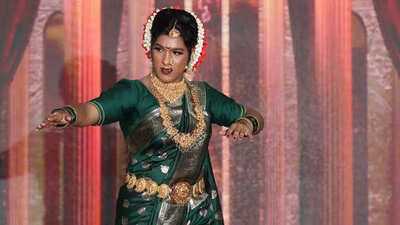
His movements are sharp yet fluid, confident but deeply emotional. Lavni flows through him - not performed, but lived. For a moment, the audience forgets labels, expectations, even surprise. They simply watch.
But Shrey wasn’t always this sure of himself. There was a time he stayed close to the wings of the stage, unsure if people would understand what he was trying to express. Dance felt natural to him, yet acceptance didn’t come as easily. Slowly, performance after performance, he stopped shrinking and started owning the space he stood in.
His story with dance began early. He was barely three when his mother dressed him in a sari for a performance. No training, no rehearsed confidence. Just instinct. He remembers moving without overthinking it, as if rhythm had already found a home inside him. He still says dance chose him before he could choose it back, as reported by Better India.
Lavni became his life
Growing up, he learned mostly by watching others. Mirrors became his teachers. So did late-night practice sessions and endless repetition. Lavni entered his life years later, almost unexpectedly. At seventeen, he tried performing it in a kurta. The applause surprised him. Something shifted that day. He realised the dance felt personal, almost intimate.
But it didn’t feel complete.
So he did something that required real courage. He wore the nauvari sari.
And that’s when the noise began. People questioned him. Some laughed. Others said Lavni wasn’t meant for men. Comments turned personal, sometimes cruel. It would have been easier to step back, suggests a report by Better India.
But he didn’t.
Because once he steps onto the stage, the outside world fades. The music takes over. The expressions come naturally. And for those few minutes, it’s only art speaking.
No gender-bias here
Lavni has long been seen as a space reserved for women - known for its strong storytelling, expressive gestures, and striking costumes. Over time, unspoken rules formed around who could perform it. Shrey isn’t trying to break tradition; he’s simply standing inside it, honestly, as himself.
For him, the sari isn’t a statement meant to shock anyone. It’s respect. It’s authenticity. One moment stays close to his heart - when an elderly audience member told him they saw Goddess Saraswati in his performance. He doesn’t talk about that lightly. To him, it felt like quiet validation after years of doubt.
Recently, he returned to his college in Mumbai, V G Vaze Kelkar College, but this time things were different. He wasn’t the nervous student waiting for approval. He was invited back as a judge at the college fest, Dimensions. Standing on that same stage again, he realised how much had changed. The fear was gone. The dreams had grown bigger.
These days, he balances studies with rehearsals, choreography, and directing his own shows. It’s tiring sometimes. But he keeps going. Because dance isn’t just something he does - it’s how he speaks when words fall short.
And maybe that’s why his journey resonates. It reminds people that art expands when someone dares to show up as they truly are. No permission needed. No category required. Just rhythm, honesty, and the courage to be seen.
Image: Shrey Panchal/Instagram
Explore the latest trends and tips in Health & Fitness, Spiritual, Travel, Life Hacks, Trending, Fashion & Beauty, and Relationships at Times Life!
And then the music starts.
His movements are sharp yet fluid, confident but deeply emotional. Lavni flows through him - not performed, but lived. For a moment, the audience forgets labels, expectations, even surprise. They simply watch.
But Shrey wasn’t always this sure of himself. There was a time he stayed close to the wings of the stage, unsure if people would understand what he was trying to express. Dance felt natural to him, yet acceptance didn’t come as easily. Slowly, performance after performance, he stopped shrinking and started owning the space he stood in.
His story with dance began early. He was barely three when his mother dressed him in a sari for a performance. No training, no rehearsed confidence. Just instinct. He remembers moving without overthinking it, as if rhythm had already found a home inside him. He still says dance chose him before he could choose it back, as reported by Better India.
Lavni became his life
But it didn’t feel complete.
So he did something that required real courage. He wore the nauvari sari.
And that’s when the noise began. People questioned him. Some laughed. Others said Lavni wasn’t meant for men. Comments turned personal, sometimes cruel. It would have been easier to step back, suggests a report by Better India.
But he didn’t.
Because once he steps onto the stage, the outside world fades. The music takes over. The expressions come naturally. And for those few minutes, it’s only art speaking.
No gender-bias here
Lavni has long been seen as a space reserved for women - known for its strong storytelling, expressive gestures, and striking costumes. Over time, unspoken rules formed around who could perform it. Shrey isn’t trying to break tradition; he’s simply standing inside it, honestly, as himself.
For him, the sari isn’t a statement meant to shock anyone. It’s respect. It’s authenticity. One moment stays close to his heart - when an elderly audience member told him they saw Goddess Saraswati in his performance. He doesn’t talk about that lightly. To him, it felt like quiet validation after years of doubt.
Recently, he returned to his college in Mumbai, V G Vaze Kelkar College, but this time things were different. He wasn’t the nervous student waiting for approval. He was invited back as a judge at the college fest, Dimensions. Standing on that same stage again, he realised how much had changed. The fear was gone. The dreams had grown bigger.
These days, he balances studies with rehearsals, choreography, and directing his own shows. It’s tiring sometimes. But he keeps going. Because dance isn’t just something he does - it’s how he speaks when words fall short.
And maybe that’s why his journey resonates. It reminds people that art expands when someone dares to show up as they truly are. No permission needed. No category required. Just rhythm, honesty, and the courage to be seen.
Image: Shrey Panchal/Instagram
Explore the latest trends and tips in Health & Fitness, Spiritual, Travel, Life Hacks, Trending, Fashion & Beauty, and Relationships at Times Life!
Next Story