
Which Rice Is Better For You? Basmati Or Sona Masoori A Clear And Practical Comparison

Rice is one of the most widely consumed staple foods across India and many parts of the world. It forms the foundation of countless dishes, from simple home-cooked meals to festive delicacies. Among the many varieties available, Basmati rice and Sona Masoori are two of the most popular choices. While both are loved for their unique qualities, they differ significantly in taste, texture, nutritional value, and cooking applications. Understanding these differences can help you make better dietary choices and enhance your everyday meals.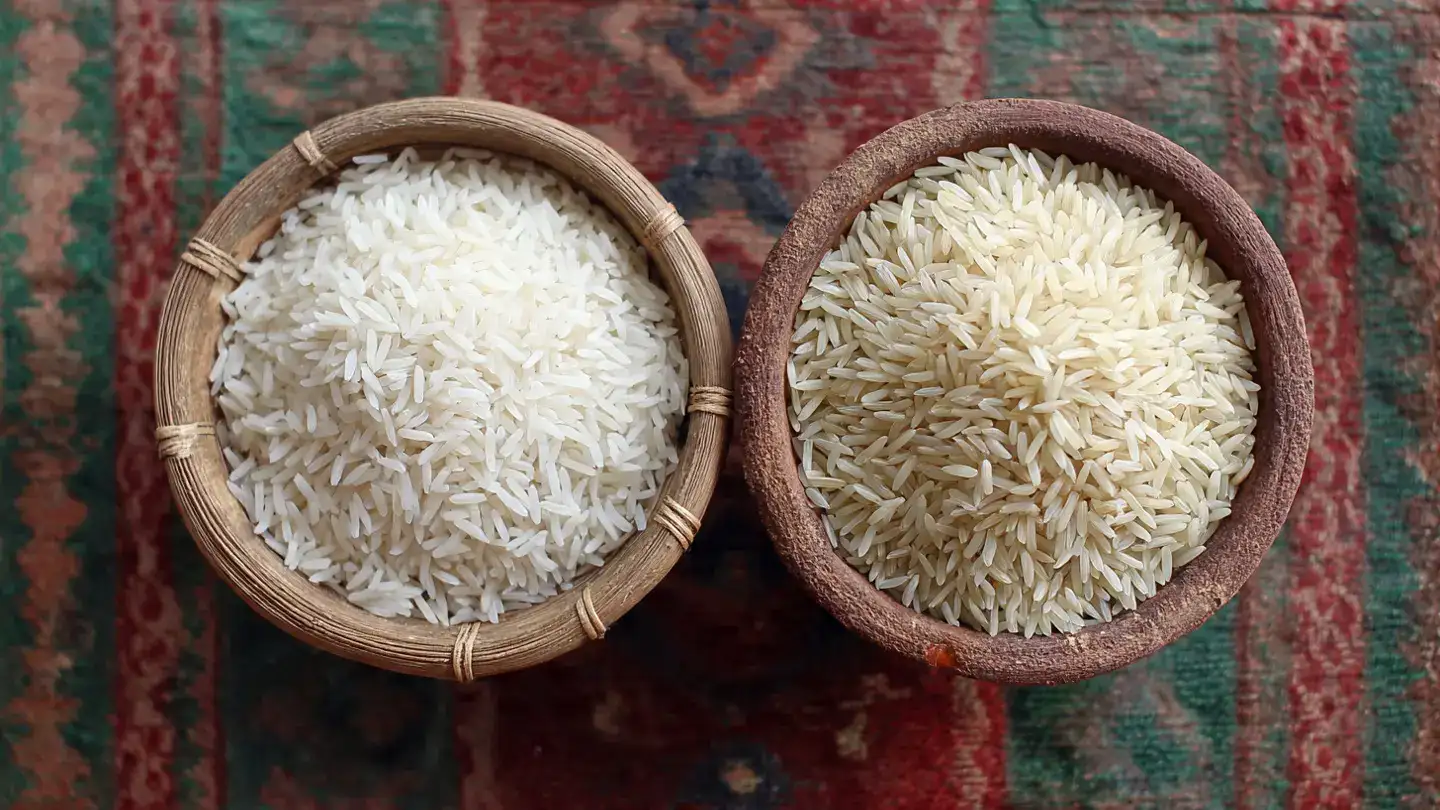
On the other hand, Sona Masoori rice is a medium-grain variety widely grown in southern India. It is lighter in weight, less starchy, and commonly used in daily meals. It is often chosen for its easy digestibility and mild flavour, making it suitable for regular consumption.
Both types of rice hold a strong place in Indian kitchens, but they serve different culinary purposes.
Sona Masoori, however, has a very mild aroma. It is not fragrant like Basmati, but its subtle taste allows it to blend well with a variety of curries and side dishes without overpowering flavours.
In terms of texture, Basmati rice is long and slender, becoming fluffy and non-sticky when cooked properly. Sona Masoori grains are shorter and slightly plump, resulting in a softer and lighter texture after cooking.
Sona Masoori rice is also considered light and easy to digest. It contains fewer calories compared to some other rice varieties, making it suitable for those who prefer lighter meals. Its lower starch content makes it a popular choice for people who want simple, everyday food without heaviness.
Both types can be part of a balanced diet when consumed appropriately and in controlled portions.
Sona Masoori rice, on the other hand, is widely used in daily home cooking. It pairs well with sambar, dal, curries, and simple vegetable dishes. Its soft texture makes it perfect for comfort food and everyday meals across Indian households.
Choosing between the two often depends on the type of dish being prepared and personal taste preferences.
For individuals focused on weight management or lighter digestion, Sona Masoori may be a practical choice. For those who prioritise flavour, aroma, and special dishes, Basmati rice stands out.
In many households, both varieties are used interchangeably depending on the occasion and recipe.
When cooking Basmati rice, soaking it for about 20 to 30 minutes before cooking helps achieve long, separate grains. Sona Masoori, however, requires less soaking time and cooks faster due to its lighter structure.
Using the right water ratio and cooking method ensures the best texture and taste for both varieties.
The choice between Basmati rice vs Sona Masoori ultimately depends on individual needs, taste preferences, and dietary goals. Both varieties are valuable staples in Indian cuisine and offer unique benefits.
While Basmati adds richness and aroma to special dishes, Sona Masoori provides simplicity and ease for daily meals. Understanding their differences helps in making informed kitchen decisions and creating a balanced diet that suits both health and lifestyle.
Image Courtesy: Meta AI
Understanding Basmati Rice And Sona Masoori
Basmati rice is known for its long grains and distinctive aroma. It is traditionally grown in the Himalayan region and is often associated with rich and aromatic dishes such as biryani and pulao. Its grains remain separate and fluffy after cooking, making it a preferred choice for festive and special meals.On the other hand, Sona Masoori rice is a medium-grain variety widely grown in southern India. It is lighter in weight, less starchy, and commonly used in daily meals. It is often chosen for its easy digestibility and mild flavour, making it suitable for regular consumption.
Both types of rice hold a strong place in Indian kitchens, but they serve different culinary purposes.
Taste, Aroma And Texture Differences
One of the most noticeable differences in the basmati rice vs sona masoori comparison is aroma. Basmati rice has a natural fragrance that becomes more pronounced during cooking. This aroma adds depth to dishes and enhances the overall dining experience.Sona Masoori, however, has a very mild aroma. It is not fragrant like Basmati, but its subtle taste allows it to blend well with a variety of curries and side dishes without overpowering flavours.
In terms of texture, Basmati rice is long and slender, becoming fluffy and non-sticky when cooked properly. Sona Masoori grains are shorter and slightly plump, resulting in a softer and lighter texture after cooking.
Nutritional Value And Health Considerations
When comparing healthy rice options , both varieties have their own benefits. Basmati rice, especially the brown variety, contains fibre and essential nutrients, making it a healthier alternative to refined white rice. It has a lower glycaemic index compared to many other rice types, which may help in better blood sugar management when consumed in moderation.Sona Masoori rice is also considered light and easy to digest. It contains fewer calories compared to some other rice varieties, making it suitable for those who prefer lighter meals. Its lower starch content makes it a popular choice for people who want simple, everyday food without heaviness.
Both types can be part of a balanced diet when consumed appropriately and in controlled portions.
Cooking Style And Usage In Indian Cuisine
Basmati rice is often used in rich and flavourful dishes. It is ideal for biryanis, fried rice, and festive meals where aroma and presentation play an important role. Its long grains and fluffy texture make it visually appealing and suitable for special occasions.Sona Masoori rice, on the other hand, is widely used in daily home cooking. It pairs well with sambar, dal, curries, and simple vegetable dishes. Its soft texture makes it perfect for comfort food and everyday meals across Indian households.
Choosing between the two often depends on the type of dish being prepared and personal taste preferences.
Which Rice Is Better For Daily Consumption
There is no single answer to which rice is better, as both have their advantages. Basmati rice is ideal for those who enjoy aromatic and festive meals, while Sona Masoori is preferred for light, everyday eating.You may also like
- Surprising Benefits of Keeping an Onion by Your Bedside
- From tiffin to tantrums: What teachers notice that parents often miss
- Rewarding kids with food—are parents getting it wrong?
- Dengue Vaccine India: The first dengue vaccine in India gets the green signal, know who will get this dose and how?
- Blood Test For Cancer Detection: This simple blood test can detect many cancers and allow for treatment before you become ill.
For individuals focused on weight management or lighter digestion, Sona Masoori may be a practical choice. For those who prioritise flavour, aroma, and special dishes, Basmati rice stands out.
In many households, both varieties are used interchangeably depending on the occasion and recipe.
Storage And Cooking Tips For Best Results
Proper storage is important for maintaining the quality of both rice types. Keeping rice in airtight containers in a cool, dry place helps preserve freshness and prevents moisture damage.When cooking Basmati rice, soaking it for about 20 to 30 minutes before cooking helps achieve long, separate grains. Sona Masoori, however, requires less soaking time and cooks faster due to its lighter structure.
Using the right water ratio and cooking method ensures the best texture and taste for both varieties.
The choice between Basmati rice vs Sona Masoori ultimately depends on individual needs, taste preferences, and dietary goals. Both varieties are valuable staples in Indian cuisine and offer unique benefits.
While Basmati adds richness and aroma to special dishes, Sona Masoori provides simplicity and ease for daily meals. Understanding their differences helps in making informed kitchen decisions and creating a balanced diet that suits both health and lifestyle.
Image Courtesy: Meta AI






More from our partners


Loving Newspoint? Download the app now
