
Who should avoid fenugreek (methi) and why: Know key health precautions


Fenugreek, also known as methi, is a common ingredient in kitchens worldwide, valued for its flavour and versatility. While most people can enjoy it safely in everyday cooking, some should be cautious or limit their intake. Certain groups, such as pregnant women, people with allergies to legumes, or those taking specific medications, may need to avoid high amounts. Even small changes, like using it in supplements or concentrated forms, can affect the body differently. Using fenugreek in moderation as part of a balanced diet is generally safe, but awareness of personal health conditions is important.
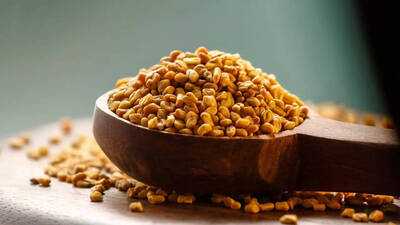
Methi side effects: Risks for pregnant women, allergies, and medications
1. Pregnant women
Fenugreek may cause uterine contractions and increase the risk of miscarriage when taken in medicinal or supplemental doses. Small amounts as a spice are usually considered safe. A study published in the Journal of Ethnopharmacology found that fenugreek extracts could adversely affect pregnancy outcomes in animal models, indicating caution during pregnancy.
Video
2. People with diabetes or on blood-sugar-lowering medication
Fenugreek can lower blood glucose, which may cause hypoglycaemia when combined with insulin or oral diabetic drugs. A study published in the PMC found that people with type 2 diabetes demonstrated that fenugreek seed extract reduced fasting and post‑prandial glucose levels, underscoring the need for caution in those taking glucose-lowering medications.
3. Individuals with bleeding disorders or on anticoagulant therapy
Fenugreek may slow blood clotting and could increase the risk of bleeding, especially for people taking anticoagulant or antiplatelet medications. Even small amounts in supplements or concentrated forms might affect how your blood clots. People with bleeding disorders or those preparing for surgery should be particularly cautious. Using fenugreek in normal cooking amounts is usually safe, but it’s best to consult a doctor before using it in higher doses or as a supplement.
4. People with legume or peanut allergies
Fenugreek belongs to the legume family, and cross‑reactivity with peanuts, chickpeas, or soybeans may trigger allergic reactions. A study published in the PubMed indicates that individuals with legume allergies may experience reactions to fenugreek.
5. Breastfeeding mothers using high‑dose fenugreek
Fenugreek is sometimes used to boost milk supply, but high doses may cause side effects in mothers and infants. A Delphi study among lactation experts cautions that the safety of fenugreek supplements for breastfeeding mothers is not fully established.
6. People with thyroid or hormone-sensitive conditions
Fenugreek may have mild hormone-modulating effects, which could interfere with thyroid function or hormone-sensitive conditions, potentially worsening symptoms or affecting medication effectiveness in some individuals.
7. Children using supplemental doses
Safety data for children consuming fenugreek supplements is limited, though culinary use is generally safe. The NCCIH notes insufficient information on the safety of high-dose fenugreek in children.
Disclaimer: This article is for informational purposes only and should not be considered medical advice. Please consult a healthcare professional before making any changes to your diet, medication, or lifestyle.
Also read | 6 health benefits of strawberries: Discover how this superfruit boosts heart, skin and immunity
Methi side effects: Risks for pregnant women, allergies, and medications
1. Pregnant women
Fenugreek may cause uterine contractions and increase the risk of miscarriage when taken in medicinal or supplemental doses. Small amounts as a spice are usually considered safe. A study published in the Journal of Ethnopharmacology found that fenugreek extracts could adversely affect pregnancy outcomes in animal models, indicating caution during pregnancy.
Video
2. People with diabetes or on blood-sugar-lowering medication
Fenugreek can lower blood glucose, which may cause hypoglycaemia when combined with insulin or oral diabetic drugs. A study published in the PMC found that people with type 2 diabetes demonstrated that fenugreek seed extract reduced fasting and post‑prandial glucose levels, underscoring the need for caution in those taking glucose-lowering medications.
3. Individuals with bleeding disorders or on anticoagulant therapy
Fenugreek may slow blood clotting and could increase the risk of bleeding, especially for people taking anticoagulant or antiplatelet medications. Even small amounts in supplements or concentrated forms might affect how your blood clots. People with bleeding disorders or those preparing for surgery should be particularly cautious. Using fenugreek in normal cooking amounts is usually safe, but it’s best to consult a doctor before using it in higher doses or as a supplement.
4. People with legume or peanut allergies
Fenugreek belongs to the legume family, and cross‑reactivity with peanuts, chickpeas, or soybeans may trigger allergic reactions. A study published in the PubMed indicates that individuals with legume allergies may experience reactions to fenugreek.
5. Breastfeeding mothers using high‑dose fenugreek
Fenugreek is sometimes used to boost milk supply, but high doses may cause side effects in mothers and infants. A Delphi study among lactation experts cautions that the safety of fenugreek supplements for breastfeeding mothers is not fully established.
6. People with thyroid or hormone-sensitive conditions
Fenugreek may have mild hormone-modulating effects, which could interfere with thyroid function or hormone-sensitive conditions, potentially worsening symptoms or affecting medication effectiveness in some individuals.
7. Children using supplemental doses
Safety data for children consuming fenugreek supplements is limited, though culinary use is generally safe. The NCCIH notes insufficient information on the safety of high-dose fenugreek in children.
Disclaimer: This article is for informational purposes only and should not be considered medical advice. Please consult a healthcare professional before making any changes to your diet, medication, or lifestyle.
Also read | 6 health benefits of strawberries: Discover how this superfruit boosts heart, skin and immunity
Next Story