
Why Adding a Pinch of Salt to Watermelon Enhances Its Taste

The Science of Sweet and Salty Balance: Watermelon is naturally high in water content and contains natural sugars that give it a mild sweetness. Adding a small amount of salt creates a contrast that enhances the fruit’s flavour. This works due to the principle of taste balance - salt reduces bitterness and amplifies sweetness, making the watermelon taste richer and more vibrant.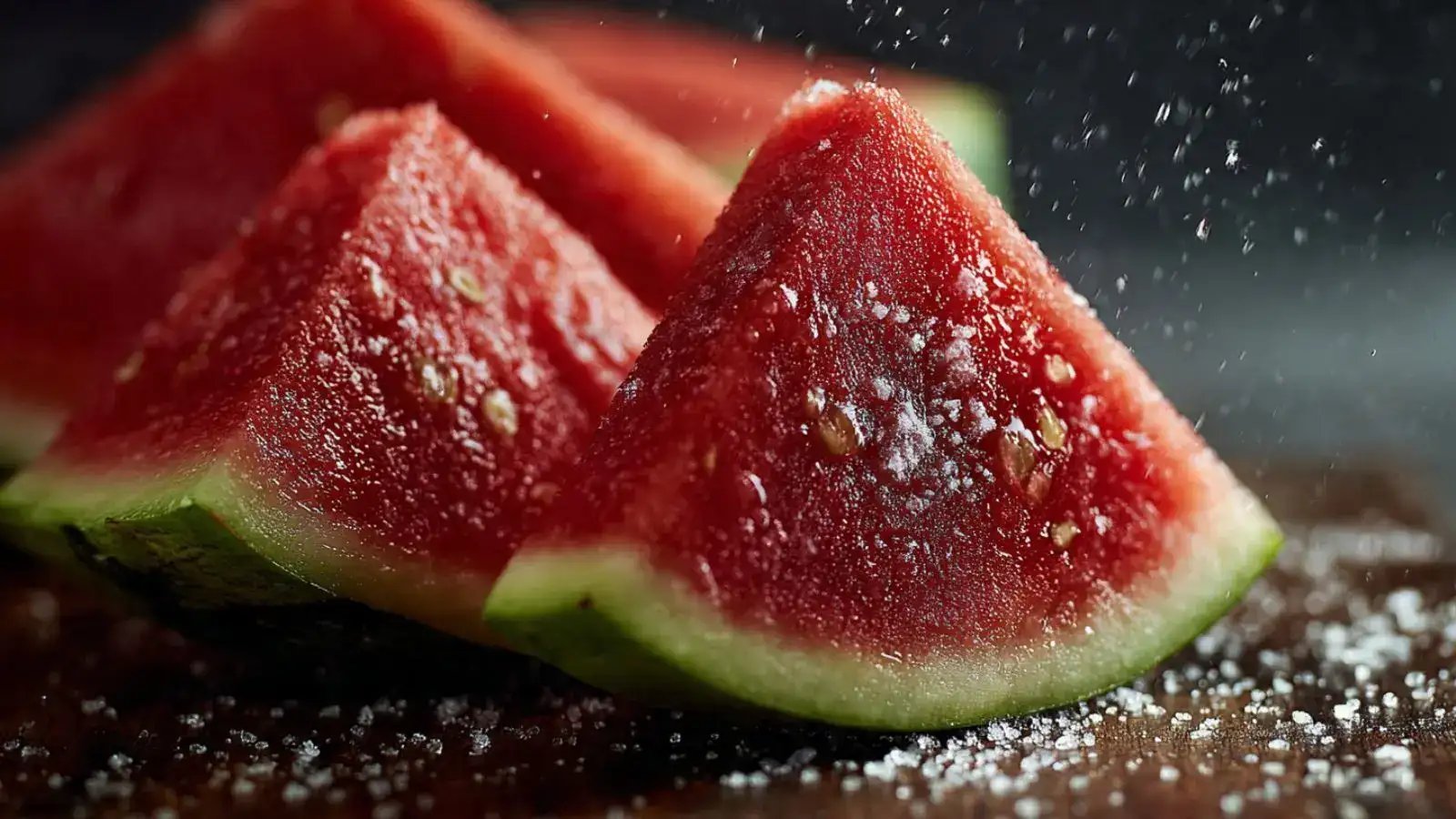
Enhancing Natural Flavours
Salt acts as a flavour enhancer by interacting with taste receptors on the tongue. When sprinkled lightly over watermelon, it sharpens the fruit’s natural notes rather than overpowering them. This is why many cuisines around the world use salt on fruits like mangoes, pineapples, and melons.
A Boost for Hydration
Watermelon is about 90% water, making it a popular summer snack for hydration. Adding a pinch of salt can help replenish electrolytes lost through sweat, particularly sodium. While it’s not a replacement for oral rehydration solutions, this combination can offer a mild hydration boost during hot weather.
Improving Taste for Less Sweet Fruits
Not all watermelons are perfectly sweet - sometimes they can taste bland or watery. A small sprinkle of salt can help by intensifying the perceived sweetness, making even an average melon more enjoyable.
Cultural and Culinary Practice
The habit of salting watermelon isn’t new. It has been practised in various cultures, especially in hot climates, where the combination of salt and water-rich fruits helps people stay refreshed. In some regions, it’s also paired with spices like chilli powder for an added kick.
How to Do It Right
The key is moderation. Use just a tiny pinch of salt—too much can overpower the fruit and make it taste unpleasant. Sprinkle lightly over slices or cubes just before eating to get the best effect.
Is It Healthy?
For most people, adding a small amount of salt is safe. However, those on low-sodium diets or with specific health conditions should be mindful of their intake. As with any dietary habit, balance is important.
A pinch of salt on watermelon is a simple yet effective way to elevate its taste and enhance your summer snacking experience. Backed by basic food science and cultural tradition, this small trick proves that sometimes, the easiest changes can make the biggest difference.
Enhancing Natural Flavours
Salt acts as a flavour enhancer by interacting with taste receptors on the tongue. When sprinkled lightly over watermelon, it sharpens the fruit’s natural notes rather than overpowering them. This is why many cuisines around the world use salt on fruits like mangoes, pineapples, and melons.
A Boost for Hydration
Watermelon is about 90% water, making it a popular summer snack for hydration. Adding a pinch of salt can help replenish electrolytes lost through sweat, particularly sodium. While it’s not a replacement for oral rehydration solutions, this combination can offer a mild hydration boost during hot weather.
Improving Taste for Less Sweet Fruits
Not all watermelons are perfectly sweet - sometimes they can taste bland or watery. A small sprinkle of salt can help by intensifying the perceived sweetness, making even an average melon more enjoyable.
Cultural and Culinary Practice
The habit of salting watermelon isn’t new. It has been practised in various cultures, especially in hot climates, where the combination of salt and water-rich fruits helps people stay refreshed. In some regions, it’s also paired with spices like chilli powder for an added kick.
How to Do It Right
The key is moderation. Use just a tiny pinch of salt—too much can overpower the fruit and make it taste unpleasant. Sprinkle lightly over slices or cubes just before eating to get the best effect.
Is It Healthy?
For most people, adding a small amount of salt is safe. However, those on low-sodium diets or with specific health conditions should be mindful of their intake. As with any dietary habit, balance is important.
A pinch of salt on watermelon is a simple yet effective way to elevate its taste and enhance your summer snacking experience. Backed by basic food science and cultural tradition, this small trick proves that sometimes, the easiest changes can make the biggest difference.
Next Story