
Ever Wondered Why Bottle Caps Have Ridges? Here’s the Reason

What Are Bottle Cap Ridges Called?
The ridges on bottle caps are technically known as “knurling.” In engineering and manufacturing, knurling refers to a pattern of raised lines or grooves added to a surface to improve grip. This design is commonly used on tools, screws, and lids where hand operation is required.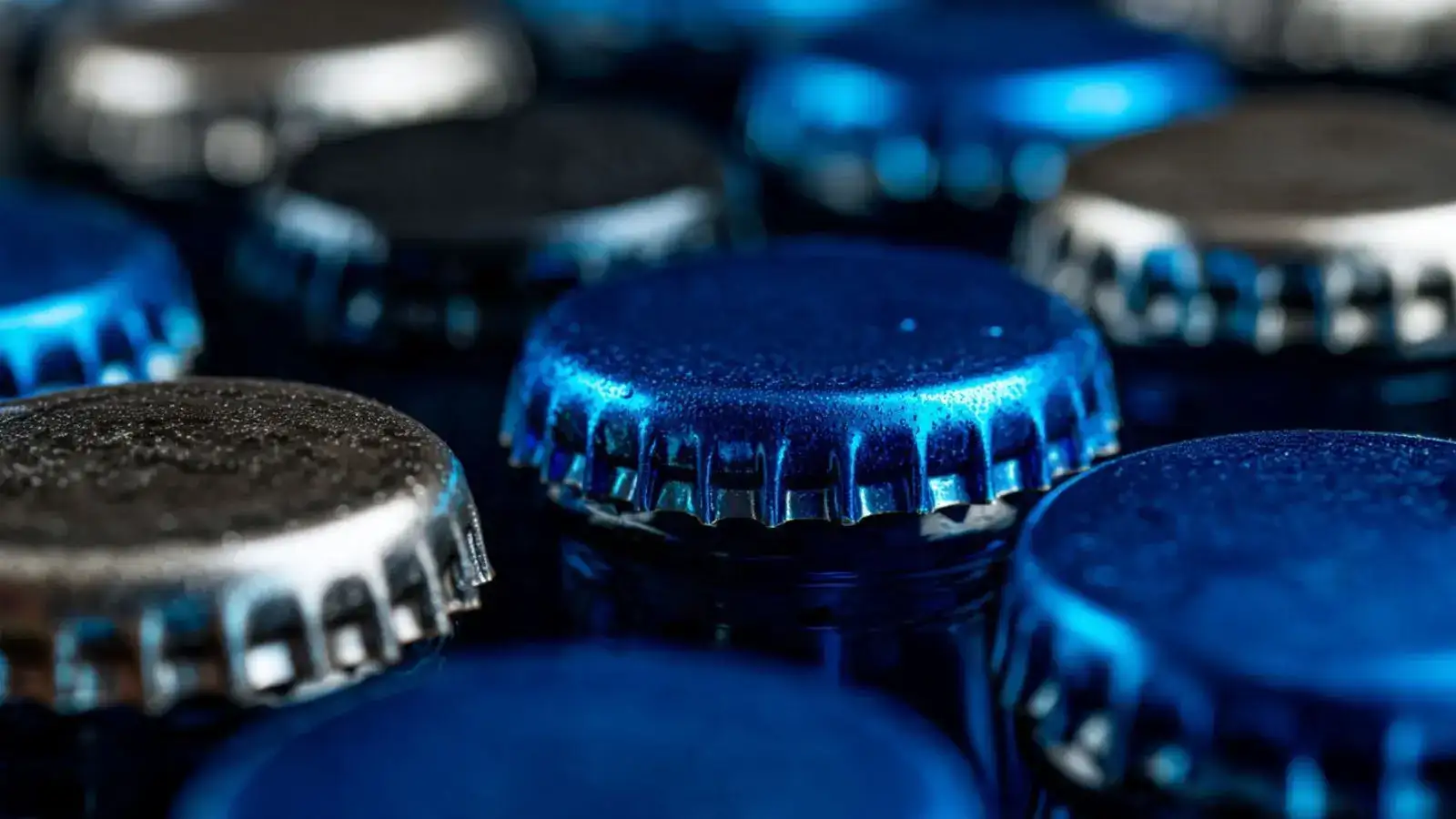
On bottle caps, knurling creates friction between your fingers and the cap, making it easier to twist open, even when your hands are wet or slippery.
Improving Grip and Ease of Use
One of the primary reasons bottle caps have ridges is to enhance grip. Smooth metal or plastic surfaces can be difficult to hold, especially when force is required to open a tightly sealed bottle.
The ridged pattern increases surface area and provides small edges for your fingers to पकड़, allowing you to apply more torque with less effort. This is particularly useful for beverages like soft drinks, water bottles, and medicine containers that need to be sealed tightly.
Without ridges, opening a bottle could become frustrating and less efficient for everyday users.
Ensuring a Tight Seal
Ridges also play an indirect but important role in sealing. Bottle caps must create an airtight or watertight seal to preserve the contents inside. Whether it’s carbonated drinks that need to retain gas or packaged water that must remain uncontaminated, a secure closure is essential.
The ridged design helps during the sealing process in factories, where machines apply and tighten caps with precision. The grooves allow machinery to grip the caps firmly without slipping, ensuring consistent sealing across thousands of bottles.
This contributes to product safety, freshness, and shelf life.
Supporting High-Speed Manufacturing
Modern bottling plants operate at extremely high speeds, sealing hundreds or even thousands of bottles per minute. In such environments, even small design features can make a big difference.
Knurled caps are easier for automated machines to handle. The ridges provide traction for mechanical grips and rollers, reducing errors during capping. This efficiency helps maintain uniform quality while keeping production costs manageable.
Safety and Tamper Evidence
In many cases, bottle caps, especially plastic ones- are designed with tamper-evident features like breakable rings. While the ridges themselves don’t provide tamper evidence, they complement the overall cap design by ensuring the cap can be tightly secured and easily opened by the user.
A good grip reduces the risk of accidental slipping, which can otherwise damage the seal or make the cap difficult to remove.
A Design That Works Across Materials
Ridges are used on both metal and plastic caps, showing their versatility. From traditional glass soda bottles with metal caps to modern PET bottles with screw caps, the ridged design remains consistent.
This universality highlights how effective and reliable knurling is as a solution for grip and handling.
Why the Design Hasn’t Changed Much
Despite advancements in packaging technology, the rigid bottle cap has remained largely unchanged. The reason is simple: it works.
The design balances usability, manufacturing efficiency, and cost-effectiveness. Altering it significantly could compromise one or more of these factors. As a result, ridges continue to be a standard feature in bottle cap design worldwide.
The ridges on bottle caps are a small but powerful example of smart design. By improving grip, supporting efficient manufacturing, and helping maintain a secure seal, they make everyday tasks easier without us even noticing. Next time you open a bottle, those tiny grooves are quietly doing a big job.
The ridges on bottle caps are technically known as “knurling.” In engineering and manufacturing, knurling refers to a pattern of raised lines or grooves added to a surface to improve grip. This design is commonly used on tools, screws, and lids where hand operation is required.
On bottle caps, knurling creates friction between your fingers and the cap, making it easier to twist open, even when your hands are wet or slippery.
Improving Grip and Ease of Use
One of the primary reasons bottle caps have ridges is to enhance grip. Smooth metal or plastic surfaces can be difficult to hold, especially when force is required to open a tightly sealed bottle.
The ridged pattern increases surface area and provides small edges for your fingers to पकड़, allowing you to apply more torque with less effort. This is particularly useful for beverages like soft drinks, water bottles, and medicine containers that need to be sealed tightly.
Without ridges, opening a bottle could become frustrating and less efficient for everyday users.
Ensuring a Tight Seal
Ridges also play an indirect but important role in sealing. Bottle caps must create an airtight or watertight seal to preserve the contents inside. Whether it’s carbonated drinks that need to retain gas or packaged water that must remain uncontaminated, a secure closure is essential.
The ridged design helps during the sealing process in factories, where machines apply and tighten caps with precision. The grooves allow machinery to grip the caps firmly without slipping, ensuring consistent sealing across thousands of bottles.
This contributes to product safety, freshness, and shelf life.
Supporting High-Speed Manufacturing
Modern bottling plants operate at extremely high speeds, sealing hundreds or even thousands of bottles per minute. In such environments, even small design features can make a big difference.
Knurled caps are easier for automated machines to handle. The ridges provide traction for mechanical grips and rollers, reducing errors during capping. This efficiency helps maintain uniform quality while keeping production costs manageable.
Safety and Tamper Evidence
In many cases, bottle caps, especially plastic ones- are designed with tamper-evident features like breakable rings. While the ridges themselves don’t provide tamper evidence, they complement the overall cap design by ensuring the cap can be tightly secured and easily opened by the user.
A good grip reduces the risk of accidental slipping, which can otherwise damage the seal or make the cap difficult to remove.
A Design That Works Across Materials
Ridges are used on both metal and plastic caps, showing their versatility. From traditional glass soda bottles with metal caps to modern PET bottles with screw caps, the ridged design remains consistent.
This universality highlights how effective and reliable knurling is as a solution for grip and handling.
Why the Design Hasn’t Changed Much
Despite advancements in packaging technology, the rigid bottle cap has remained largely unchanged. The reason is simple: it works.
The design balances usability, manufacturing efficiency, and cost-effectiveness. Altering it significantly could compromise one or more of these factors. As a result, ridges continue to be a standard feature in bottle cap design worldwide.
The ridges on bottle caps are a small but powerful example of smart design. By improving grip, supporting efficient manufacturing, and helping maintain a secure seal, they make everyday tasks easier without us even noticing. Next time you open a bottle, those tiny grooves are quietly doing a big job.
Next Story