
Why Butter Might Not Be Your Best Choice During Summer And What You Should Eat Instead

As temperatures rise during summer, the body naturally seeks lighter, cooling, and easily digestible foods. While butter remains a popular ingredient in many Indian households, its suitability during hot weather is often questioned. Rich, dense, and high in saturated fats, butter can feel heavy on the digestive system, especially when the body is already working harder to regulate internal temperature. Understanding how certain foods interact with seasonal changes is essential for maintaining a healthy summer diet . Rethinking everyday choices like butter can help improve comfort, energy levels, and overall wellbeing during the warmer months.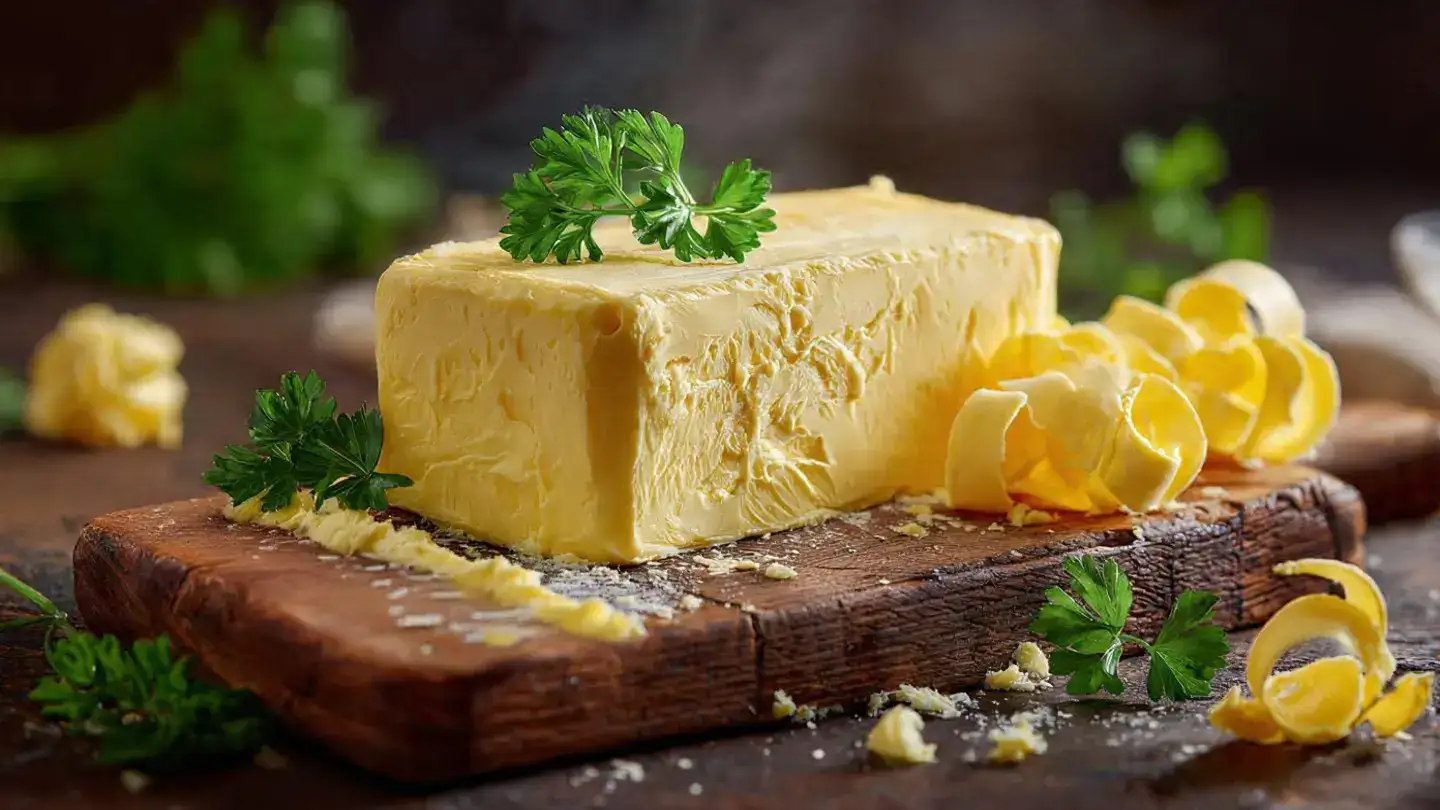
This is one of the key reasons why butter in summer is often discouraged in traditional dietary practices. The body tends to respond better to foods that are lighter and easier to digest, helping maintain balance and comfort throughout the day.
Instead of providing sustained energy, heavy foods may lead to a sense of fatigue, particularly when combined with high temperatures. This is why many summer diet tips emphasise reducing the intake of dense, fatty foods and focusing more on fresh and natural options.
Switching to lighter alternatives not only improves digestion but also helps maintain a sense of freshness. Foods that are high in water content and fibre are generally more suitable for summer conditions.
Incorporating cooling foods India is known for, such as cucumber, yoghurt, and fresh herbs, can make meals more refreshing and easier to digest. These alternatives support hydration and help the body cope with rising temperatures.
Using butter occasionally rather than as a daily staple allows you to enjoy its flavour without overwhelming your system. Combining it with lighter foods can also help balance its impact.
Summer is a time to prioritise hydration, freshness, and simplicity in meals. Adjusting your diet to include more fruits, vegetables, and light preparations can significantly enhance your overall comfort and energy levels.
Choosing what to eat during summer is not about strict rules but about understanding what works best for your body. While butter remains a beloved ingredient, being mindful of its effects during hot weather can help you maintain a more balanced and refreshing approach to eating.
Image Courtesy: Meta AI
Why Butter Feels Heavy In Summer
Butter is known for its rich texture and high fat content. While it provides energy, it also requires more effort from the digestive system to break down. During summer, when metabolism may feel slower due to heat, consuming heavy fats can lead to discomfort, bloating, or a sluggish feeling.This is one of the key reasons why butter in summer is often discouraged in traditional dietary practices. The body tends to respond better to foods that are lighter and easier to digest, helping maintain balance and comfort throughout the day.
Impact Of Saturated Fats On Energy Levels
Butter contains a significant amount of saturated fats. While these fats are not inherently harmful when consumed in moderation, excessive intake, especially in hot weather, can make you feel lethargic.Instead of providing sustained energy, heavy foods may lead to a sense of fatigue, particularly when combined with high temperatures. This is why many summer diet tips emphasise reducing the intake of dense, fatty foods and focusing more on fresh and natural options.
Digestive Challenges In Hot Weather
Heat can affect digestion in subtle ways. Appetite may reduce, and the body may struggle with processing rich foods. Including foods to avoid in summer such as excessive butter, fried items, and overly processed meals can help prevent digestive discomfort.Switching to lighter alternatives not only improves digestion but also helps maintain a sense of freshness. Foods that are high in water content and fibre are generally more suitable for summer conditions.
Better Alternatives For A Healthy Summer Diet
Replacing butter does not mean compromising on taste. There are several healthier options that align well with a healthy summer diet. For instance, using small amounts of cold-pressed oils, curd-based spreads, or plant-based options can provide flavour without heaviness.Incorporating cooling foods India is known for, such as cucumber, yoghurt, and fresh herbs, can make meals more refreshing and easier to digest. These alternatives support hydration and help the body cope with rising temperatures.
Moderation Is Key Not Complete Avoidance
It is important to note that butter does not need to be completely eliminated. Small quantities can still be part of a balanced diet, even in summer. The focus should be on moderation and mindful consumption.Using butter occasionally rather than as a daily staple allows you to enjoy its flavour without overwhelming your system. Combining it with lighter foods can also help balance its impact.
Listening To Your Body During Seasonal Changes
Every individual responds differently to food, and seasonal awareness plays a key role in making the right choices. Paying attention to how your body reacts after consuming certain foods can guide better decisions.Summer is a time to prioritise hydration, freshness, and simplicity in meals. Adjusting your diet to include more fruits, vegetables, and light preparations can significantly enhance your overall comfort and energy levels.
Choosing what to eat during summer is not about strict rules but about understanding what works best for your body. While butter remains a beloved ingredient, being mindful of its effects during hot weather can help you maintain a more balanced and refreshing approach to eating.
Image Courtesy: Meta AI
Next Story