
Why Cardamom Is Called the Queen of Spices

Small in size yet rich in aroma, cardamom has earned the royal title of the “Queen of Spices.” This fragrant pod has been treasured for centuries for its flavour, medicinal value, and cultural importance. While many spices enhance food, cardamom stands apart for its elegance, versatility, and history. Here is why this humble spice continues to wear its crown.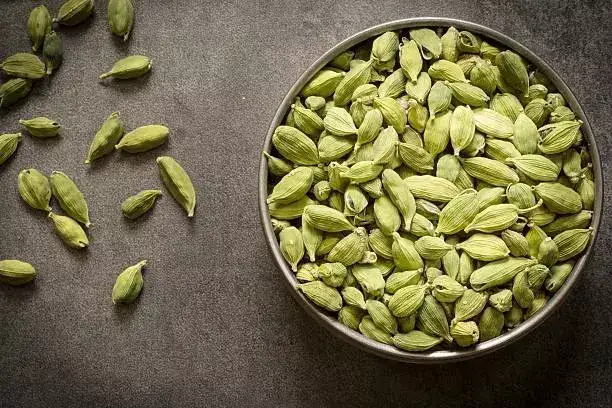
A Fragrance That Rules the Kitchen
One of the biggest reasons cardamom is called the Queen of Spices is its unmistakable aroma. Sweet, floral, and slightly citrusy, its scent can transform an ordinary dish into something extraordinary. Just one crushed pod can infuse tea, desserts, or curries with a warm and luxurious flavour.
Unlike stronger spices that dominate a recipe, cardamom enhances without overpowering. It blends beautifully with cinnamon, cloves, nutmeg, and saffron, making it a key ingredient in many traditional spice mixes.
A Spice Fit for Royalty
Historically, cardamom was considered a luxury item. Ancient traders carried it across continents, and it was prized in royal courts for both culinary and medicinal purposes. Civilisations in regions such as India, Egypt, and Greece valued cardamom for its rich fragrance and healing qualities.
Because it was rare and expensive, it often found its way into royal feasts and special ceremonies, reinforcing its regal reputation.
One of the World’s Most Expensive Spices
Cardamom ranks among the most expensive spices globally, after saffron and vanilla. The reason lies in its cultivation process. The pods must be harvested by hand at just the right stage of ripeness. This careful handling preserves the essential oils that give cardamom its signature flavour.
Major producers today include India and Guatemala, where the spice thrives in humid, tropical climates.
A Health Boost in Every Pod
Cardamom is not just about taste. It has long been used in traditional remedies for digestion and overall wellness. Many people chew on cardamom pods after meals to freshen breath and support gut health.
The spice also contains antioxidants that help protect the body from everyday stress. Though used in small quantities, its benefits add up when included regularly in cooking or beverages.
Versatility That Sets It Apart
Few spices are as adaptable as cardamom. Green cardamom adds sweetness to desserts like kheer and cakes, while black cardamom lends a smoky depth to savoury dishes such as biryani and stews. It is also essential in beverages like masala chai and Middle Eastern coffee.
Its ability to shine in both sweet and savoury recipes makes it truly unique.
A Symbol of Hospitality
In many cultures, especially across South Asia and the Middle East, cardamom represents warmth and welcome. Serving cardamom infused tea or coffee to guests is a gesture of respect and generosity. This cultural significance further strengthens its royal status.
The Crown Remains
Cardamom’s title as the Queen of Spices is not just poetic. It reflects centuries of admiration, global trade, culinary brilliance, and health benefits. From ancient palaces to modern kitchens, this tiny pod continues to reign with elegance.
The next time you add cardamom to your tea or dessert, remember that you are using a spice with a royal legacy and a flavour worthy of its crown.
A Fragrance That Rules the Kitchen
One of the biggest reasons cardamom is called the Queen of Spices is its unmistakable aroma. Sweet, floral, and slightly citrusy, its scent can transform an ordinary dish into something extraordinary. Just one crushed pod can infuse tea, desserts, or curries with a warm and luxurious flavour. Unlike stronger spices that dominate a recipe, cardamom enhances without overpowering. It blends beautifully with cinnamon, cloves, nutmeg, and saffron, making it a key ingredient in many traditional spice mixes.
A Spice Fit for Royalty
Historically, cardamom was considered a luxury item. Ancient traders carried it across continents, and it was prized in royal courts for both culinary and medicinal purposes. Civilisations in regions such as India, Egypt, and Greece valued cardamom for its rich fragrance and healing qualities. Because it was rare and expensive, it often found its way into royal feasts and special ceremonies, reinforcing its regal reputation.
You may also like
- "When world is facing uncertainty, India is busy building bridges of trade": Commerce Minister Piyush Goyal
 "Uttar Pradesh has immense investment potential": Dy CM Brijesh Pathak
- Shikhar Dhawan's ex-wife, Aesha Mukherjee, to return Rs 5.7 crore; here's why the ruling went in his favour and what the case is about
 Four held in Rs 590 crore IDFC First Bank fraud linked to Haryana govt accounts
 Former JNUSU President files complaint against VC over alleged remark on Dalits
One of the World’s Most Expensive Spices
Cardamom ranks among the most expensive spices globally, after saffron and vanilla. The reason lies in its cultivation process. The pods must be harvested by hand at just the right stage of ripeness. This careful handling preserves the essential oils that give cardamom its signature flavour. Major producers today include India and Guatemala, where the spice thrives in humid, tropical climates.
A Health Boost in Every Pod
Cardamom is not just about taste. It has long been used in traditional remedies for digestion and overall wellness. Many people chew on cardamom pods after meals to freshen breath and support gut health. The spice also contains antioxidants that help protect the body from everyday stress. Though used in small quantities, its benefits add up when included regularly in cooking or beverages.
Versatility That Sets It Apart
Few spices are as adaptable as cardamom. Green cardamom adds sweetness to desserts like kheer and cakes, while black cardamom lends a smoky depth to savoury dishes such as biryani and stews. It is also essential in beverages like masala chai and Middle Eastern coffee. Its ability to shine in both sweet and savoury recipes makes it truly unique.
A Symbol of Hospitality
In many cultures, especially across South Asia and the Middle East, cardamom represents warmth and welcome. Serving cardamom infused tea or coffee to guests is a gesture of respect and generosity. This cultural significance further strengthens its royal status. The Crown Remains
Cardamom’s title as the Queen of Spices is not just poetic. It reflects centuries of admiration, global trade, culinary brilliance, and health benefits. From ancient palaces to modern kitchens, this tiny pod continues to reign with elegance. The next time you add cardamom to your tea or dessert, remember that you are using a spice with a royal legacy and a flavour worthy of its crown.






More from our partners


Loving Newspoint? Download the app now
