
Why Cats Love Boxes And How Smart Play Ideas Can Turn Simple Cardboard Into The Perfect Feline Enrichment Zone

Cats have a way of turning the most ordinary household object into their favourite spot, and boxes sit at the top of that list. From hiding quietly inside to pouncing out during play, boxes satisfy several instinctive feline needs at once. They offer safety, warmth, privacy and a perfect launch point for playful ambushes. For indoor cats especially, boxes can become a powerful enrichment tool that supports both physical movement and mental stimulation. Understanding why cats love them can help owners create a happier, less stressed and more active home environment.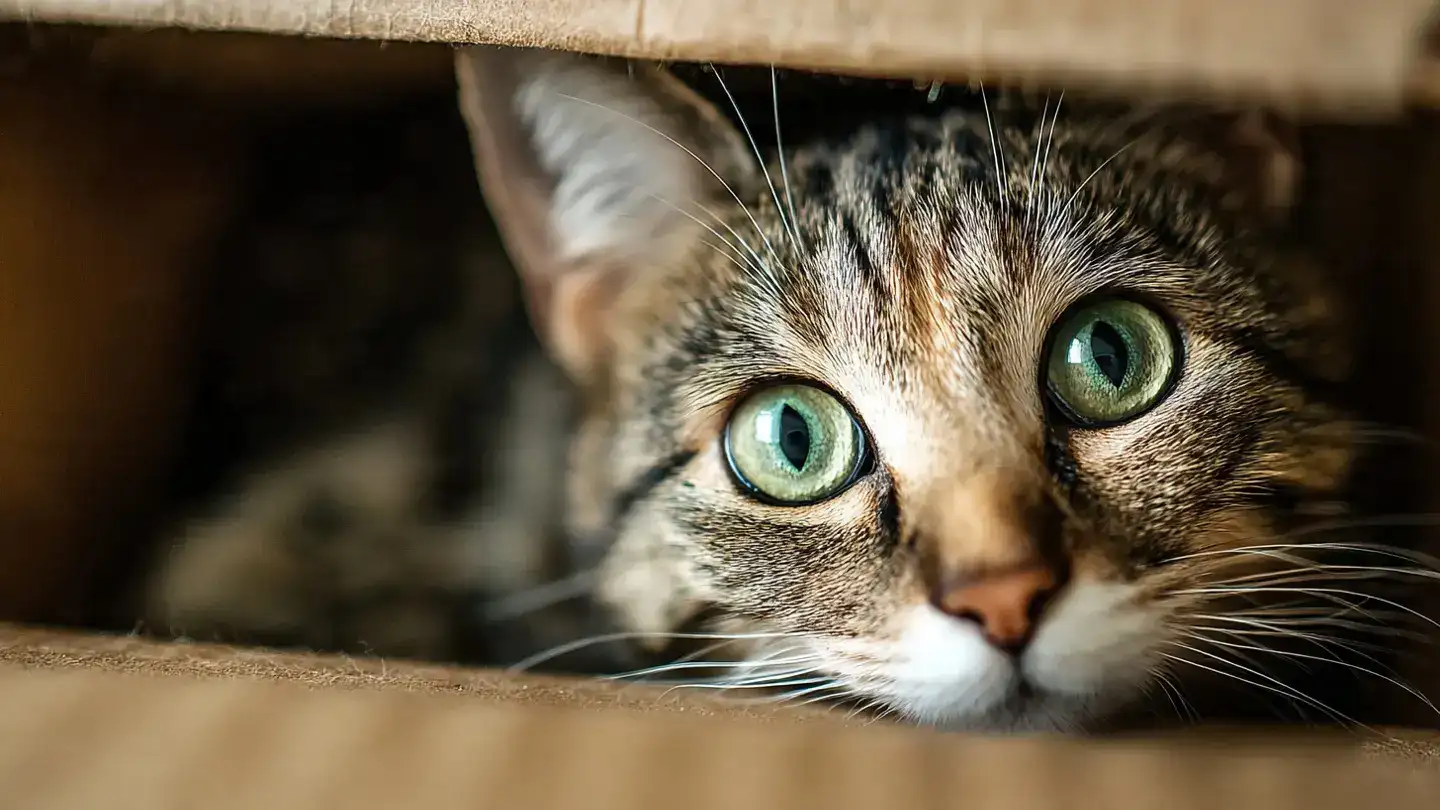
This enclosed structure helps cats relax because they do not need to stay fully alert all the time. In busy households, a box can serve as a private retreat away from noise, children or other pets.
The appeal is especially strong when a cat is entering a new environment. During travel, adoption transitions or home rearrangements, a box can become a familiar comfort zone that lowers anxiety and encourages calm behaviour.
Temperature also plays a role. Cardboard traps warmth effectively, and cats naturally prefer cosy spaces. Since they enjoy resting in slightly warmer conditions than humans, a box often feels like the ideal nap chamber.
Texture matters too. Cardboard offers a scratch-friendly surface, a mild earthy smell and enough softness to feel inviting without losing shape. These small sensory details make the experience even more rewarding.
Cut small windows into the sides and dangle a feather toy or string outside the opening. This instantly creates a hunting challenge that mimics prey movement.
You can also place multiple boxes in a short tunnel path. Cats love moving through hidden routes, crouching low and leaping between spaces. This encourages exercise while keeping the activity mentally stimulating.
For kittens and energetic adult cats, stacking boxes at different heights can create climbing and jumping opportunities. This supports agility and prevents boredom, especially for indoor cats with limited vertical space.
Hide treats inside a box with crumpled paper so your cat has to sniff and dig for rewards. This activates natural foraging instincts and slows down treat consumption.
Another fun idea is the “peek-and-pounce” game. Cut two or three paw-sized holes in the top of the box and move a toy beneath it. Cats love reaching through the holes to catch invisible movement.
Rotating box setups every few days can also keep interest high. Changing the position, size or entry direction makes the space feel new again and supports ongoing feline mental stimulation .
Remove staples, tape, plastic labels and any sharp edges before giving a box to your cat. These can become chewing hazards.
Avoid heavily inked or chemically treated cardboard, especially if your cat likes biting corners.
Choose a size that allows easy turning and jumping without getting stuck. Older cats may prefer lower entry points, while kittens often enjoy more complex layouts.
Replace worn-out boxes regularly if they become soggy, torn or unstable.
For shy cats, boxes can improve comfort and reduce stress. For playful cats, they become hunting arenas. For older cats, they provide warmth and gentle security.
The next time a package arrives, think twice before throwing the box away. In your cat’s world, that simple piece of cardboard may be the most exciting and comforting gift of the day.
Image Courtesy: Meta AI
Why Cats Naturally Feel Safe In Boxes
Cats are both predators and prey by instinct, which means they constantly seek places where they can observe their surroundings while staying protected. A box creates the perfect enclosed shelter. Its walls give a cat a sense of security and reduce exposure from multiple angles.This enclosed structure helps cats relax because they do not need to stay fully alert all the time. In busy households, a box can serve as a private retreat away from noise, children or other pets.
The appeal is especially strong when a cat is entering a new environment. During travel, adoption transitions or home rearrangements, a box can become a familiar comfort zone that lowers anxiety and encourages calm behaviour.
The Hidden Science Behind Box Obsession
Feline experts often link box-loving behaviour to stress management and environmental control. Cats prefer spaces where they can manage visibility and movement. A box allows them to hide, peek and decide when to engage.Temperature also plays a role. Cardboard traps warmth effectively, and cats naturally prefer cosy spaces. Since they enjoy resting in slightly warmer conditions than humans, a box often feels like the ideal nap chamber.
Texture matters too. Cardboard offers a scratch-friendly surface, a mild earthy smell and enough softness to feel inviting without losing shape. These small sensory details make the experience even more rewarding.
How Boxes Support Healthy Indoor Play
One of the easiest ways to improve cat enrichment ideas at home is by turning spare boxes into play stations. Cats enjoy surprise, movement and the thrill of stalking. A box supports all three.Cut small windows into the sides and dangle a feather toy or string outside the opening. This instantly creates a hunting challenge that mimics prey movement.
You can also place multiple boxes in a short tunnel path. Cats love moving through hidden routes, crouching low and leaping between spaces. This encourages exercise while keeping the activity mentally stimulating.
For kittens and energetic adult cats, stacking boxes at different heights can create climbing and jumping opportunities. This supports agility and prevents boredom, especially for indoor cats with limited vertical space.
Smart Box Games Every Cat Owner Can Try
Simple games work best because cats often enjoy imagination more than expensive toys.Hide treats inside a box with crumpled paper so your cat has to sniff and dig for rewards. This activates natural foraging instincts and slows down treat consumption.
Another fun idea is the “peek-and-pounce” game. Cut two or three paw-sized holes in the top of the box and move a toy beneath it. Cats love reaching through the holes to catch invisible movement.
Rotating box setups every few days can also keep interest high. Changing the position, size or entry direction makes the space feel new again and supports ongoing feline mental stimulation .
Safety Tips Before Using Boxes For Play
While boxes are excellent for pet care tips and enrichment, a few precautions matter.Remove staples, tape, plastic labels and any sharp edges before giving a box to your cat. These can become chewing hazards.
Avoid heavily inked or chemically treated cardboard, especially if your cat likes biting corners.
Choose a size that allows easy turning and jumping without getting stuck. Older cats may prefer lower entry points, while kittens often enjoy more complex layouts.
Replace worn-out boxes regularly if they become soggy, torn or unstable.
Why Boxes Are More Than Just A Toy
The beauty of a cardboard box lies in its versatility. It is a bed, a playground, a hiding den and a confidence-building space all in one.For shy cats, boxes can improve comfort and reduce stress. For playful cats, they become hunting arenas. For older cats, they provide warmth and gentle security.
The next time a package arrives, think twice before throwing the box away. In your cat’s world, that simple piece of cardboard may be the most exciting and comforting gift of the day.
Image Courtesy: Meta AI
Next Story