
Why Coral Reefs Matter For Oceans And The Future Of Marine Life And Coastal Communities

From Ocean Health To Coastal Safety, Why Coral Reefs Are Vital For Life On Earth: Coral reefs are often described as the rainforests of the sea, and for good reason. Despite covering a small fraction of the ocean floor, they support an extraordinary diversity of marine life and play a crucial role in maintaining ocean health. These vibrant ecosystems are not only visually stunning but also essential for ecological balance, coastal protection and economic activity. However, increasing environmental pressures have placed coral reefs under serious threat. Understanding why they matter is the first step towards protecting them for future generations.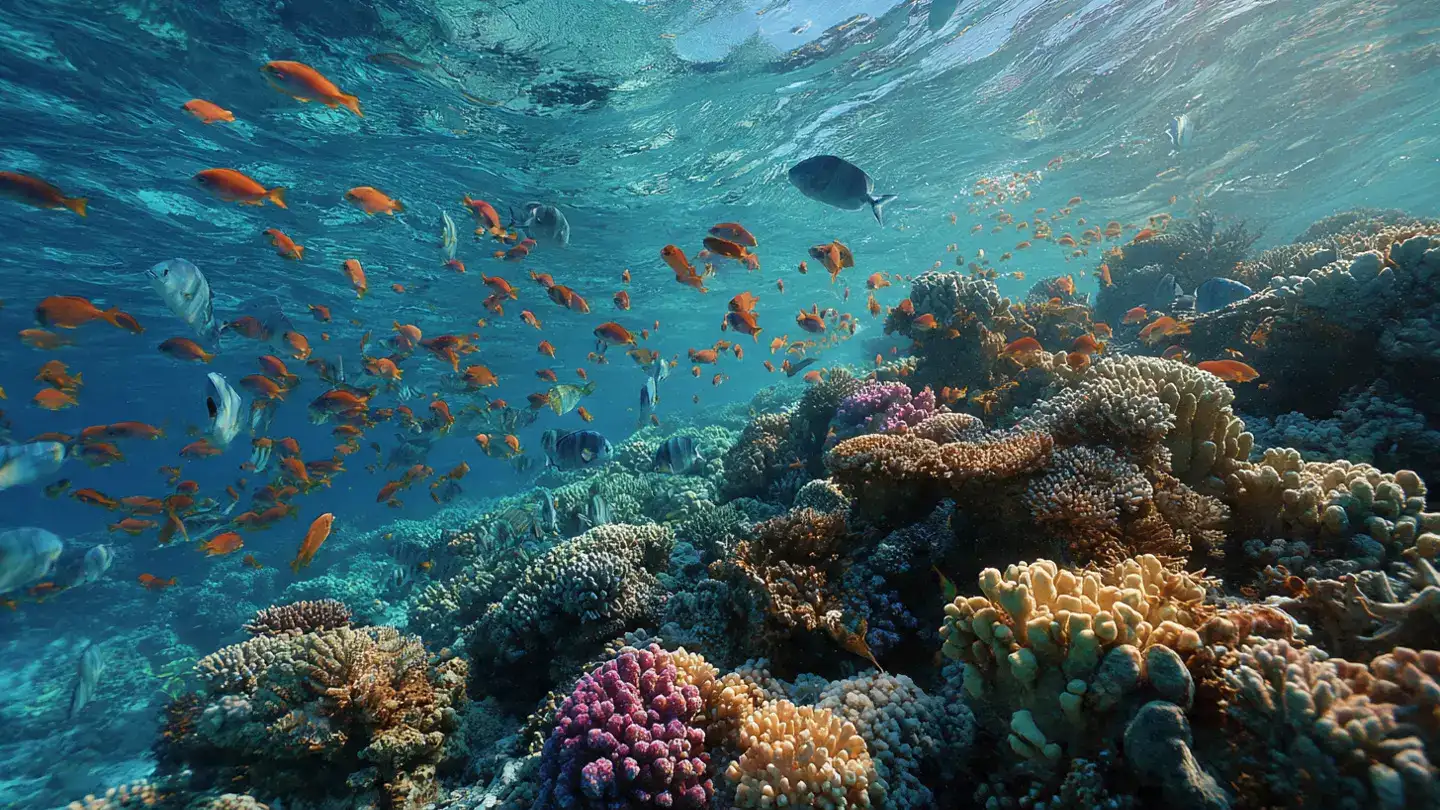
This rich biodiversity makes reefs one of the most productive ecosystems on the planet. Without coral reefs, many marine species would struggle to survive, leading to a significant imbalance in ocean ecosystems. Protecting reefs is therefore essential for maintaining ocean biodiversity conservation .
This protection is especially valuable for communities living near shorelines, as it helps prevent erosion and reduces damage from extreme weather events. In many regions, coral reefs are the first line of defence against rising sea levels and storm surges.
Healthy coral reef ecosystems ensure a steady supply of seafood, which is a major source of protein for many coastal populations. The decline of coral reefs can directly affect food security and livelihoods, making their conservation even more critical.
This economic contribution supports local businesses and communities. The loss of coral reefs would not only harm marine life but also impact industries that depend on them.
However, climate change poses a serious threat to reefs through rising sea temperatures and ocean acidification. These factors can lead to coral bleaching, which weakens and sometimes kills coral colonies.
Conversely, declining reefs signal environmental stress, such as pollution or climate change. Monitoring coral reefs helps scientists understand broader changes in marine ecosystems and take necessary action.
Climate change remains one of the biggest threats, causing rising temperatures and ocean acidification. Coral bleaching events have become more frequent, putting entire reef systems at risk.
Addressing these challenges requires global cooperation and sustainable practices to protect marine ecosystems.
Raising awareness about the importance of coral reefs encourages responsible behaviour and long-term commitment to protecting these ecosystems. Even small actions can contribute to preserving ocean biodiversity.
Coral reefs are far more than beautiful underwater landscapes. They are essential to marine life, coastal protection and human survival. Their role in supporting biodiversity, regulating ecosystems and sustaining livelihoods makes them invaluable to the planet. As threats continue to grow, protecting coral reefs is no longer optional but necessary. By understanding their importance and taking action, we can help ensure that these vital ecosystems continue to thrive for generations to come.
Image Courtesy: Meta AI
A Hub Of Marine Biodiversity
Coral reefs are home to a vast array of marine species, including fish, molluscs, crustaceans and many other organisms. They provide shelter, breeding grounds and feeding areas for countless species.This rich biodiversity makes reefs one of the most productive ecosystems on the planet. Without coral reefs, many marine species would struggle to survive, leading to a significant imbalance in ocean ecosystems. Protecting reefs is therefore essential for maintaining ocean biodiversity conservation .
Natural Barriers That Protect Coastlines
One of the most important functions of coral reefs is their ability to act as natural barriers. They absorb the energy of waves, storms and currents, reducing the impact on coastal areas.This protection is especially valuable for communities living near shorelines, as it helps prevent erosion and reduces damage from extreme weather events. In many regions, coral reefs are the first line of defence against rising sea levels and storm surges.
Supporting Fisheries And Food Security
Millions of people around the world depend on coral reefs for food and income. Reefs support fisheries by providing habitats where fish can grow and reproduce.Healthy coral reef ecosystems ensure a steady supply of seafood, which is a major source of protein for many coastal populations. The decline of coral reefs can directly affect food security and livelihoods, making their conservation even more critical.
Contribution To The Global Economy
Coral reefs play a significant role in the global economy, particularly through tourism and fisheries. Many popular travel destinations rely on reefs to attract visitors interested in snorkelling, diving and marine exploration.This economic contribution supports local businesses and communities. The loss of coral reefs would not only harm marine life but also impact industries that depend on them.
Role In Climate Regulation
Coral reefs are closely linked to climate systems. They help regulate carbon and nutrient cycles within marine environments. Although they are sensitive to temperature changes, their presence supports a balanced ecosystem that contributes to overall ocean health.However, climate change poses a serious threat to reefs through rising sea temperatures and ocean acidification. These factors can lead to coral bleaching, which weakens and sometimes kills coral colonies.
Indicators Of Ocean Health
Coral reefs act as important indicators of the overall health of oceans. When reefs are thriving, it often means the surrounding marine environment is stable and healthy.Conversely, declining reefs signal environmental stress, such as pollution or climate change. Monitoring coral reefs helps scientists understand broader changes in marine ecosystems and take necessary action.
Threats Facing Coral Reefs Today
Coral reefs are under increasing pressure from human activities and environmental changes. Pollution, overfishing and destructive fishing practices damage reef structures and reduce biodiversity.Climate change remains one of the biggest threats, causing rising temperatures and ocean acidification. Coral bleaching events have become more frequent, putting entire reef systems at risk.
Addressing these challenges requires global cooperation and sustainable practices to protect marine ecosystems.
The Importance Of Conservation Efforts
Protecting coral reefs requires a combination of local and global efforts. Sustainable fishing, reducing pollution and supporting conservation programmes are key steps.Raising awareness about the importance of coral reefs encourages responsible behaviour and long-term commitment to protecting these ecosystems. Even small actions can contribute to preserving ocean biodiversity.
Coral reefs are far more than beautiful underwater landscapes. They are essential to marine life, coastal protection and human survival. Their role in supporting biodiversity, regulating ecosystems and sustaining livelihoods makes them invaluable to the planet. As threats continue to grow, protecting coral reefs is no longer optional but necessary. By understanding their importance and taking action, we can help ensure that these vital ecosystems continue to thrive for generations to come.
Image Courtesy: Meta AI
Next Story