
Why Do Biscuits Have Holes? The Simple Science Behind It

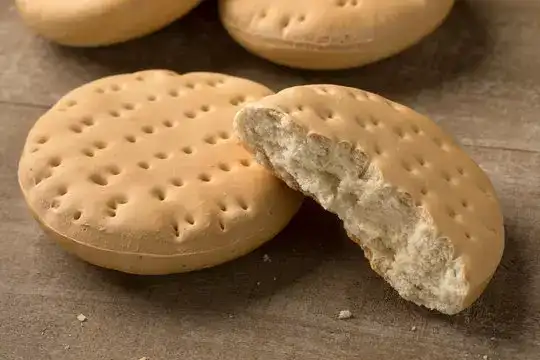
Biscuits are among the most loved snacks, enjoyed by kids and adults alike. Whether it’s paired with a hot cup of tea, packed in a lunchbox, or grabbed during sudden hunger pangs, biscuits are often the first choice. But while munching on your favourite biscuit, have you ever wondered why most of them have tiny, evenly spaced holes?
Many people assume these holes are added purely for decoration. In reality, they play a crucial role in how biscuits are made and baked.
Biscuits begin as a simple dough made from flour, sugar, butter, water, and other ingredients. When this dough goes into a hot oven, heat causes moisture inside to turn into steam. At the same time, air trapped in the dough expands.
If this steam and air have nowhere to escape, the biscuit can puff up unevenly, crack on the surface, or even lose its shape. This can affect both the texture and appearance of the final product.
Why Manufacturers Add Tiny Holes
To solve this problem, biscuit makers punch small holes into the dough before baking. These are called docking holes. Their main job is to let steam and air escape in a controlled way during baking.
By releasing pressure, these holes help biscuits bake evenly from the inside out. This is especially important for plain, salted, and cream biscuits that need a crisp, uniform texture rather than a soft or puffy one.
Keeping Shape, Crunch, and Consistency
Docking holes also help biscuits maintain their shape and thickness under high oven temperatures. They prevent bending, warping, or blistering, which is why biscuits look neat, flat, and consistent on store shelves.
In large-scale production, this consistency is key. The holes ensure that every biscuit in a packet looks and tastes the same.
Why Some Biscuits Don’t Have Holes
Not all biscuits need docking holes. Soft, cake-like, or chewy sweet biscuits are baked using different techniques and textures, so steam release isn’t as much of an issue. Some sweet biscuits may still have holes, depending on the recipe and baking style.
So, the next time you enjoy a biscuit, remember that those tiny holes are not just for show—they’re a smart bit of food science that helps deliver the perfect crunch every time.
Many people assume these holes are added purely for decoration. In reality, they play a crucial role in how biscuits are made and baked.
What Happens Inside the Oven
Biscuits begin as a simple dough made from flour, sugar, butter, water, and other ingredients. When this dough goes into a hot oven, heat causes moisture inside to turn into steam. At the same time, air trapped in the dough expands.
If this steam and air have nowhere to escape, the biscuit can puff up unevenly, crack on the surface, or even lose its shape. This can affect both the texture and appearance of the final product.
Why Manufacturers Add Tiny Holes
To solve this problem, biscuit makers punch small holes into the dough before baking. These are called docking holes. Their main job is to let steam and air escape in a controlled way during baking. By releasing pressure, these holes help biscuits bake evenly from the inside out. This is especially important for plain, salted, and cream biscuits that need a crisp, uniform texture rather than a soft or puffy one.
You may also like
- Revenue officer among five found shot dead inside locked house in UP's Saharanpur
- 'TINA: There Is No Accountability': Lok Sabha LoP Rahul Gandhi slams BJP govt on Noida techie death case
 Pappu Yadav to approach HC seeking CBI enquiry into NEET aspirant's death in Patna girls' hostel
- Skoda Kushaq 2026 facelift: Check expected price, changes to exterior, cabin features, variants and more
 Nitin Nabin takes charge as BJP National President
Keeping Shape, Crunch, and Consistency
Docking holes also help biscuits maintain their shape and thickness under high oven temperatures. They prevent bending, warping, or blistering, which is why biscuits look neat, flat, and consistent on store shelves.
In large-scale production, this consistency is key. The holes ensure that every biscuit in a packet looks and tastes the same.
Why Some Biscuits Don’t Have Holes
Not all biscuits need docking holes. Soft, cake-like, or chewy sweet biscuits are baked using different techniques and textures, so steam release isn’t as much of an issue. Some sweet biscuits may still have holes, depending on the recipe and baking style.So, the next time you enjoy a biscuit, remember that those tiny holes are not just for show—they’re a smart bit of food science that helps deliver the perfect crunch every time.






More from our partners


Loving Newspoint? Download the app now
