
Why Do PCOS Symptoms Appear After Delivery


Many women assume that pregnancy permanently corrects Polycystic Ovary Syndrome (PCOS), only to face the unexpected return of symptoms after childbirth. In reality, PCOS often continues to affect women during the postpartum period as the body undergoes hormonal and metabolic changes. Furthermore, weight fluctuations, sleep disruption, emotional stress, and reduced physical activity may influence the condition.
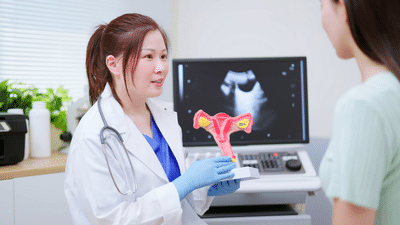
However, early diagnosis and medical care play a critical role in protecting long-term hormonal, metabolic, and reproductive health after pregnancy. Let’s discuss the common pregnancy, what factors influence PCOS, and essential tips to manage PCOS after pregnancy to maintain your overall hormonal and reproductive health.
What are the Common Symptoms of PCOS After Pregnancy?After pregnancy, hormonal and metabolic changes can alter how PCOS affects the body, leading to a range of physical and emotional symptoms. Here are a few of the common ones
What Causes PCOS After Pregnancy?After childbirth, physical and lifestyle-related factors actively shape how Polycystic Ovary Syndrome behaves and progresses. When women do not address these changes on time, PCOS symptoms often return or worsen during the postpartum period.
Hormonal Readjustment
How to Effectively Manage PCOS After Pregnancy?After pregnancy, women must follow a structured and realistic care plan that supports recovery while fitting into daily life with a newborn. Here’s how women can regain hormonal balance and manage PCOS effectively.
Balanced Nutrition
Stress Control
Note: Remember that each woman’s post-pregnancy recovery and PCOS condition is different. Always consult a qualified gynaecologist before making changes to diet, exercise, medication, or treatment plans.
What to Do Next?
Whether you’re pregnant, a new mom, or navigating postpartum, you don’t have to do it alone. Join our support group to connect, share, and support one another.
FAQs on Why Do PCOS Symptoms Appear After Delivery
Does pregnancy cure PCOS?
No. Pregnancy may temporarily balance hormones, but PCOS can return after delivery. Can PCOS affect breastfeeding?
Some women may face milk supply issues due to hormonal imbalance, but many breastfeed successfully with support.
However, early diagnosis and medical care play a critical role in protecting long-term hormonal, metabolic, and reproductive health after pregnancy. Let’s discuss the common pregnancy, what factors influence PCOS, and essential tips to manage PCOS after pregnancy to maintain your overall hormonal and reproductive health.
What are the Common Symptoms of PCOS After Pregnancy?After pregnancy, hormonal and metabolic changes can alter how PCOS affects the body, leading to a range of physical and emotional symptoms. Here are a few of the common ones
- Irregular or delayed menstrual cycles
- Difficulty losing pregnancy weight
- Acne and skin pigmentation
- Hair thinning or excess hair growth
- Fatigue and low energy
- Mood changes and emotional stress
- Sugar cravings and increased appetite
What Causes PCOS After Pregnancy?After childbirth, physical and lifestyle-related factors actively shape how Polycystic Ovary Syndrome behaves and progresses. When women do not address these changes on time, PCOS symptoms often return or worsen during the postpartum period.
Hormonal Readjustment
- After delivery, the body rapidly reduces oestrogen and progesterone production as it shifts from pregnancy to recovery and, in some cases, breastfeeding. Such a sudden hormonal drop directly disturbs ovulation and menstrual regulation. Consequently, many women experience the return of irregular cycles, acne, hair fall, and other PCOS-related symptoms.
- Many women retain some pregnancy weight due to reduced physical activity, fatigue, and lifestyle adjustments after childbirth. Furthermore, increased body fat actively worsens insulin resistance and strengthens the hormone imbalance linked to PCOS. Thus, the weight retention often makes cycle regulation more difficult and increases the risk of long-term metabolic complications.
- Pregnancy naturally raises insulin resistance to support foetal growth. When this insulin response persists after delivery, it increases blood sugar levels and directly worsens PCOS-related problems such as weight gain, irregular periods, and fatigue. Furthermore, it raises the long-term risk of type 2 diabetes, making early metabolic monitoring essential after pregnancy.
- Newborn care frequently disrupts sleep patterns and increases emotional and physical stress. High and prolonged stress levels raise stress hormones, which actively interfere with reproductive hormone balance and slow postpartum recovery. Furthermore, sleep deprivation weakens insulin control and energy regulation.
How to Effectively Manage PCOS After Pregnancy?After pregnancy, women must follow a structured and realistic care plan that supports recovery while fitting into daily life with a newborn. Here’s how women can regain hormonal balance and manage PCOS effectively.
Balanced Nutrition
- Women must follow a low-glycaemic, high-fibre diet that includes enough protein and healthy fats. Sticking to such a diet helps control blood sugar levels, supports gradual and safe weight loss, and improves hormone balance. Furthermore, consuming fresh vegetables, fruits, whole grains, lean proteins, and healthy oils provides steady energy and reduces PCOS symptoms.
- Women should start with gentle and safe exercises such as walking, postnatal yoga, and light strength training. These activities improve insulin sensitivity, support slow and steady weight loss, and boost energy levels. Furthermore, practising regular movement improves mood, strengthens muscles, and supports overall recovery after delivery.
- Women must actively manage stress during the postpartum period. Breathing exercises, relaxation routines, emotional support from family, and planned rest help control stress hormones. When stress levels stay balanced, the body responds better to hormone regulation, sleep improves, and emotional health remains stable.
- Doctors may recommend hormone testing, blood sugar monitoring, cycle regulation treatment, or insulin-support medicines when needed. Regular medical follow-up helps detect problems early and allows timely treatment. Furthermore, regular medical consultation is necessary to prevent long-term PCOS complications after pregnancy.
- Quality sleep supports hormone repair, blood sugar control, and energy recovery. Women should rest whenever possible and accept help with newborn care to avoid extreme tiredness. Furthermore, proper rest improves mood, strengthens the immune system, and helps the body heal faster after pregnancy.
Note: Remember that each woman’s post-pregnancy recovery and PCOS condition is different. Always consult a qualified gynaecologist before making changes to diet, exercise, medication, or treatment plans.
What to Do Next?
- Track your menstrual cycles, weight, energy levels, and any returning PCOS symptoms.
- Follow a balanced post-pregnancy meal plan that supports blood sugar control and gradual weight loss.
- Practice daily stress control through breathing exercises, rest breaks, and emotional support.
- Resume safe physical activity slowly, as advised by your healthcare provider.
- Schedule regular follow-up visits for hormone and blood sugar monitoring.
- Seek early medical advice if you plan another pregnancy or notice worsening symptoms.
Whether you’re pregnant, a new mom, or navigating postpartum, you don’t have to do it alone. Join our support group to connect, share, and support one another.
FAQs on Why Do PCOS Symptoms Appear After Delivery
No. Pregnancy may temporarily balance hormones, but PCOS can return after delivery.
Some women may face milk supply issues due to hormonal imbalance, but many breastfeed successfully with support.
Next Story