
Why Do Squirrels Smell Like Snakes to Avoid Predators?

In the natural world, survival is not always about being the fastest or the strongest. Often, it comes down to smart and unexpected strategies. One of the most fascinating examples of this can be seen in ground squirrels, which have developed a clever way to protect themselves by smelling like their predators.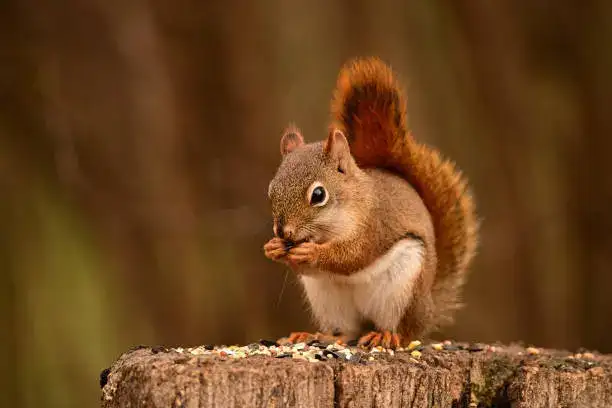
Instead of relying only on speed to escape danger, these small mammals use a technique known as chemical camouflage. By masking their own scent and taking on the smell of snakes, they reduce the chances of being noticed or attacked. This unusual behaviour shows just how creative survival strategies in nature can be.
In the case of squirrels, this goes beyond simply hiding their smell. They actively apply the scent of another species to their bodies. This method, sometimes called scent borrowing, changes how predators perceive them and adds an extra layer of protection.
There are several reasons behind this behaviour. First, it helps hide their natural scent, making it harder for predators to locate them, especially when they are resting in burrows. Second, it may confuse snakes into thinking they are not prey, which can cause hesitation and reduce the chance of an attack. This method is particularly useful for young squirrels and females, who are more vulnerable.
After that, they lick their fur and spread the scent across their bodies. In some cases, they can even collect snake odour from the soil or surrounding surfaces without directly using shed skin.
Studies have shown that snakes respond differently to this altered scent. They are more attracted to the natural smell of squirrels than to a mix of squirrel and snake scent. This suggests that chemical camouflage helps reduce the likelihood of detection.
For example, they can wave their tails to send heat signals that snakes can detect, essentially warning them that they have been spotted. They are also able to judge the level of danger by listening to the sounds snakes make. Some squirrels even show a degree of resistance to snake venom, which improves their chances of survival during an encounter.
This behaviour highlights the ongoing evolutionary battle between predators and prey. As snakes develop ways to hunt more effectively, squirrels respond with new strategies to avoid being caught. It is a constant process of adaptation on both sides.
This is a powerful reminder that in nature, intelligence and adaptability often matter more than size or strength. Sometimes, the smartest solution is not to fight or flee, but to blend in in a completely unexpected way.
Instead of relying only on speed to escape danger, these small mammals use a technique known as chemical camouflage. By masking their own scent and taking on the smell of snakes, they reduce the chances of being noticed or attacked. This unusual behaviour shows just how creative survival strategies in nature can be.
What is chemical camouflage
When we think of camouflage, we usually imagine animals blending into their surroundings with colours or patterns. Chemical camouflage works on a completely different level. It involves altering or hiding scent so that predators cannot easily detect or identify their prey.In the case of squirrels, this goes beyond simply hiding their smell. They actively apply the scent of another species to their bodies. This method, sometimes called scent borrowing, changes how predators perceive them and adds an extra layer of protection.
Why squirrels use snake scent
Certain species such as the California ground squirrel and rock squirrels have been observed using the scent of rattlesnake as a defensive tool.There are several reasons behind this behaviour. First, it helps hide their natural scent, making it harder for predators to locate them, especially when they are resting in burrows. Second, it may confuse snakes into thinking they are not prey, which can cause hesitation and reduce the chance of an attack. This method is particularly useful for young squirrels and females, who are more vulnerable.
How the behaviour works in practice
The process is simple but effective. Squirrels search for shed snake skins or areas where snakes have recently been. They then chew on the material to release scent compounds.After that, they lick their fur and spread the scent across their bodies. In some cases, they can even collect snake odour from the soil or surrounding surfaces without directly using shed skin.
Studies have shown that snakes respond differently to this altered scent. They are more attracted to the natural smell of squirrels than to a mix of squirrel and snake scent. This suggests that chemical camouflage helps reduce the likelihood of detection.
Part of a larger survival toolkit
This scent-based trick is just one of several strategies ground squirrels use to deal with predators. Over time, they have developed a range of defensive behaviours.For example, they can wave their tails to send heat signals that snakes can detect, essentially warning them that they have been spotted. They are also able to judge the level of danger by listening to the sounds snakes make. Some squirrels even show a degree of resistance to snake venom, which improves their chances of survival during an encounter.
What this reveals about evolution
The idea of a prey animal copying the scent of its predator challenges the usual understanding of camouflage. It shows that survival is not only about hiding but also about deception.This behaviour highlights the ongoing evolutionary battle between predators and prey. As snakes develop ways to hunt more effectively, squirrels respond with new strategies to avoid being caught. It is a constant process of adaptation on both sides.
A clever survival lesson from nature
At first glance, squirrels may seem like simple creatures, but their behaviour tells a much deeper story. By using chemical camouflage, they turn a predator’s own scent into a tool for protection.This is a powerful reminder that in nature, intelligence and adaptability often matter more than size or strength. Sometimes, the smartest solution is not to fight or flee, but to blend in in a completely unexpected way.
Next Story